When you’ve been lonely for a long time, it stops feeling like a phase and starts feeling like your baseline.

It doesn’t always feel properly sad or overwhelming, either. A lot of times, it just settles in quietly, subtly affecting the way you feel and operate on a daily basis. You stop expecting closeness. You adjust your standards. And even if you’re surrounded by people, something still feels missing. Here’s what it often feels like when loneliness becomes your version of normal, even if you rarely say it out loud.
You stop reaching out because you assume no one will respond.

After enough unanswered texts or flaky replies, you start to pull back. Not in a dramatic “I’m done with everyone” kind of way; it’s more like a quiet retreat. You figure, what’s the point? It’s easier not to try than to feel let down again. So, you go longer between messages, stop sending memes or updates, and convince yourself you prefer the silence. Deep down, though, it’s not comfort, it’s protection. You’re just tired of always being the one who cares more.
You laugh things off instead of saying how you actually feel.

You’ve trained yourself to keep things light. You joke when something hurts, play it cool when someone forgets you, and tell people you’re “fine” even when you’re not. Vulnerability starts to feel risky, or pointless. It’s not that you don’t want to open up. You just don’t believe anyone would stick around for the mess. So you package your loneliness in humour, hoping it’s easier for people to digest, or ignore.
You downplay your milestones because there’s no one to share them with.

You hit a personal win—finish something, fix something, survive something—and it should feel good. However, for you, it’s followed by a weird emptiness. There’s no text to send, no one to high-five, no real moment of celebration. So, you shrug it off like it wasn’t a big deal. Not because it wasn’t, but because it hurts more to care about something when no one else seems to. You learn to act like your victories don’t matter, just to make the silence sting less.
You start second-guessing your likeability.
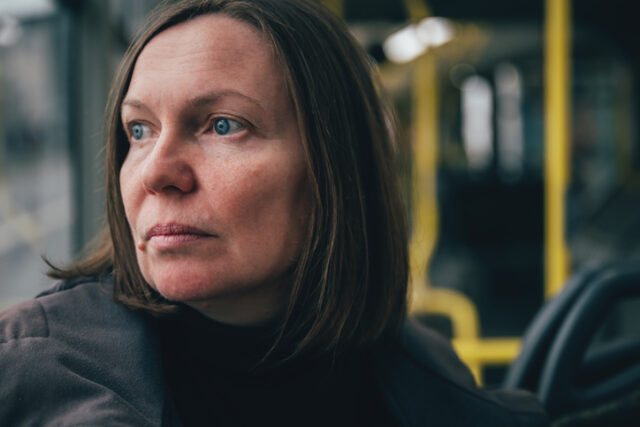
Even if you know you’re kind, funny, and interesting, loneliness makes you question whether other people see that. You start wondering if there’s something wrong with you. Are you too much? Too quiet? Too weird? The self-doubt creeps in slowly, and it can be hard to shake. You know deep down you have value, but it gets harder to feel it when you go long stretches without genuine connection.
You feel lonelier in a group than when you’re alone.

Being around people doesn’t always fix the feeling. In fact, it can make it worse. When everyone’s chatting, laughing, bonding, and you still feel disconnected, it hits harder than any solo night in. It’s not that you’re antisocial. You just feel like you’re on the outside looking in. Like you’re there, but not really seen. Present, but not included. That sort of loneliness is uniquely heavy.
You rely heavily on distractions to get through the day.

You keep busy. Scroll, clean, binge, nap, repeat—anything to avoid sitting in the stillness where the loneliness gets loud. Sometimes you’re not even aware you’re doing it. That’s because it’s just part of the routine now. Silence becomes something you manage, not enjoy. You’re constantly buffering yourself from the quiet moments that make you feel the full weight of how disconnected you actually feel.
You expect plans to fall through, even when people mean well.

Someone says, “We should hang out!” and you smile, nod, and assume nothing will happen. You’ve heard it before. Even when people have good intentions, they rarely follow through, and you’ve stopped getting your hopes up. It’s not bitterness. It’s just learned experience. You’d rather stay guarded than feel that familiar pang of being let down one more time.
You don’t know how to let people in, even when you want to.
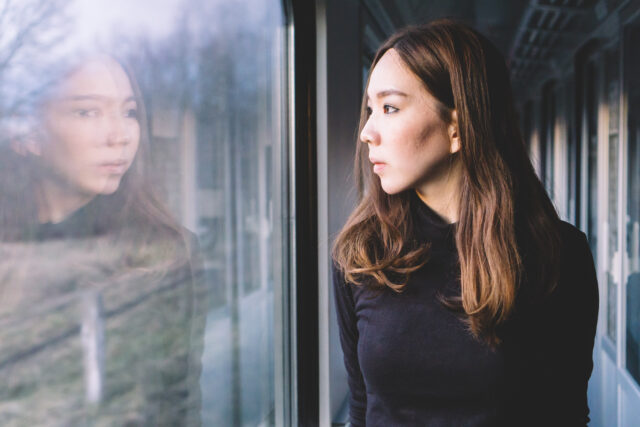
After so much time alone, closeness feels unfamiliar. Even when someone genuinely shows up, part of you keeps a wall up—not out of meanness, but habit. You want connection, but it’s hard to move out of survival mode. Trust doesn’t come quickly. Sometimes, you don’t know how to be fully seen without feeling exposed or awkward. You crave connection, but it feels like trying to speak a language you haven’t used in years.
You get overly attached to small interactions.

A barista remembers your name, a neighbour says hi, someone messages you first, and suddenly, you’re clinging to that moment like it means more than it probably does. Because sometimes, it’s all you’ve got. It’s not that you’re needy. You’re just starved for connection. So the tiniest bit of warmth can feel huge, even if it fades quickly.
You start believing you’re easier to love from a distance.

Whether it’s because you’ve been ghosted, overlooked, or left mid-conversation too many times, you start assuming people like the version of you that’s edited, filtered, or kept at arm’s length. The real you—messy, moody, complicated—starts to feel like too much for anyone to handle. So you keep your full self tucked away, even when someone tries to get close.
You’ve stopped expecting people to check in.

Birthdays pass quietly. Big days, hard days, they’re all the same. You’ve learned not to expect anyone to ask how you are, so when someone does, it almost catches you off guard. You don’t even know what to say. Instead of reaching out, you bottle it up. It’s not that you don’t want support. You’ve just stopped believing it’s coming. So you keep it all in and tell yourself you’re fine, even when you’re not.
You constantly weigh how much space you’re allowed to take up.

You apologise more. You hesitate before sharing your opinions. You keep your needs small and your voice quieter. Because somewhere along the way, loneliness taught you that being too much pushes people away. You’ve started to believe that keeping people around means keeping parts of yourself hidden. So you shrink, thinking it’ll help, even though deep down, you know it’s making you lonelier.
You pretend you’re used to it because you are.

You joke about being a lone wolf or say you “prefer solitude,” even if that’s not the whole truth. It’s easier than admitting how much you crave real closeness. You’ve adapted, and that’s what hurts most—how normal it’s all started to feel. You’re functioning. You get through your days. But there’s an ache that lingers, and sometimes you wonder if you’ve forgotten how to actually feel close to people. Not because you don’t care, but because you’re so used to being on your own.