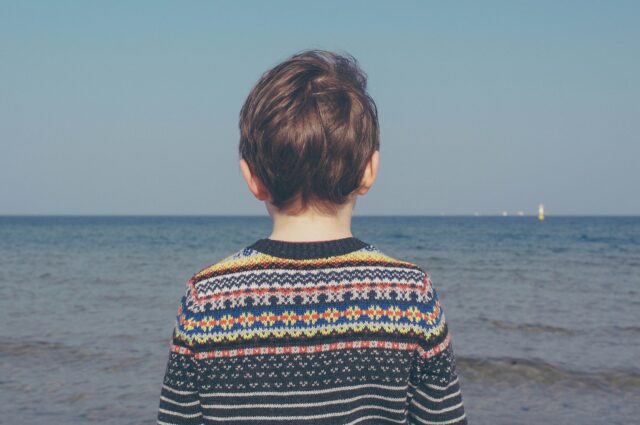
When a child seems quiet, distant, or unusually self-contained, people often chalk it up to being shy or introverted.

That can be true, but sometimes that withdrawal tells a much deeper story. Kids who pull away emotionally or socially aren’t always doing it by choice—they’re often adapting to environments where being open didn’t feel safe. Whether the signs are subtle or more obvious, that tendency to retreat can be a response to past hurt, overwhelm, or survival habits they haven’t yet outgrown. Here are some common reasons this happens, and what it might mean for their mental and emotional health.
1. They learned early on that big emotions weren’t welcome.

If a child grows up being told to “calm down,” “stop crying,” or “get over it” every time they express emotion, they’ll likely stop trying. As time goes on, they internalise the idea that showing how they feel makes things worse, not better.
As a result, they start to shut down rather than speak up. It’s not that they don’t feel things deeply; it’s that they’ve been taught to keep it all inside. This sort of withdrawal tends to be misread as being “well-behaved” when it’s really just self-protection.
2. They’ve had to become emotionally self-sufficient too early.
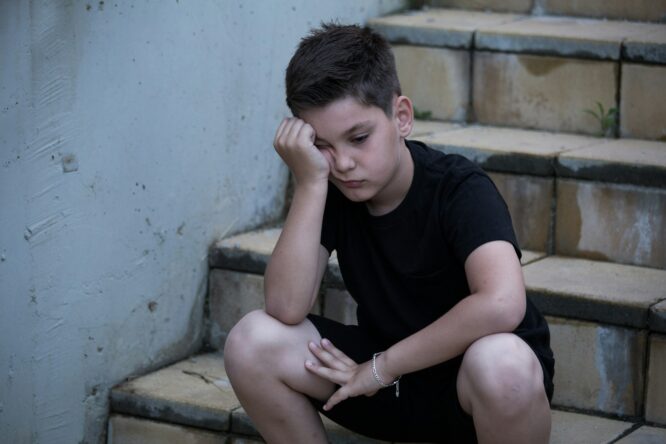
Some kids learn very young that no one’s coming to comfort them. Maybe a parent was emotionally unavailable, or the family was in chaos. Either way, they learned to handle everything on their own because they had no other choice. This shows up in kids who rarely ask for help, shrug off pain, or act like nothing bothers them. They’re not unfeeling; they’re just used to being their own emotional safety net.
3. They were praised only when they were quiet and easy.

Some kids are labelled “the good one” because they don’t make waves. If that praise is tied to staying quiet, compliant, and emotionally low-maintenance, the child may start to believe love is conditional on being invisible. These kids often grow up confusing approval with emotional detachment. They stay small, polite, and withdrawn—not because they want to, but because they think that’s what keeps them safe or liked.
4. They’ve been criticised or shamed for being themselves.
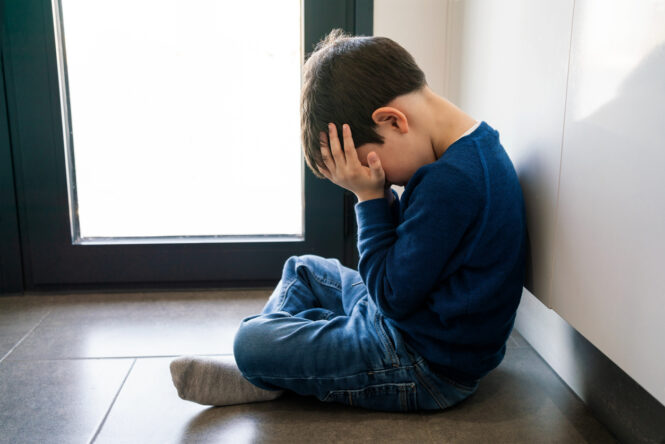
Kids who’ve been made to feel “too sensitive,” “too weird,” or “too much” will often withdraw rather than risk more rejection. They start to hide their quirks, their thoughts, and their emotions to avoid being made to feel wrong for existing as they are. Eventually, they can become masters at fading into the background. What looks like quietness is sometimes really a fear of being criticised again.
5. They’ve lived with unpredictable or chaotic adults.
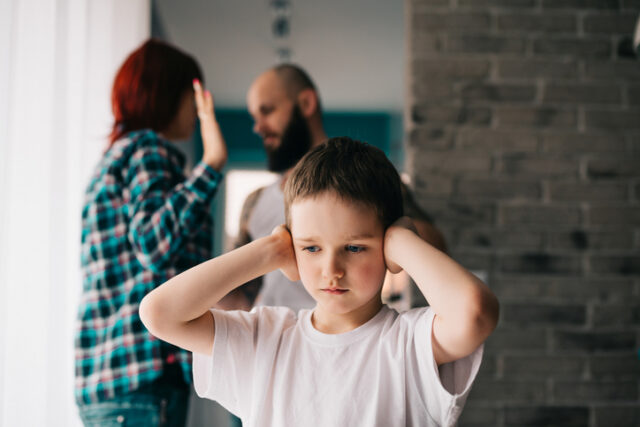
When kids grow up around volatility—whether it’s mood swings, substance abuse, or emotionally erratic behaviour—they often retreat to protect themselves. It’s a way of staying under the radar in a world that doesn’t feel steady or safe. This can make them seem withdrawn or overly cautious, especially around new people. But really, they’re just scanning for danger and trying not to draw attention to themselves.
6. They’ve learned their needs won’t be met.
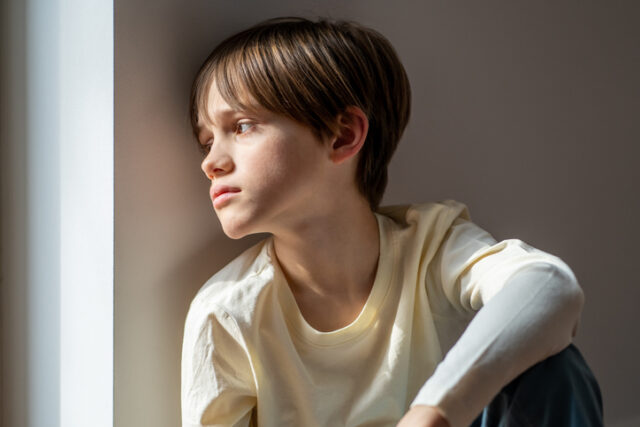
When asking for something always led to being ignored, dismissed, or punished, kids eventually stop asking. This can look like emotional withdrawal, but it’s really learned helplessness—an assumption that reaching out is pointless. These kids might seem detached or indifferent, but it’s often a sign they’ve had to accept disappointment far too often for someone their age.
7. They’ve experienced emotional whiplash from caregivers.

If a caregiver flips between warm and cold, supportive and dismissive, it creates confusion. A child doesn’t know whether their emotional expression will be met with kindness or punishment, so they start to hold everything back. Withdrawing becomes a safer choice than risking rejection or inconsistency. These kids often come across as guarded or overly reserved, but it’s really a way of trying to stay emotionally safe in unpredictable environments.
8. They’re used to being the “responsible one.”
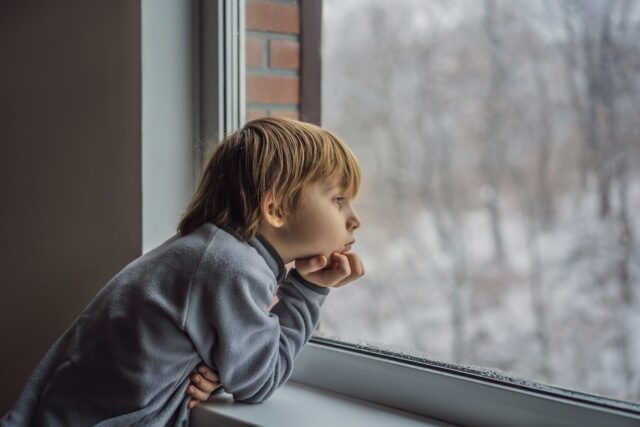
Sometimes kids become the unofficial adult in the room. Whether they’re helping raise siblings or managing their own emotions without support, they can become quiet and serious because they’re carrying too much. These kids often seem mature for their age, but beneath that calm surface is someone who’s had to skip parts of childhood. Their withdrawal can be a side effect of growing up too fast.
9. They’ve been emotionally neglected, not just abused.
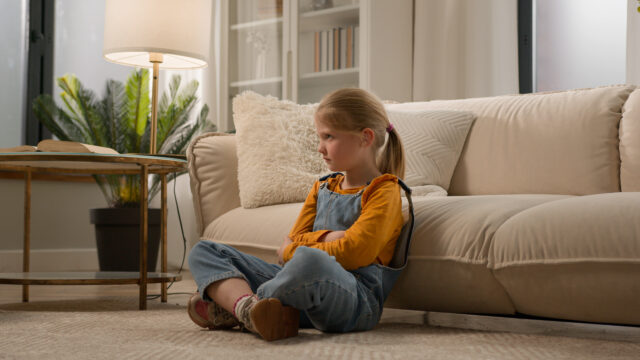
Not all emotional damage comes from shouting or harsh treatment. Sometimes, it comes from silence—from parents who didn’t ask how they were, didn’t notice when they were struggling, or were too distracted to connect. That kind of neglect can lead to deep loneliness. These kids often stop trying to connect because they’ve been conditioned to expect disinterest or invisibility, and it shows in their quiet, withdrawn way of moving through the world.
10. They’ve felt like a burden more than a blessing.
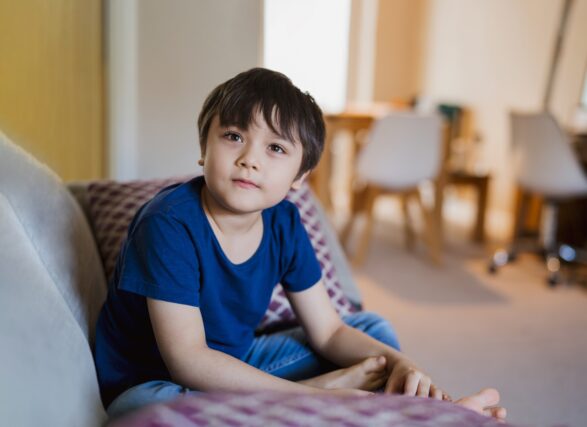
When kids are constantly reminded, whether directly or subtly, that they’re “too much,” they start to internalise the message. They might try to be as low-impact as possible just to avoid upsetting anyone. This can result in overly independent or withdrawn kids who don’t want to “cause trouble.” But underneath that quietness is often a child who’s never been made to feel like someone worth investing in emotionally.
11. They struggle to trust people’s intentions.
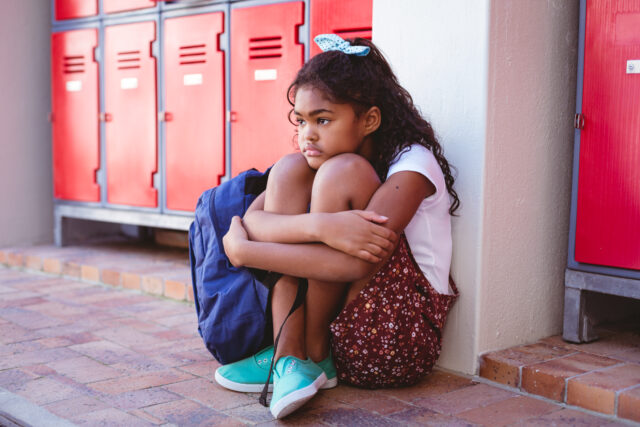
Kids who’ve been let down or manipulated early in life often grow suspicious of kindness. They wonder if it’s genuine, or if it’s just the lead-up to a letdown or control. So they withdraw—not because they don’t want connection, but because they’re not sure what’s real. Their default becomes distance, and it can take time (and consistency) for them to let people in.
12. They’ve had to deal with things too complex for their age.

When kids are exposed to adult problems—mental illness, grief, money stress—they often retreat inward to cope. They don’t always have the language or support to make sense of it all, so they process in silence. This can make them appear unusually serious or inward-focused. They’re not cold; they’re overwhelmed, and doing their best to navigate an emotional load that’s too big for their age.
13. They’re scared their emotions will make things worse.

Some kids are taught, directly or indirectly, that their feelings are dangerous. Maybe they witnessed fights escalate after someone cried, or saw vulnerability get used against someone. So they pull back. They hide anything intense—anger, sadness, fear—not because they don’t feel it, but because they’re scared of what might happen if they show it. That self-silencing shows up in withdrawal more often than we realise.
14. They don’t feel emotionally safe yet, even if they’re physically safe.

Just because a child isn’t in obvious danger doesn’t mean they feel secure. Emotional safety takes time to build, especially if their early life was unpredictable, neglectful, or unstable. Withdrawal is often a sign that a child is still assessing whether their current environment is truly safe. With patience, consistency, and care, many of them start to come out of that shell, but only once they believe it’s safe to be fully seen.