
Raising an introverted child doesn’t mean there’s anything wrong or lacking; it just means they experience and process the world a little differently.

That being said, well-meaning parents can sometimes unintentionally push introverted kids into uncomfortable or draining situations, leaving them feeling misunderstood and overwhelmed. They’re not major parenting errors you should be too hard on yourself about, just common habits that can drain a child’s confidence or have a negative impact on their sense of self. Here are some mistakes to steer clear of if you’re raising an introvert.
Pushing them to “come out of their shell”
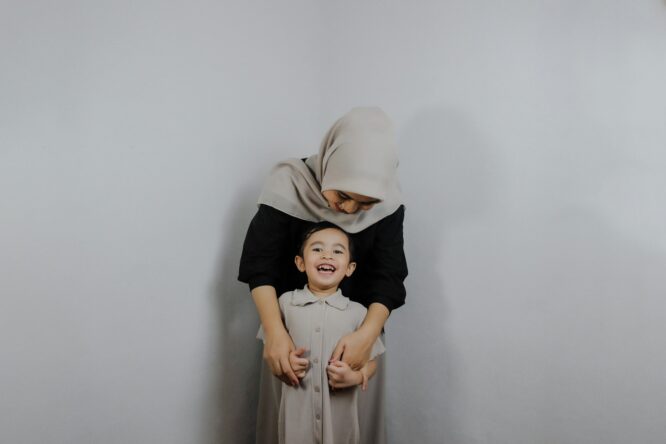
It might seem helpful to encourage an introverted child to be more outgoing, especially if you’re trying to keep them from being isolated or overlooked. However, constant nudging to speak up, join in, or be more sociable can actually send the message that how they naturally are isn’t enough. Eventually, all that pressure can make them feel flawed or ashamed of their quieter nature, rather than supported for who they really are.
Instead, meet them where they are. Let them engage on their own terms, whether that’s one-on-one conversations or creative solo activities. When they feel respected and accepted, they often build social confidence naturally, just in their own quiet way, without being forced to perform extroversion.
Confusing shyness with rudeness

If your child doesn’t immediately say hello or join a conversation, it’s easy to worry they’re being impolite. The truth is that introverted children often need time to warm up or observe before they feel comfortable interacting. Labelling their hesitation as bad manners can be confusing and hurtful, especially when they’re already feeling overwhelmed in social situations.
Give them space to find their footing. You can model social behaviours without forcing them. A simple “It’s okay, take your time” goes a long way. Eventually, they’ll often follow your lead in their own style, and the manners will come without pressure or shame.
Overloading their schedule

Between clubs, parties, school, and family events, an introverted kid can quickly become drained. While some structure is healthy, too many back-to-back activities can leave them overstimulated and anxious. They’re not being lazy or avoidant; they simply have a natural need to recharge in quieter settings.
Make sure their week includes downtime they don’t have to “earn.” Quiet play, reading, or just being alone isn’t a waste of time for an introvert, it’s a must. Protecting that space gives them energy to engage meaningfully, instead of forcing constant participation that only leads to burnout.
Expecting instant answers or decisions

Introverted kids often process things internally. They may need time to think before responding, especially when asked something emotional or unexpected. Jumping in too quickly with “Come on, just say something” can make them feel rushed or shut down entirely.
Try giving them breathing room. Say something like, “You don’t have to answer now, take a moment.” That shows respect for their process and builds trust. Over time, they’ll learn that their voice is valid, even if it doesn’t come out right away.
Comparing them to louder siblings or peers

It might not be intentional, but saying things like “Your brother would have loved this party” or “Why don’t you join in like the others?” creates a subtle hierarchy where loud equals better. This can really knock an introverted child’s confidence and make them feel like the “lesser” one.
Celebrate their uniqueness. Point out the strengths they bring to situations, like their thoughtfulness, creativity, or deep focus. When they see their quieter traits being valued at home, they’re less likely to feel pressured to perform for approval elsewhere.
Mistaking quietness for unhappiness

Just because a child is quiet doesn’t mean they’re sad, bored, or lonely. Introverted kids can feel deeply fulfilled doing something solo or simply being present in a peaceful environment. Assuming something’s wrong can make them second-guess their own sense of contentment.
Let them define their own version of joy. Ask open questions like “Are you enjoying yourself?” rather than “Are you okay?” That helps them feel seen without suggesting something is missing. Their inner world might be richer than you think. It just doesn’t always show up on the outside.
Talking over them or answering for them

In social situations, it can be tempting to fill the silence if your child hesitates. However, jumping in to speak for them robs them of the chance to try. Even if it’s done protectively, it sends the message that you don’t think they can handle it—or worse, that they shouldn’t even try.
Instead, give them a beat to find their words. If needed, gently prompt them with encouragement, not replacement. Over time, those tiny windows of trust help them build the confidence to speak up in their own voice, at their own pace.
Assuming they don’t need social connection

Introverted doesn’t mean anti-social. These kids still crave connection—they just prefer it in smaller, more meaningful doses. Assuming they don’t need friends or social time because they’re quiet can lead to loneliness, even if they’re not asking for help outright.
Help them find connections that suit their temperament. One or two trusted friends, group hobbies with structure, or shared quiet activities can offer social fulfilment without the noise and pressure of big gatherings. It’s about finding their rhythm, not removing connection altogether.
9. Ignoring signs of overstimulation

Introverted children are often more sensitive to noise, crowds, and chaos. When they’re overwhelmed, it might show up as irritability, withdrawal, or even a shutdown, but these signs can be mistaken for moodiness or misbehaviour if you’re not attuned to their needs.
Start to recognise their signs of sensory or social overload. If they get tense after a noisy event or shut down during a big family gathering, don’t take it personally. Instead, just offer a quiet escape route. Honouring their limits helps them regulate and get back out into the world on more solid ground.
Justifying or over-explaining their behaviour to other people

It’s natural to want to defend or explain your child when they don’t act how other people expect. But constantly saying things like “Sorry, she’s just shy” or “He doesn’t really talk to people” can label them in ways that stick, even when they’re listening quietly nearby.
Let their personality speak for itself. You can advocate for them gently without putting them in a box. Try, “She warms up with time” or “He’s observing right now.” That keeps the door open for growth instead of sealing them into a fixed identity.
Forcing group participation without prep

Introverted kids often find it tough to jump into group settings without warning. Surprise group work, loud birthday parties, or spontaneous performances can be overwhelming. Forcing it without giving them time to mentally prepare often sets them up for discomfort, not success.
Whenever you can, give them a heads-up. Let them know who will be there, what to expect, and how long it’ll last. This small step can make all the difference in helping them feel secure enough to participate on their own terms.
Assuming confidence has to be showy

We’re used to associating confidence with being chatty, assertive, and “on.” But introverted children can be deeply self-assured in subtler ways, like through strong values, sharp observation, or thoughtful creativity. Dismissing their calm confidence in favour of louder traits can make them question their worth.
Start redefining what confidence looks like at home. Praise their quiet bravery, the moments they speak up despite discomfort, or their ability to think before reacting. When you do, they learn that strength doesn’t always need to be broadcast to be real.
Not checking in just because they seem “fine”

Some introverted kids don’t readily open up, even when something’s wrong. They might internalise struggles or pretend everything’s okay to avoid confrontation or emotional exposure. Assuming their silence equals peace can lead you to miss chances to support them.
Gently check in, even when they aren’t showing distress. Questions like “How are you feeling about school lately?” or “Has anything been bugging you recently?” can help them feel safe to open up, especially if you’ve shown you’ll listen without judgement or pressure.
Trying to change their core personality

The biggest mistake is treating introversion like a flaw to fix. Trying to mould a child into someone more outgoing or energetic might come from a good place, but it can lead them to believe they’re broken or not enough. In the long run, that pressure builds into shame they carry into adulthood.
Instead, embrace who they are. Help them develop the skills they need to navigate the world—like advocating for themselves or setting boundaries, while still honouring their natural temperament. That’s how you raise an introverted child who’s not just surviving in an extroverted world, but thriving in their own steady, brilliant way.