ASMR isn’t just a weird internet trend or a whispery YouTube rabbit hole.

Short for Autonomous Sensory Meridian Response, it’s something a lot of people genuinely feel, even if they don’t have the words to explain it. For those who experience it, ASMR can be strangely soothing, even addictive. But for others, it sounds like nonsense. So what does ASMR actually feel like? Here are some of the most common descriptions people give when they try to explain what it’s like inside their head (and body) when the tingles hit.
Like a warm tingle in the back of your head
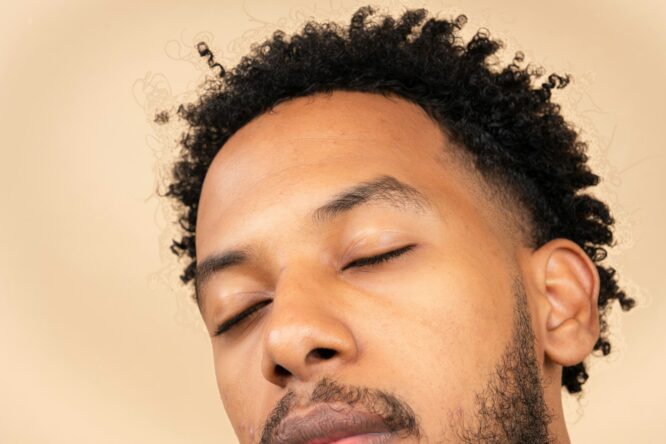
This is probably the most widely reported ASMR sensation: the kind of shiver or buzz that starts at the scalp and slowly spreads down your neck. It’s warm, soft, and almost fizzy, like your brain just got gently brushed by static electricity in the best way possible. People often compare it to that involuntary chill you get from hearing a beautiful piece of music, only this one feels more specific and focused. It’s not jarring or sharp; it’s comforting, like a physical sigh inside your skull.
A head massage without being touched

Some people say ASMR feels like someone is running their fingers through their hair or massaging their scalp, except there’s no actual contact. It’s as if your brain is being pampered without anyone laying a finger on you. This sensation can be deeply relaxing, even hypnotic. It often creates a kind of mental stillness, as if your whole body is momentarily suspended in calm. That’s part of why ASMR is so popular for sleep and anxiety. Your brain feels like it’s in spa mode.
A wave of calm flooding your body

For many people, ASMR doesn’t stay in the head. Once the trigger kicks in—whether it’s a soft voice, tapping, brushing, or even paper sounds—the sensation washes down their shoulders and arms like a slow, calming wave. The physical response can be surprisingly strong. It’s not dramatic, but it’s deeply soothing. It’s like your body is remembering how to relax, inch by inch, without needing to consciously try. It’s the opposite of adrenaline; it’s pure gentle stillness.
Like zoning out in the best possible way

ASMR can cause a kind of pleasant dissociation, where you feel a bit zoned out but in a good way. You’re still awake and aware, but your brain feels like it’s floating slightly outside your usual stress and noise. Some people say it reminds them of the trance-like state you enter when you’re deeply focused on a repetitive task—folding laundry, brushing hair, or watching rain fall. There’s comfort in the simplicity, and ASMR taps straight into that mental rhythm.
That feeling you used to get during story time at school

There’s a strong nostalgic quality to ASMR for a lot of people. It often reminds them of quiet moments from childhood—like when a teacher read aloud to the class or a parent brushed their hair. There’s a safety to it that feels deeply familiar.
This might be why certain ASMR triggers—soft voices, slow hand movements, or careful personal attention—hit so hard. They echo those moments of care and calm we didn’t even realise were shaping our nervous system. It’s comfort layered in memory.
Like your brain is being gently tickled

“Brain tingles” is a phrase thrown around a lot by the ASMR crowd—and for good reason. It really can feel like someone is delicately tickling the inside of your mind, especially near the crown of your head or the top of your spine. But unlike real tickling, which can be annoying or overwhelming, these sensations feel delicate and controlled. They don’t make you flinch or giggle; they make you sink deeper into stillness, almost like your brain is being brushed with feathers from the inside out.
A strange, happy chill

People who experience ASMR often describe it as deeply pleasant, something that makes them smile or feel inexplicably happy, even without a clear emotional reason. It’s not euphoria, but it’s a kind of gentle happiness that rises quietly through the body.
That little “happy chill” is part of why ASMR content has exploded online. It’s one of the few sensations that’s both physically grounding and emotionally uplifting. It doesn’t shout for your attention; it just quietly makes everything feel a bit better.
Like you’re the only person in the world

Some ASMR triggers are designed to feel intimate, like a one-on-one conversation, a personalised skincare routine, or someone whispering only to you. This can create a strange, comforting sense of isolation—in a good way. It’s like the rest of the world has temporarily switched off. That privacy creates space to unwind. There’s no pressure to talk or respond. You just get to receive quiet care, even if it’s through a screen. It’s one of the rare moments where feeling totally alone feels oddly nurturing.
Like your stress is slowly being turned down

ASMR can have a deeply calming effect on the nervous system. Many people say it helps lower their heart rate or ease tension they didn’t even know they were holding. It’s not instant relief, but it’s steady, like a volume knob being turned down gradually.
The combination of soft sounds and slow movements helps your brain switch out of fight-or-flight mode. It’s especially helpful before sleep or during periods of anxiety, when your body is overstimulated and needs something gentle to interrupt the spiral.
A pleasant fuzziness in your limbs

As strange as it sounds, some ASMR fans describe a kind of pleasant fuzziness that settles into their arms or legs, like a soft hum spreading outward from the core. It’s not pins and needles, but more like a blanket of mild static that feels safe.
This physical sensation often accompanies deeper relaxation. It’s as if the body is mimicking the calm the brain is experiencing. That mind-body connection is part of what makes ASMR feel so immersive. It’s not just in your head, it’s in your whole system.
Like time has slowed down

ASMR has a way of slowing everything down, not in a heavy or sluggish way, but in a peaceful, intentional way. The slow tapping, whispering, and careful movements are the opposite of rushed, and they bring you into that same pace.
This change in tempo is soothing for people who feel overstimulated or overwhelmed. When your mind is racing, something as simple as watching a person slowly fold a towel or brush a microphone can anchor you back into the present moment.
Completely unexplainable, but very real

For all the ways people try to describe it, ASMR is ultimately a deeply subjective experience. Some feel it instantly, while others don’t feel anything at all. And for many, the sensations are real but almost impossible to put into words.
It might sound bizarre or even ridiculous to someone who’s never experienced it—but for those who do, ASMR is a surprisingly powerful tool for stress relief, sleep, and sensory calm. If you’ve never felt it, it’s worth exploring. And if you have? You know exactly what all the fuss is about.