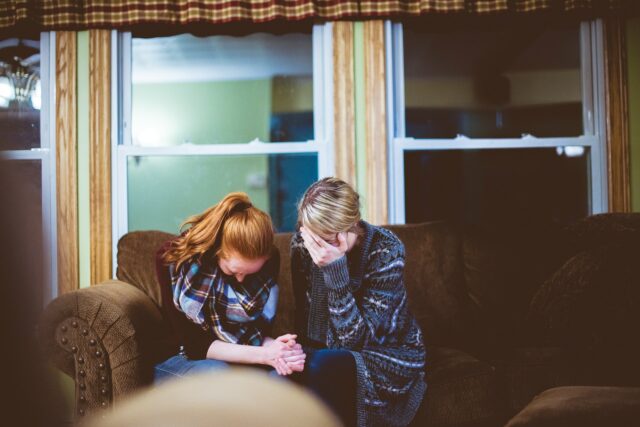
When a child’s behaviour suddenly changes at school—whether they become quiet, aggressive, withdrawn or defiant—it’s rarely without reason.
While it’s easy to chalk it up to “just a phase,” sudden changes often indicate that there’s something deeper going on beneath the surface. Here are some possible meanings behind the behaviour changes teachers and parents often spot, and why they shouldn’t be ignored. While they’re likely not cause for serious alarm, staying on top of things ensures kids get the attention and support they need.
Sudden withdrawal can point to anxiety or emotional overload.

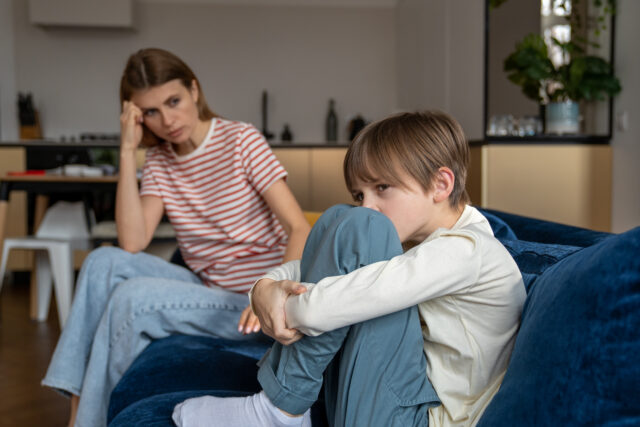
If a once-chatty child becomes quiet, avoids eye contact, or starts keeping to themselves, it’s worth asking why. Kids often withdraw when they feel overwhelmed, anxious, or unsure how to process something happening either at school or at home. It might not always seem major, but that shrinking back can be a quiet cry for help.
The change doesn’t always mean bullying or trauma, of course. It could be social anxiety, perfectionism, or feeling out of place in a new environment. However, if their energy, mood, and interaction level have dropped sharply, it’s time to create space for calm, curious conversations, not disciplinary responses.
Acting out can be a mask for emotional pain.
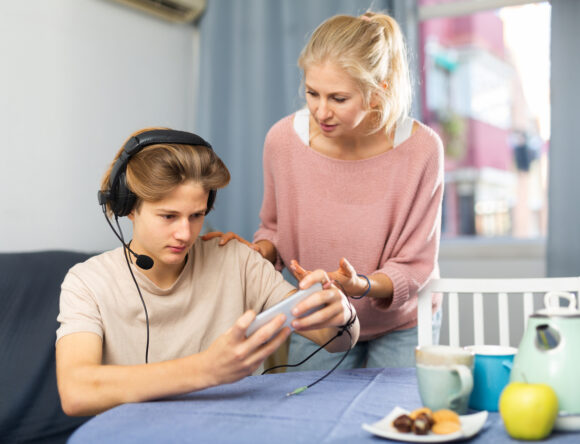
When children start lashing out, showing defiance, or becoming aggressive seemingly out of nowhere, many assume it’s just bad behaviour. However, acting out is often a way to express emotions they don’t know how to verbalise like grief, fear, or a sense of helplessness. A child who’s struggling might push boundaries as a way to feel some sense of control.
Look beyond the outburst and ask what might have changed in their world. Has something changed at home? Are they struggling socially? Emotional pain doesn’t always show up as tears. It can look like attitude, anger, or stubbornness that feels disproportionate until you understand the cause.
A drop in academic performance may be linked to stress or distraction.

If a student who previously did well starts missing homework, struggling in class, or giving up easily, it’s often dismissed as laziness or boredom. But those drops are frequently tied to emotional strain, such as family conflict, unprocessed trauma, or changes in mental health. Their brain is focused on survival, not algebra.
Rather than pushing them harder, it’s more helpful to offer quiet support and check in. Kids often don’t have the language to say they’re stressed, but their work habits might say it for them. Falling grades can be the surface symptom of an overloaded nervous system.
Perfectionism might stem from fear of failure or rejection.

If a child suddenly becomes obsessed with getting everything exactly right, redoing assignments, or melting down over small mistakes, this can be a sign of growing internal pressure. They might be carrying fears of not being “good enough,” which could come from high expectations at home, comparison to peers, or even bullying.
It’s not about being ambitious. Instead, it’s about feeling like anything less than perfect isn’t safe. Kids who start chasing perfection out of the blue often need reassurance that being loved or accepted doesn’t hinge on flawless results. Underneath the drive is often a deep fear of criticism or disappointment.
Clinginess may reflect a fear of abandonment or recent instability.

When a schoolchild who used to be independent suddenly becomes clingy with teachers or guardians, it may not just be a passing phase. Clinginess tends to crop up after a disruption, such as divorce, illness in the family, or even subtle emotional neglect. It can be a sign that they’re trying to anchor themselves to someone who feels emotionally safe.
Instead of dismissing it as immaturity, it’s better to look at what might be making them feel insecure. Kids don’t always express fear in direct ways; they often show it by holding tighter. Emotional consistency from adults around them becomes especially important when behaviour changes in this way.
Sudden hyperactivity can be a sign of internal restlessness or sensory overload.

If a child who was usually calm becomes fidgety, distracted, or can’t sit still, it’s tempting to assume they’re just not trying hard enough to focus. But it could point to unprocessed anxiety, ADHD symptoms, or even a response to a chaotic or overstimulating environment either at home or in the classroom.
Rather than interpreting the behaviour as disrespect or defiance, try tuning into their nervous system. They might be carrying around far more mental noise than they can regulate. Movement and restlessness can be a way their body tries to discharge stress they don’t know how to explain.
Constant tiredness could point to sleep disruption or emotional strain.

A noticeable increase in fatigue—yawning through lessons, struggling to stay alert, or seeming zoned out—might not be due to a late bedtime alone. It could be a result of poor sleep caused by anxiety, family arguments, grief, or even an inconsistent home routine.
Kids are sensitive to instability, and it often shows in their sleep patterns first. Chronic tiredness might also reflect emotional fatigue if they’re dealing with tension at home or masking their feelings during the school day. A subtle check-in about sleep and stress can go a long way here.
Sudden silence may be masking social anxiety or a loss of trust.

If a usually talkative child suddenly goes quiet in class or around friends, it’s not always about shyness. They might be feeling excluded, targeted, or embarrassed. Sometimes all it takes is one harsh comment, awkward moment, or negative change in peer dynamics to make a child pull back completely.
This behaviour often reflects internalised fear of judgement. It’s important to notice whether the silence is isolated or linked to certain settings or people. Restoring their sense of safety without pressuring them to speak up helps more than spotlighting the behaviour itself.
New fears can point to stress they don’t know how to name.

Sudden fears about things like being alone, getting sick, or leaving home can emerge when a child is carrying stress they can’t fully understand or explain. These anxieties often get projected onto specific situations, even if the actual worry is about something more abstract or emotional.
Rather than telling them they’re being “silly,” the best approach is to validate how real it feels for them and look for what’s changed in their environment. Big life events, even ones that seem minor to adults, can spark a need for more safety and control. The fear is real, even if the logic isn’t obvious.
Unusual laughter or goofiness may be a defence mechanism.
Sometimes, a kid starts acting out in ways that seem silly, over-the-top, or inappropriate for the moment. That sudden clownish behaviour can be a shield. Humour becomes a strategy to deflect discomfort, mask sadness, or avoid scrutiny. They might be using it to distract from something they feel too exposed to talk about.
It’s important not to shame this behaviour, but to ask what might be driving it. If it’s a big change from their usual demeanour, it might be worth gently checking if something’s been bothering them. Laughter can be just as much a form of self-protection as silence or tears.
Sudden resistance to school may point to something deeper going on there.
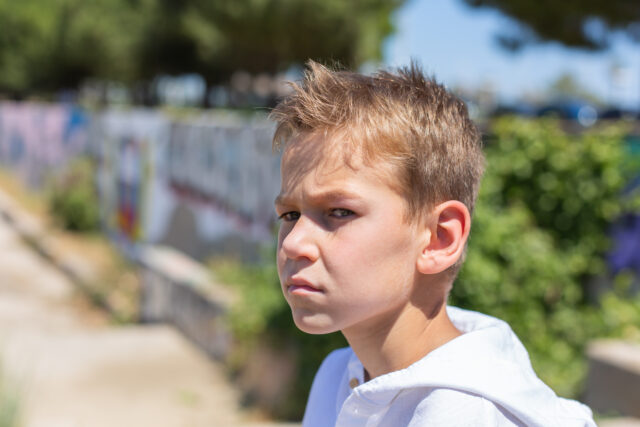
If a child who previously enjoyed school suddenly refuses to go, fakes illness, or becomes distressed at drop-off, it’s not just about laziness or attention-seeking. It could point to bullying, academic pressure, or an uncomfortable dynamic with a teacher or peer that they’re scared to voice directly.
Instead of focusing only on getting them back in the building, it helps to understand what’s changed. Ask about the social and emotional sides of their school day. Kids often don’t have the tools to explain fear, but their behaviour will give you clues if you pay close enough attention.
A complete personality flip may be a trauma response.

In more serious cases, a child might undergo a dramatic change in personality, going from cheerful to flat, curious to numb, or easygoing to volatile. These changes shouldn’t be brushed off. They can be indicators of trauma, neglect, or distressing events that have left a real psychological mark.
Children don’t always process trauma in linear or obvious ways. If their whole tone, temperament, or emotional baseline changes rapidly and significantly, it’s time to involve trained support. These behaviours are often the result of a child trying to cope with something far bigger than they can hold on their own.