Verbal abuse is tough to recognise, especially since we all say things we don’t mean sometimes.

However, there’s a big difference between the occasional moody outburst (which you hopefully apologise for afterward) and constant verbal attacks. Sometimes it’s sharp sarcasm, constant criticism, or passive-aggressive digs that wear you down as time goes on. However, just because it’s not physical doesn’t mean it doesn’t do damage.
The good news is that you don’t have to just sit there and take it. Whether it’s coming from a partner, a colleague, a family member or even a so-called friend, there are ways to stop it in its tracks without losing your sense of self in the process.
Stop justifying or explaining yourself.

Verbal abusers thrive on getting you to defend yourself because it gives them more room to twist your words or poke holes in your reasoning. The more you try to “prove” your point, the more power they have to keep you stuck in their cycle.
Instead, you can break that loop by calmly standing your ground without explaining every detail. You don’t owe anyone a full justification for your boundaries, your feelings, or your choices, especially not someone who’s using words to tear you down.
Don’t match their tone.

Raising your voice to match theirs might feel satisfying in the moment, but it rarely helps. Abusers often bait people into reacting emotionally so they can flip the narrative and claim you’re the problem. Staying calm and clear can be incredibly disarming. It keeps the focus on their behaviour, not yours, and reminds them you won’t be dragged into their chaos. That change in power dynamic is sometimes enough to make them back off.
Call out the behaviour directly.
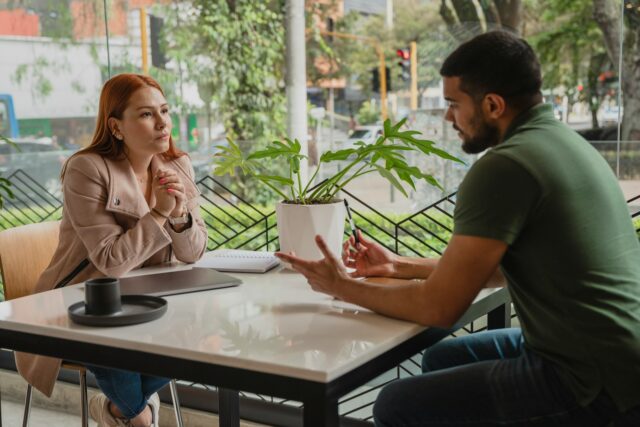
One of the simplest but hardest things to do in the moment is to name what’s happening. Saying “That’s verbal abuse,” or “That was uncalled for” puts a mirror in front of them that they weren’t expecting. Even if they deny it or get defensive, you’ve made it clear that their words crossed a line. It also lets other people know (if they’re present) that this isn’t normal or okay, which helps break the silence that often protects abusers.
Set clear boundaries (and stick to them).

Boundaries don’t mean much unless they come with consequences. It’s one thing to say, “I won’t tolerate that,” and another to leave the room or end the conversation when it happens again. Abusers often test limits to see how much they can get away with. The more consistently you uphold your boundaries, the clearer it becomes that they don’t get to dictate the terms of how you’re treated.
Don’t get pulled into circular arguments.

Verbal abusers often use repetition and circular logic to wear you down. They twist your words, repeat false claims, and keep dragging things out until you’re confused, exhausted, or questioning your own reality. You don’t have to stay in that loop. Say, “I’m not continuing this conversation,” and mean it. Walking away isn’t weak; it’s recognising that clarity and self-respect matter more than winning an argument you were never going to win.
Limit your emotional reactions around them.

When someone’s abusive, your pain can become part of the game. They may mock it, use it against you later, or see it as proof that they’ve “won.” That doesn’t mean you should suppress your feelings; it just means you’re safer not showing them everything. Save your emotional processing for people you trust. Around the abuser, staying grounded and emotionally neutral protects your energy and makes it harder for them to manipulate your reactions.
Keep a written record if it’s ongoing.

If you’re dealing with workplace bullying, custody disputes, or repeated verbal abuse from someone who denies it later, keeping a written log can help. It creates a factual record of what was said, when, and how it made you feel. Even if you never share it with anyone, it can remind you that you’re not imagining things. If it ever does need to be shared—whether with HR, a therapist, or legal support—you’ll be glad you kept track.
Stop trying to “fix” or educate them.

It’s natural to want to get through to someone, to make them see how much they’re hurting you or explain why what they said was wrong. But if someone’s committed to tearing you down, your emotional labour won’t change that. Your role isn’t to be their teacher, therapist, or punching bag. The more you focus on protecting your peace instead of changing their behaviour, the more energy you save for your own healing.
Use short, direct responses.

When someone’s verbally abusive, long explanations often give them more fuel. Keeping your responses short—things like “That’s not acceptable,” or “I’m not engaging with this”—draws a clear line without inviting more drama. It also takes away their favourite tool: drawing you into a spiral. You can stay calm, firm, and focused without giving them more ammunition to twist or weaponise.
Practise detachment from their approval.

One reason verbal abuse stings so much is because we often still crave the abuser’s validation, especially when it’s a partner, parent, or close friend. However, part of protecting yourself is learning that their opinion doesn’t define your worth. When you stop trying to win their approval, you start reclaiming your power. Their words still hurt, but they don’t carry the same weight when you no longer place your value in their hands.
Build up your support system.

Abusers often isolate the people they target. Rebuilding your circle with friends, therapists, and/or support groups gives you somewhere else to turn. It reminds you that not everyone treats you this way, and that you do deserve better. Having even one person in your corner can change your mindset. It reinforces the fact that your experiences are real, your feelings are valid, and you don’t have to handle this on your own.
Exit the conversation, literally if you need to.

Sometimes the most effective move is the simplest one: walk away. Whether it’s leaving the room, hanging up the phone, or changing the subject with zero explanation, you are allowed to opt out of abuse. It might feel rude at first, especially if you were raised to be “polite.” However, respect is a two-way street, and when it’s not being shown to you, you don’t have to stay put and receive the impact.
Believe yourself when it happens.

The hardest part about verbal abuse is how often it gets minimised by the abuser, by other people, and sometimes by yourself. You might catch yourself thinking, “Maybe I’m overreacting,” or, “It’s not that bad.” But it is. If it made you feel small, worthless, or unsafe, it matters. Believing yourself is the first step to breaking the cycle. You’re not exaggerating. Trusting your gut and honouring your own experience is important. That’s the foundation for every other step you take.