Empathy on its own sounds like a good thing, but when someone combines emotional insight with manipulation or ego-driven motives, it becomes something a lot more dangerous.
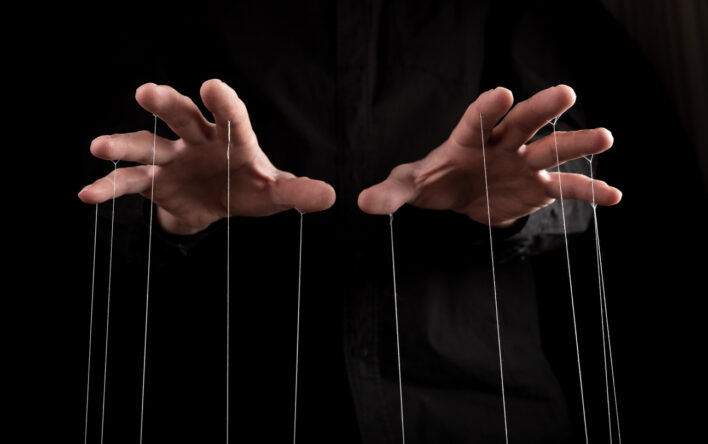
That’s where dark empaths come in. They get people. They know what hurts, what soothes, what earns trust, but instead of using that understanding to connect, they use it to control. They’re not overt manipulators, either. Most of the damage they do is subtle and hard to call out. If you’ve ever had a gut feeling something felt off around someone who seemed “nice,” this might explain why. Here are the dangerous traits that tend to show up in people like this.
1. They read people well, and use it against them.

Dark empaths don’t just notice your mood, they also know what’s behind it. They pick up on insecurities, patterns, and emotional tells most people miss. But instead of using that to offer support, they file it away as useful intel. That means when conflict arises, or they want to get their way, they know exactly where to aim. It’s not always obvious, either. They can twist the knife with a perfectly timed comment or a subtle withdrawal that hits just where it hurts most.
2. They rarely lose control, but they make sure you do.

Dark empaths are usually calm, collected, and hard to rattle. That’s part of what makes them so disarming. They can provoke you, push your buttons, and then stand back and act innocent when you finally snap. Because they don’t explode or raise their voice, they come off looking mature, while you look like the one who’s “overreacting.” It’s a tactic that leaves you doubting yourself and wondering if you’re the problem.
3. They’re masters of guilt-tripping.

Dark empaths know how to weaponise guilt without ever looking cruel. They don’t attack, they imply. They’ll drop little comments that make you feel selfish, ungrateful, or cold just for asserting yourself. Plus, if you try to explain how their behaviour’s affecting you, they’ll flip it into how hard things have been for them lately. They don’t need to yell or guilt-trip directly. They just plant the seed and let you tie yourself in emotional knots.
4. They come across as kind, but only when it benefits them.

One of the trickiest things about dark empaths is that they don’t seem toxic on the surface. In fact, they often seem emotionally tuned in, generous, or even self-aware. But that “kindness” tends to have strings attached. If you stop playing your part or question their motives, that warmth disappears fast. Suddenly, you’re difficult, dramatic, or making things “more complicated than they need to be.” The empathy was only ever there on their terms.
5. They use your own empathy against you.

If you’re the type who hates upsetting people or feels bad for setting boundaries, dark empaths spot that instantly. They’ll play the victim just enough to make you back down, even when you were completely valid in speaking up. They know how to make their pain louder than yours, so you end up comforting them instead of holding them accountable. And they do it in a way that makes it hard to call out because, technically, they didn’t do anything “wrong.”
6. They mirror you to earn trust.

Dark empaths are brilliant at making you feel understood… at first. They reflect your values, match your humour, echo your worries. It can feel like you’ve finally met someone who just gets it, but that mirroring isn’t real connection. It’s strategy.
Once they’ve got you emotionally invested, the mask starts to slip. You start to realise that the “shared” views were just a tactic to build closeness quickly, and now that they’ve got your trust, they’re starting to reshape the dynamic on their terms.
7. They stay just vague enough to avoid accountability.

Dark empaths rarely make direct threats or bold lies. Instead, they live in a constant state of vague phrasing, blurred intentions, and carefully worded half-truths. That way, when you try to pin down what’s happening, they can always backtrack. It’s all about keeping you in a state of confusion. If you can’t prove what they’re doing, you can’t call them out. So you end up second-guessing your gut, wondering if you’re reading too much into things. They like it that way.
8. They always position themselves as the one who cares more.

In relationships, they love to be the one who gives more, sacrifices more, or tries harder, at least on the surface. It gives them the moral high ground and makes you feel like you’re not doing enough. However, dig a little deeper, and you’ll notice that their “giving” often comes with expectations, pressure, or guilt. It’s not genuine generosity; it’s emotional leverage. They want you to feel indebted, not connected.
9. They’re skilled at subtle shaming.

Dark empaths don’t insult you outright. Instead, they make you feel bad without ever raising their voice. They might make a joke that’s a little too pointed, or say something “helpful” that’s clearly meant to sting. You’re left trying to figure out whether it was a dig or if you’re just being sensitive. That’s the trap. The more you question yourself, the more control they gain. And they never have to take responsibility because nothing they said was “that bad.”
10. They feed off validation, but hide it well.

Dark empaths often act above praise, like they don’t need attention. Make no mistake, though: they crave validation, especially when it confirms their emotional influence over other people. They just collect it in less obvious ways. They might do something thoughtful and act indifferent about it, but if you don’t gush enough, they’ll subtly withdraw or make a cutting remark. Their need to be seen as insightful, caring, or morally superior runs deep. It’s just dressed in humility.
11. They make you doubt your instincts.

As time goes on, being around a dark empath leaves you unsure of yourself. You start questioning your reactions, wondering if you’re the dramatic one, or if you’re just too sensitive. That destruction of self-trust is exactly how they gain control. They don’t need to manipulate directly. If they can make you unsure of your own feelings, they’ve already got the upper hand. The more confused you feel, the harder it is to leave or push back.
12. They use empathy to blend in, not to connect.

Dark empaths don’t use their emotional awareness to bond; they use it to blend in. They want to be liked, trusted, and admired, and they know how to change their personality just enough to suit whatever group they’re in.
Their adaptability can look like social intelligence, but it’s often just surface-level charm. Deep down, there’s no real emotional intimacy happening, just performance. They’re always managing how they’re perceived, not building something honest.
13. They’re rarely called out because they’re hard to pin down.

People often protect them because they seem nice. They’re not the obvious villain, and they rarely leave a trail. That’s what makes them so dangerous. Their manipulation is wrapped in charm, empathy, and emotional awareness. Even if you start seeing the patterns, calling it out can be hard without sounding paranoid. That’s how they operate: under the radar, in plain sight, getting away with behaviour that no one quite knows how to name.
14. They don’t just understand pain, they know how to cause it.

What makes dark empaths different from typical manipulators is they actually feel empathy. They understand emotions, and they connect to pain, but they don’t always use that understanding to protect people. Sometimes, they use it to hurt better. That emotional precision can make their manipulation feel even more personal. They don’t just lash out; they hit where it stings the most, and they know how to do it with a smile, which is exactly why it messes with your head.