People throw around the terms “HSP” and “empath” like they mean the same thing, but they’re actually pretty different once you look closer. They can overlap, sure, and some people are both. However, if you’re trying to figure out where you land, or why certain things hit you harder than they hit other people, here’s what actually sets them apart.
1. HSPs process deeply, while empaths absorb.
HSPs take everything in and mull it over. You replay conversations, feel overstimulated easily, and your brain doesn’t really switch off. It’s like life’s always running on high alert in the background. Empaths, meanwhile, don’t just think about how other people feel. They feel it in their own bodies. If someone’s sad, they’re sad too, even if they weren’t five minutes ago.
So while HSPs react strongly to their own emotions and surroundings, empaths are picking up on what everyone else is carrying too. It’s like your emotional sponge is absorbing things you didn’t even mean to soak up.
2. HSP is about sensitivity, but being an empath is about emotional openness.
If you’re an HSP, you notice small things no-one else does: sudden tone changes, flickers in expression, awkward silences, background noise, texture, light, etc. It’s how your nervous system is wired. You feel everything a little more than most people do.
Being an empath really has nothing to do with sensory overload. Instead, it’s about emotional depth. You walk into a room and instantly know the vibe. You can feel someone’s pain even when they haven’t said a word. It’s more about emotional energy than physical sensitivity.
3. HSPs are often triggered by the environment; empaths are triggered by people.
Loud music, messy rooms, and fast-paced schedules are the things that push HSPs over the edge. It’s less about the mood in the room and more about the stimulation level. Bright lights and chaos just make everything feel like too much.
Empaths might be fine in a noisy pub, but completely drained after talking to someone who’s emotionally intense. Their overload doesn’t come from volume or clutter. Instead, it comes from emotional weight. They take on people’s feelings like they’re their own, and it’s hard to switch that off.
4. Empaths often don’t know where their feelings are coming from.

HSPs usually know what set them off. They can trace it back to a rude comment, a busy day, or a weird interaction. Their emotions are deep, but they usually make sense. Empaths sometimes feel heavy or anxious for no clear reason because the feelings aren’t actually theirs to begin with.
If someone else in the room is going through it, an empath can pick that up and carry it around without realising they’ve taken on someone else’s stuff. That’s where the confusion kicks in: they feel overwhelmed but can’t explain why.
5. HSPs need breaks from stimulation, while empaths need breaks from people.
HSPs burn out when their senses are overloaded. Noise, crowds, strong smells, and flickering lights are all a bit much. They need calm, quiet spaces to reset their nervous system. That’s why they might duck out of parties early or get wiped after a busy day, even if nothing went wrong.
Empaths burn out emotionally. It’s less about sound and light and more about energy. They can be around calm, quiet people all day and still feel wiped if those people are carrying heavy emotions. That’s why emotional boundaries matter so much for them.
6. Empaths struggle more with boundaries.
HSPs might need time to decompress, but they don’t always internalise other people’s pain. They feel their own feelings deeply, but they’re usually clear on what’s theirs. Empaths often carry emotional weight that doesn’t belong to them, and they don’t always realise it until it gets too heavy.
This makes setting boundaries harder, especially with people they care about. They want to help, they want to be there, and before they know it, they’re completely drained and unsure why. They’re giving too much because they feel everything so strongly.
7. HSP is a researched trait, but empath is more intuitive or spiritual.
The term HSP comes from real psychological research. It’s about how someone’s brain and nervous system respond to the world. Around 15 to 20 percent of people fall into this category, and it’s been studied and defined in a measurable way.
Empath, on the other hand, is more of a spiritual or intuitive label. It’s not a clinical diagnosis; it’s something people identify with because they experience a deep emotional connection to other people, often beyond what seems logical or explainable.
8. You can be emotionally deep without being an empath.
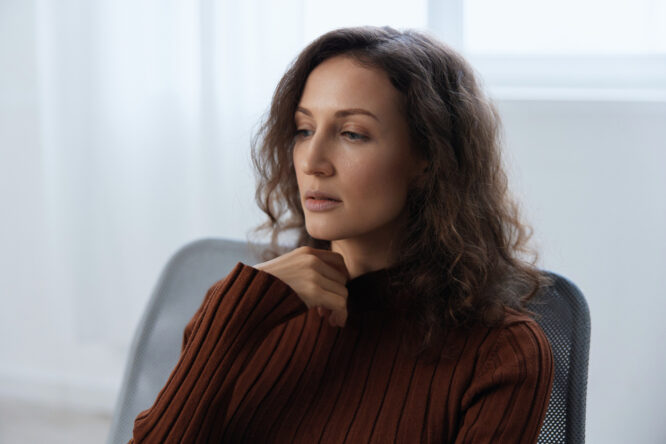
Not everyone who feels things deeply is an empath. Some people are just very emotionally aware or compassionate. Being an empath goes a step further because it means actually taking on someone else’s emotional state and feeling it as if it’s your own.
That’s the key difference. If you’re an HSP, you might cry easily or get moved by small moments, but you’re reacting to your own emotions. If you’re an empath, you’re often reacting to things other people are going through, even if they haven’t said a word about it.
9. Empaths are more likely to absorb emotional ‘vibes’ in crowded spaces.
Ever walk into a shop or busy café and suddenly feel off, even though nothing bad is happening? That’s classic empath territory. They pick up on unspoken tension or sadness in the air and feel affected without knowing why.
HSPs might also feel uncomfortable in crowded places, but usually because of the noise, smell, or visual chaos, not because of the emotional energy. The overwhelm is sensory, not emotional. The end result might look similar, but the cause is different.
10. You can be one, the other, or both.
Some people are clearly one or the other. Others find they’re both: a highly sensitive empath, which means you’re picking up on emotional energy and getting overstimulated by the world. That combo can be exhausting, but also makes you deeply intuitive and caring when it’s managed well.
If you’re not sure where you land, think about what triggers you most. Is it noise and chaos, or is it people’s emotions and moods? That usually gives you a clue. Either way, knowing the difference helps you take care of yourself better, and set boundaries that actually stick.