As a parent, it’s natural to wonder if your child is developing typically. Autism can look very different from one child to another, so knowing the early signs matters. If these 12 experiences are familiar to you, it might help push you toward getting help and a possible diagnosis, even if it might be a bit of a lengthy journey.
1. They don’t respond to their name consistently.
Most kids start recognising and reacting to their name fairly early. If your child often seems not to notice when you call, even in quiet situations, it could signal something beyond simple distraction. While it doesn’t always point to autism, noticing patterns like this can help you decide whether to ask for further checks. A professional can help rule out other issues, like hearing difficulties, and guide you on next steps.
2. Eye contact feels difficult for them.
Some kids naturally avoid direct eye contact, but when it’s consistent, it can be a sign worth noting. Eye contact helps with bonding and communication, so a lack of it may make interactions feel different. If you notice your child prefers to look away most of the time, mentioning this to a doctor or teacher can help. It doesn’t mean something is wrong, but it’s a detail worth exploring further.
3. They don’t hit any of the expected speech milestones.
Every child learns to talk at their own pace, but delays that stretch far beyond typical milestones might raise questions. If your child isn’t speaking by the age most kids do, or they stop using words they once had, it’s worth noticing. Delays don’t always mean autism, but they are a common reason parents seek assessment. Bringing this up early can help you access support if needed and understand whether speech delay connects to something larger.
4. They repeat phrases or sounds a lot.
Some kids repeat words, songs, or sounds in ways that seem unusual. This behaviour, called echolalia, can sometimes be soothing or a way to communicate when forming new sentences feels harder. If you hear frequent repetition that doesn’t seem connected to conversation, it may be a good idea to mention it to a professional. It doesn’t always mean autism, but it can be one of the signs.
5. They have a very strong focus on specific interests.

Lots of kids become fascinated by certain things, like dinosaurs or trains. With autism, though, these interests can become very intense and last much longer than typical phases, sometimes dominating play and conversation. That kind of passion isn’t negative, but it may stand out. If your child’s interests are so strong they overshadow other activities or make flexibility hard, it could be a useful detail to bring up in an assessment.
6. They struggle with routine changes or variations.
While most kids prefer routine, many can adapt when plans change. Kids with autism may find transitions very upsetting, reacting strongly to even small disruptions in their day-to-day rhythm. Noticing how your child handles changes like a different route to school or a new bedtime routine can give you clues. If reactions are consistently extreme, it’s something worth discussing with a professional.
7. They show a sensitivity to lights, sounds, or textures.
Some kids show strong reactions to things like bright lights, loud noises, or scratchy clothing. While many kids have preferences, children with autism may respond more intensely, avoiding or even panicking in those situations. Watching how your child reacts in different environments can be helpful. Sensory differences are a key part of autism, and if you see these patterns often, they’re worth mentioning during a check-up.
8. They have limited interest in playing with peers.
Playtime usually sparks interest in other kids, even if shy at first. Children with autism may prefer playing alone or alongside other kids without much interaction, which can look unusual compared to peers. That doesn’t mean they don’t enjoy company, but it may signal that social connection feels harder for them. If you see this pattern often, sharing it with a teacher or doctor can give you perspective.
9. They find it hard to read emotions or expressions.
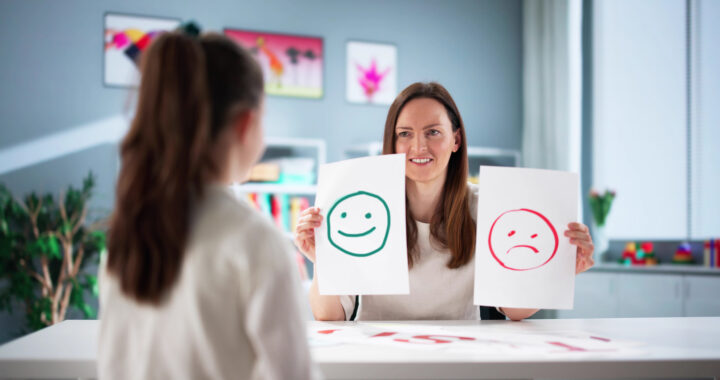
Recognising facial expressions and emotions is a skill that develops over time, but kids with autism may struggle more with it. They might not notice when someone is sad, frustrated, or excited, which can make social interactions tricky. Observing how your child responds to other people’s emotions can give you insight. If these cues often go unnoticed, it could be another piece of the puzzle when deciding whether an autism test is needed.
10. They exhibit movements that seem repetitive.
Some kids with autism repeat movements like hand-flapping, rocking, or spinning. These behaviours, often called stimming, can be soothing or a way to process overwhelming situations, and they tend to be noticeable across different settings. If you notice repeated patterns of movement that stand out, it’s something you can bring up. These behaviours aren’t harmful in themselves, but they may be a sign that your child is processing the world differently.
11. They have emotional reactions that feel extreme.

Autistic kids may react strongly to situations that don’t usually trigger intense emotions in other people. Small changes, unexpected noises, or even waiting too long for something can lead to very big responses. Keeping track of when and where these reactions happen can be helpful. Sharing examples with a professional makes it easier to understand whether these patterns are linked to autism or something else entirely.
12. You have a gut feeling as a parent.
Sometimes the clearest sign is your own intuition. Parents often notice subtle differences in their kids long before other people do, and those instincts can be important when deciding whether to ask for an autism test. If something feels off to you, it’s valid to explore further. Trusting your observations and looking for guidance can give you reassurance, whether the result confirms autism or points to something else.