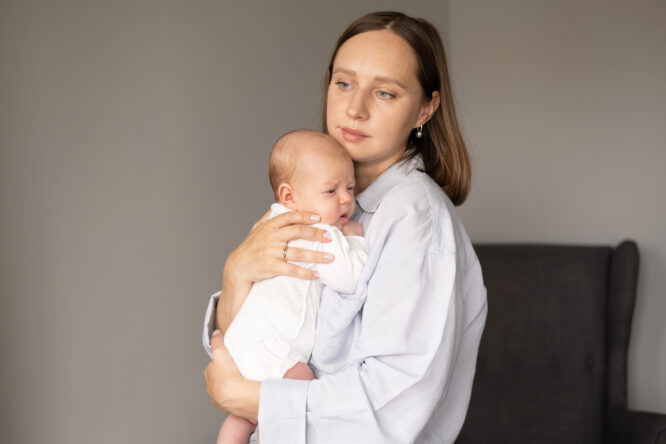
New motherhood brings intense emotions and overwhelming changes that can leave you feeling isolated and misunderstood. When your partner doesn’t recognise the depth of what you’re experiencing, these seemingly small moments can trigger tears and feelings of loneliness that go much deeper than the surface issue.
1. When he complains about being tired after a full night’s sleep
Hearing your husband mention how exhausted he is after sleeping through the night can feel like a slap in the face. You’ve been up every two hours feeding, changing, and soothing the baby while he snores peacefully beside you.
The tears aren’t really about his tiredness. They’re about feeling like your sleep deprivation and round-the-clock work are invisible to him. You long for acknowledgment that your exhaustion runs bone-deep and affects every aspect of your functioning.
2. When he asks what you did all day while you’re still in pajamas
This innocent question can unleash a flood of emotions because it implies you’ve been lounging around doing nothing. The reality is you’ve been feeding, changing, burping, and comforting a tiny human who demands constant attention.
You cry because you feel like your entire day of hard work is being dismissed, and you can’t articulate how caring for a newborn is physically and emotionally exhausting. The question makes you feel judged and misunderstood about the reality of your new life.
3. When he gets to leave the house alone for any reason

Watching your partner walk out the door to go to work, run errands, or meet friends can trigger unexpected tears and resentment. You’re stuck at home with the baby, but he gets to interact with adults and exist in the outside world.
The freedom he takes for granted, such as going to the shop without planning, timing, and packing supplies, now feels like an impossible luxury. You cry because you miss your independence and feel trapped by the constant responsibility of caring for your child.
4. When he doesn’t notice you haven’t eaten all day
Forgetting to eat becomes common when you’re focused entirely on your baby’s needs, but having your partner not notice or offer help can feel devastating. You might realise at dinnertime that you’ve only had coffee and whatever you could grab with one hand.
These tears reflect deeper feelings about being forgotten and unimportant in your new role as a mother. You want someone to care for you the way you’re caring for everyone else, but it feels like you’ve become invisible.
5. When he goes to bed early and you’re still dealing with bedtime routines
Watching your partner head to bed while you’re bouncing a crying baby or pumping milk can trigger feelings of abandonment and unfairness. He gets to end his day, but yours continues with night feeds and baby care.
You cry because you feel alone in the parenting responsibilities and like you don’t have a true partner sharing the load. The inequality in rest and recovery becomes glaringly obvious during these late evening moments.
6. When he doesn’t understand why you can’t just put the baby down and come to bed

Suggestions to “just let the baby cry” or “come relax” when you’re in the middle of feeding or settling routines can feel incredibly dismissive. He doesn’t understand that leaving a crying baby isn’t an option for most mothers, even when you’re exhausted.
The tears come from feeling misunderstood about your maternal instincts and the physical discomfort of ignoring your baby’s needs. You want support for doing what feels right, not pressure to abandon your instincts for his convenience.
7. When he gets frustrated with the baby’s crying and hands them back to you
Having your partner give up quickly when the baby cries and assume you’ll handle it can feel incredibly isolating. It reinforces the idea that baby care is primarily your responsibility, even when you’re both equally capable of learning.
These moments trigger tears because they highlight how you’re expected to be the expert and primary caregiver and he gets to remain a helper. You want a true partner who persists through difficult moments rather than immediately passing responsibility back to you.
8. When he makes plans without considering your feeding schedule or energy levels
Having your partner commit to social events or activities without checking with you first can feel inconsiderate and overwhelming. Your world now revolves around feeding times, nap schedules, and your own physical recovery needs.
You cry because it feels like he’s living his life as if nothing has changed, while you’re completely consumed by new responsibilities. The lack of consideration makes you feel like your needs and limitations are unimportant to him.
9. When he doesn’t notice you’re struggling during difficult baby moments

Dealing with prolonged crying, feeding difficulties, or baby fussiness alone as your partner watches television or does other things can feel incredibly lonely. You need emotional support during these challenging moments, not to handle them solo.
The tears reflect your need for partnership and recognition that parenting is hard work that requires teamwork. You want someone who notices when you’re overwhelmed and offers help without being asked repeatedly.
10. When he compliments other new mothers but doesn’t acknowledge your efforts
Hearing your partner praise how well other women are handling motherhood while your own struggles go unnoticed can be particularly painful. You’re doing your best but feel like your efforts aren’t seen or appreciated by the person closest to you.
These tears come from wanting recognition and encouragement from your partner about your parenting efforts. You need to hear that you’re doing well and that your hard work is valued, especially during moments when you feel inadequate.
11. When he expects you to manage all the baby-related mental load
Having to remember and organise everything related to the baby—doctor appointments, supply needs, feeding schedules—while your partner remains oblivious can feel exhausting. This invisible labour adds to your already overwhelming responsibilities.
You cry because you feel like you’re managing everything alone while he gets to remain blissfully unaware of the planning and organisation required. The mental burden feels as heavy as the physical care, but it goes completely unrecognised.
12. When he doesn’t defend you to critical family members or friends
Having anyone question your parenting choices or offer unsolicited advice while your partner stays silent can feel like betrayal. You need your partner to be your advocate and support your decisions, especially when you’re already feeling vulnerable.
The tears reflect feeling abandoned when you most need protection and validation. You want your partner to stand up for you and show confidence in your parenting abilities when other people are being critical or judgemental.
13. When he seems unaffected by the changes, but you feel like a different person
Watching your partner continue his normal routines and interests while you feel completely transformed by motherhood can create feelings of isolation and resentment. Your entire identity has transformed, but he seems unchanged by this major life event.
These tears come from feeling alone in your transformation and wanting acknowledgment that becoming a mother has fundamentally changed who you are. You need your partner to recognise the magnitude of what you’re experiencing and show more awareness of your new reality.