People who cheat in relationships don’t just do it out of nowhere and for no reason.

While every choice is personal, certain childhood experiences can shape the way someone approaches trust, intimacy, and boundaries in their adult connections. Looking back often reveals patterns that increase the likelihood of betrayal later in life. While experiencing these things isn’t a guarantee that someone will be unfaithful, it certainly increases the likelihood for a variety of reasons.
1. Growing up around broken trust

Children who repeatedly watch promises being broken learn that commitments are unstable. Seeing adults lie or betray each other can normalise dishonesty and make it seem less serious to break trust themselves.
The truth is, those early lessons sink deep. People who grow up in that environment may need extra awareness as adults to redefine what trust means and how important it is to keep it.
2. Witnessing infidelity in the family

Seeing a parent or close relative cheat sends a strong message. It subtly shows that betrayal can be excused or overlooked, which makes it easier to justify the same behaviour later.
Plenty of people overcome this, but it takes conscious effort. Recognising that what you saw wasn’t normal or healthy helps you break the cycle rather than repeat it.
3. Experiencing emotional neglect

When a child feels ignored or unimportant, they may grow up craving validation. That constant hunger for attention can make them more vulnerable to looking for it outside of a committed relationship.
Addressing that neglect matters in adulthood. Building self-worth that isn’t dependent on other people lowers the temptation to look elsewhere just to feel valued.
4. Learning love through inconsistency
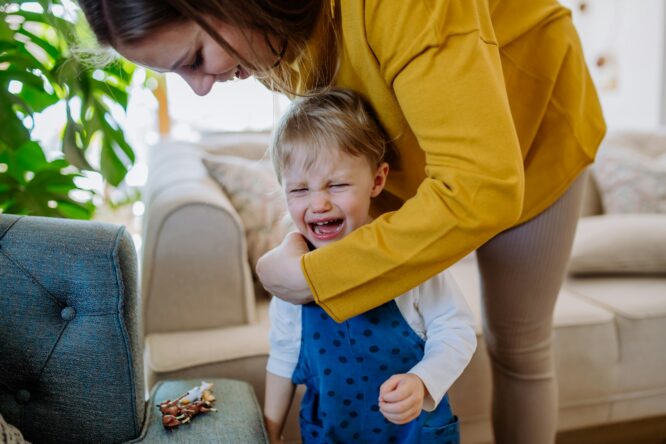
Inconsistent affection teaches children that love is unpredictable. They grow up unsure if they’ll be cared for, which can lead them to chase connection wherever they can find it.
You’ll often see this play out as restlessness in relationships. Creating stability as an adult helps break the cycle of searching endlessly for reassurance in different places.
5. Growing up in high conflict households
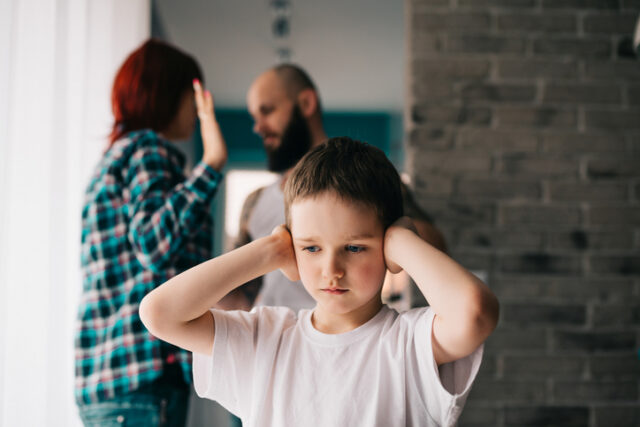
Constant fighting teaches children to see relationships as unstable or hostile. This can make them more likely to escape into secrecy or look for comfort outside when conflict arises in their own lives.
Many people later realise conflict doesn’t have to equal chaos. Learning healthier communication and problem-solving makes it easier to stay within the relationship rather than run from it.
6. Having boundaries ignored

When a child’s boundaries are constantly dismissed, they don’t learn how to protect or respect them. As adults, this confusion can blur the lines of fidelity and make betrayal easier to justify.
Most people who face this need to relearn boundaries. Valuing personal limits and respecting those of other people strengthens relationships and prevents the lines from being crossed so easily.
7. Being overly rewarded for charm

Some children are praised more for being charming than for being genuine. This can teach them to lean on charisma and external approval rather than building deeper connections.
Plenty of adults later see the downside. Learning that true intimacy isn’t built on charm alone helps keep relationships stable instead of shallow and vulnerable to cheating.
8. Growing up with secrecy in the home

Homes filled with secrets create an unhealthy blueprint. When children see hidden behaviour normalised, they may view secrecy as acceptable or even necessary in close relationships.
Breaking this means choosing openness as an adult. Practising honesty in daily life helps counteract those early lessons and builds relationships grounded in transparency instead of concealment.
9. Feeling pressured to meet unrealistic expectations

Children who grow up constantly trying to live up to impossible standards may develop a double life. They learn to perform one role while hiding their real feelings underneath.
That double life can later spill into relationships. Releasing the pressure to be perfect allows for honesty and closeness rather than secrecy and escape through cheating.
10. Experiencing instability or frequent moves

Children who are always uprooted may learn not to attach too deeply. That avoidance can turn into a pattern of keeping options open, even when in committed relationships.
Most people benefit from recognising this link. Building roots intentionally helps undo the pattern of detachment and reduces the pull toward infidelity when things feel uncertain.
11. Being praised for independence too early

Children who are pushed to be “grown up” too young may struggle with vulnerability. As adults, they can avoid dependence and look for side connections that feel easier than full intimacy.
Noticing this tendency makes change possible. Allowing yourself to lean on a partner without shame builds healthier, stronger bonds that don’t need outside substitutes.
12. Growing up in environments without accountability

If consequences were rare or inconsistent, children learn they can get away with things. That belief can carry forward and make cheating seem like something they can hide without real fallout.
Adulthood works differently, and recognising that matters. Relationships thrive on accountability, and facing mistakes directly is what keeps them from repeating in damaging ways.
13. Being exposed to constant instability in caregivers

When the adults in a child’s life are unreliable, trust doesn’t come easily. This lack of security can create attachment issues that later show up as unfaithful behaviour.
Plenty of adults work through this by building stability themselves. Choosing partners who value consistency helps heal those old wounds and prevents repeating the same pattern.
14. Growing up with mixed messages about commitment

If children are taught that commitment is optional or unimportant, the message sinks in. They may see loyalty as flexible, which makes cheating more likely down the line.
Awareness is the first step to changing this. Defining commitment clearly in adulthood and sticking to it helps break the influence of those confusing early lessons.