Volunteering isn’t just about doing something good for other people.
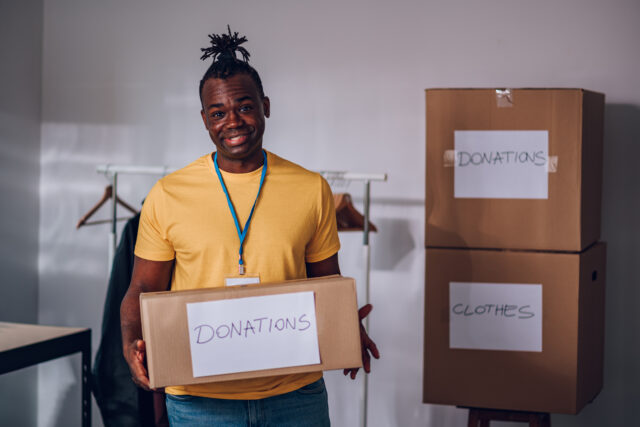
It’s also one of those rare things that quietly gives something back to you, too. It fills spaces you didn’t know were empty. It connects you to people, gives your days shape, and adds meaning that’s hard to find in a world that often feels self-focused and rushed.
It’s easy to underestimate how much helping out, even in little ways, can change your mood, your energy, and your sense of belonging. When you show up for a cause, a community project, or even one person who needs a hand, you start to see life from a wider lens. You realise you can make an impact without needing money or a huge amount of time. All you need is a bit of consistency, compassion, and a willingness to show up.
Here’s how volunteering ends up improving far more than the lives of the people you help.
It gives you an instant sense of purpose.
When you volunteer, you stop being a bystander in your own community. You become part of something bigger than yourself, whether it’s a charity, a cause, or simply a group of people who care enough to do something. That sense of belonging can lift you, especially if your daily routine feels repetitive or uninspired.
Purpose isn’t about chasing grand achievements; it’s about feeling useful. Even small tasks like serving tea, planting trees, or walking rescue dogs can remind you that what you do matters to someone. That quiet sense of meaning makes the tougher days in life easier to handle.
You meet lots of new people.
Modern life can feel insular. Most people spend their time with colleagues, friends, or family in the same circles, having the same conversations. Volunteering breaks that pattern. It brings together people from different generations, backgrounds, and perspectives who all care about the same thing.
You end up with friendships that aren’t based on convenience, but on shared values. You learn new stories, laugh with strangers, and start to feel like part of a real community instead of living parallel lives with the people around you.
Your confidence naturally grows.
Volunteering has a way of showing you what you’re capable of, often without you realising it. Whether you’re helping organise an event, mentoring someone, or simply lending an ear, you start noticing strengths you didn’t give yourself credit for.
That quiet confidence starts to spill into other parts of life. You find yourself speaking up more, handling challenges with less fear, and recognising that you actually bring something to the table, and always did.
It breaks up routine.
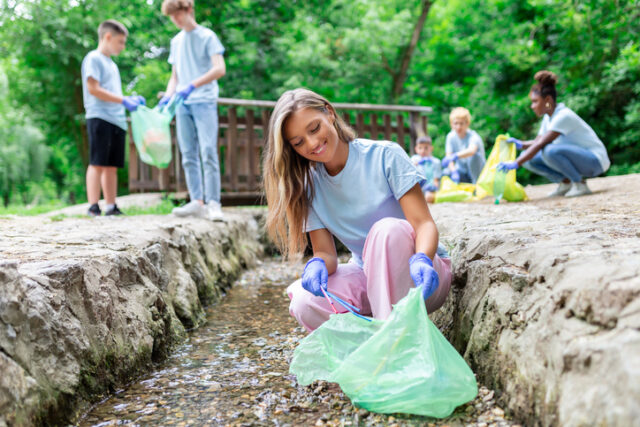
When every week feels like a loop of work, chores, and scrolling, volunteering is a breath of fresh air. It gets you out of your usual bubble and gives you something to look forward to that isn’t about deadlines or bills.
That break in pattern matters. It re-energises you, adding variety and spontaneity back into life. Even spending a couple of hours a month helping out somewhere new can reset your head and make the week feel fuller and more balanced.
You find it a lot easier to be grateful in life.
It’s not about pity; it’s about perspective. When you see the challenges other people face, it quietly shifts your focus. The things you complain about or take for granted start to look smaller, and you naturally become more thankful for what you have.
That transition towards gratitude changes your mood and outlook. You stop living in a state of constant “not enough” and start noticing the good already around you. It’s grounding in the best possible way.
Your stress levels go way down.
Helping someone else pulls you out of your own head. For a while, your thoughts stop circling around your own problems and focus on something practical, something bigger. That simple act of stepping outside yourself resets your brain more effectively than any productivity trick ever could.
As time goes on, that effect builds. Volunteering becomes a natural kind of therapy, and it’s one that doesn’t involve talking about stress, but quietly easing it by shifting perspective.
You gain fresh perspective.
When you volunteer, you’re often exposed to people living very different lives to your own. You start to see resilience in places you hadn’t looked before. You begin to understand struggles that once felt distant. It broadens your empathy and makes you a little more patient, both with other people and with yourself.
That bigger view of life makes your own world feel richer. It reminds you that life isn’t just about personal comfort or achievement. It’s also about shared humanity, and that’s something we all need to feel grounded.
You build a lot of new skills without even realising you’re doing so.
Volunteering doesn’t just give emotional rewards; it also sharpens real-world skills. You pick up teamwork, problem-solving, time management, and communication simply by doing. Plus, because there’s less pressure than in work, you often learn more freely.
Those skills spill into everyday life. You become a better listener, more patient in conflict, more adaptable at work. The growth is subtle but lasting, and it comes without the grind or performance anxiety that usually accompanies self-improvement.
You feel part of a community.
Volunteering roots you in a place. You start recognising faces, knowing names, and seeing the same people regularly. As it happens, they’re people who care about the same things you do. That sense of connection is rare these days, but it makes a massive difference to your mental health.
You stop feeling like you’re just “living in an area” and start feeling like you belong there. When things happen locally, good or bad, they matter more because you’re part of it. That’s how community starts: by showing up.
You feel happier from even the tiniest wins.
Volunteering teaches you that fulfilment isn’t about dramatic results. Sometimes it’s the smallest moments like making someone smile, calming someone’s nerves, or helping a cause run smoothly that stay with you the longest.
Those moments build a kind of slow, steady joy that doesn’t depend on big milestones. It’s grounded in the day-to-day satisfaction of doing something kind and real, and it’s far more reliable than chasing happiness elsewhere.
It creates a sense of balance.

Work, bills, and responsibility can easily swallow your weeks whole. Volunteering pulls you in the opposite direction, towards generosity, connection, and time spent doing something that doesn’t benefit you directly.
That balance protects you from burnout. When your life includes giving back as well as striving forward, you feel more complete. The stress doesn’t vanish, but it stops being the only thing you feel.
You discover passions you didn’t know you had.
A lot of people stumble into volunteering by accident, say when they’re helping a friend or joining a community day. As a result, they end up finding something that they’re passionate about. Sometimes it’s animals, sometimes it’s mentoring kids, sometimes it’s environmental work. You never know what part of yourself you’ll uncover until you try.
Those small discoveries can end up shaping your future choices, career paths, or hobbies. Volunteering gives you the freedom to experiment without pressure, and to learn what genuinely excites you again.
It boosts overall wellness.
There’s science behind the so-called “helper’s high.” Volunteering triggers dopamine and oxytocin, the same feel-good chemicals linked to happiness and connection. However, it’s not just a temporary buzz. People who volunteer regularly often report longer-lasting improvements in mood and resilience.
It’s not just about feeling good in the moment; it’s about cultivating a general sense of optimism and balance. You walk away lighter, not because everything’s perfect, but because you’ve been reminded that what you do matters.
You leave a positive mark on the world.
It’s easy to feel like one person can’t make much difference, but volunteering quietly proves that wrong. The small, consistent effort you put in ripples out to a person, a place, a cause. You might never see the full effect, but it’s there.
That knowledge sticks with you. It gives life a layer of meaning that no pay rise or purchase can replace. Volunteering reminds you that your time, presence, and effort count, and that giving even a little can change more than you think.