Sometimes you don’t realise how much you’ve been through until something small hits a little too hard.

Damage doesn’t always show as breakdowns or chaos. Often, it hides behind habits that look normal. Here are the signs you might be more hurt than you think. There’s no shame in it, but you have to acknowledge it if you actually want to start to heal from it.
1. You struggle to believe good things will last.

When something feels safe, your mind immediately prepares for loss. You start scanning for the moment it will end because disappointment feels more familiar than calm. That deep-seated fear makes happiness uncomfortable. It’s not that you don’t want good things, it’s that your nervous system has learned to expect the fall before the rise even settles.
2. You minimise your own pain.

You brush off hurt with lines like “It’s fine” or “Other people have it worse.” You think you’re being strong, but really, you’re silencing yourself. Minimising pain doesn’t heal it. It only delays the release. Admitting something hurt doesn’t make you weak, it just means you’re finally telling yourself the truth.
3. You over-explain your every move.

When you’ve been blamed unfairly in the past, you learn to justify everything before anyone questions you. It’s exhausting but feels safer than being misunderstood again. Real healing starts when you stop apologising for existing. You don’t need to narrate your decisions to earn acceptance. Quiet confidence grows once you trust your own intent.
4. You downplay compliments or dismiss them entirely.

When someone says something kind, your instinct is to deflect. You might laugh it off, change the subject or correct them because praise feels foreign, not comfortable. That reaction shows how little space you give yourself for goodness. Letting a compliment land without shrinking is a small but powerful act of repair.
You confuse calm with boredom.

Peace feels strange after years of chaos. When nothing’s wrong, your mind looks for something to fix because you’ve learned to associate safety with stillness that can’t be trusted. If calm makes you restless, you’re not broken. You’re just detoxing from constant stress. With time, peace starts to feel like rest, not emptiness.
You automatically assume people will leave.

Even in solid relationships, part of you braces for the moment it ends. You test people, pull away or act indifferent just to soften the blow that hasn’t come yet. This isn’t manipulation, it’s protection. When you’ve been abandoned before, expecting stability feels dangerous. Learning to stay when things are good is quiet courage.
You apologise for existing.

“I’m sorry” slips out for things that don’t need an apology, such as taking up space, needing help, or asking a question. It’s a reflex built from years of walking carefully around other people’s moods. You’re not too much. You just learned to make yourself smaller to keep peace. The first step in healing is catching those unnecessary apologies and replacing them with calm assurance.
You don’t know how to relax around kind people.

When someone treats you gently, you wait for the hidden catch. Your brain looks for the trick because kindness has often come before pain. That guardedness isn’t paranoia, it’s pattern recognition. Over time, consistent care can retrain it. You’ll learn that not everyone’s warmth burns later.
You overwork to avoid thinking.

Keeping busy feels productive, but it’s often a distraction from emotions you don’t want to face. The quiet moments are where old memories surface, so you drown them out with motion. Real rest feels uncomfortable at first. Stillness brings up what’s been buried, but facing it slowly is how you finally stop running.
You find comfort in chaos.

When life feels calm, you might unconsciously stir things up just to feel normal again. It’s what happens when unpredictability once kept you safe. Healing means learning that calm doesn’t equal danger. The body needs to relearn what safety feels like, and that takes time and repetition, not perfection.
You struggle to accept help, even when you desperately need it.

You’d rather handle everything alone than risk being disappointed. Accepting help feels like a debt you might never repay, so independence becomes your armour. Letting someone help isn’t weakness, it’s rebuilding trust in connection. You deserve support that doesn’t come with strings, only sincerity.
You laugh at things that actually hurt.

Turning pain into humour feels safer than admitting it stings. It makes you seem strong and unfazed, but deep down, it’s your way of keeping control. You don’t have to joke everything away. Real strength is being honest when something cuts deep, instead of pretending it’s funny.
You forget what you truly want.

When you’ve spent years surviving, you lose touch with desire. You stop asking what you need because survival leaves no room for imagination. Healing starts with curiosity. You rediscover small wants first, whether that’s having a lie-in, practising a hobby, or watching your favourite show. Desire is how you remember who you were before the damage.
You feel tired even when you’ve rested.
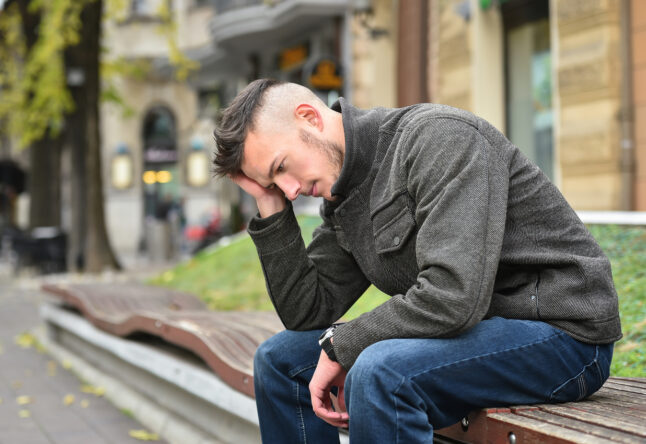
That exhaustion isn’t laziness, it’s emotional weight. Your body’s been carrying years of tension, scanning for danger long after it passed. When you finally feel safe, fatigue often surfaces. It’s your body exhaling after holding its breath for too long. Rest becomes real once you stop expecting to be alert all the time.
Healing isn’t dramatic, it’s subtle.

Most people expect healing to feel bright and sudden, but real recovery creeps in through gentler choices. You start sleeping better, speaking softer to yourself, and noticing when something no longer hurts. You might never erase the damage completely, but you can grow around it. Healing isn’t forgetting what happened, it’s learning it no longer defines who you are.