When it comes to divorce, the warning signs are usually there long before anyone says the word out loud.

They might start small, with distance, silence, or subtle changes in how your partner treats you. Maybe the arguments stop, but so do the laughs and the little gestures that used to come naturally. It’s easy to brush those things off as stress or routine, but as time geos on, they can point to something deeper. When someone’s already halfway out emotionally, their behaviour changes in ways that are hard to miss once you know what to look for.
1. They’ve stopped arguing with you.

When a partner who used to challenge you suddenly gives up on arguing, it’s not a sign of peace. It’s usually a sign they’ve stopped caring. Arguments, as unpleasant as they are, mean there’s still some emotional investment. They still want things to improve. When they stop fighting altogether, it often means they no longer see the point in trying.
You might notice they just agree with everything you say, or respond with a flat “fine” or “whatever you want.” It feels easier in the short term, but what’s really happening is emotional detachment. They’re disengaging because it no longer matters to them whether things change or not.
2. They’re making big decisions without consulting you.

Marriage is built on shared decisions, from money to holidays to family plans. When your spouse starts acting like those choices are theirs alone, something’s clearly changed. Maybe they book a trip without mentioning it, accept a new job without discussing it, or start rearranging finances in ways that affect both of you.
These aren’t just oversights. They’re signs that they’re mentally living as a single person again. Once someone stops considering how their choices impact you, it means they no longer see you as part of their long-term plans.
3. They’ve suddenly become very interested in their appearance.

It’s normal for people to want to look good, but when someone who hasn’t cared about their appearance for years suddenly starts reinventing themselves, it can mean something more. New clothes, gym sessions, or a completely different hairstyle are often a sign they’re preparing for a new phase of life, and that phase might not include you.
The change becomes more concerning if it’s happening in spaces where you’re not involved. If they’re making an effort for work events, nights out, or people you don’t know, it’s worth paying attention. When they no longer care how they look around you but go out of their way to impress other people, that contrast says a lot.
4. They’re spending more time away from home.

Suddenly, every evening is taken up with “extra work,” “new hobbies,” or friends you’ve never met. They seem busier than ever but never around you. That pattern often means they’re getting used to life without you in it.
When home starts to feel like the place they’d rather escape from, it’s a clear sign something deeper is wrong. If they return late, avoid shared plans, and seem almost relieved to be elsewhere, they might already be imagining what life would look like without the relationship.
5. They’ve stopped sharing details about their day.

You used to hear everything, from what annoyed them at work, to what made them laugh, to what they were thinking about. Now, it’s just one-word answers or vague comments. They’ve closed off, not because they have nothing to say, but because they no longer see you as their go-to person.
When someone starts keeping their world to themselves, it’s usually because they’re giving that emotional energy to someone else. It doesn’t always mean there’s another relationship, but it does mean they’ve replaced the closeness they once shared with you with something or someone else.
6. Physical intimacy has completely stopped.

Physical closeness often fades before emotional distance becomes obvious. You’ll notice the hugs stop, the hand-holding disappears, and they seem to avoid even casual touch. It’s not just less affection; it’s the absence of connection.
When someone flinches at touch or invents excuses to stay apart, their body is expressing what their words haven’t yet said. It’s one of the hardest changes to face because it feels so personal, but it’s also one of the clearest signs that love and comfort have been replaced by emotional detachment.
7. They’re unusually kind and agreeable.

A sudden burst of kindness might sound like a good thing, but sometimes it’s a sign of guilt. They might start doing nice things they’ve never done before: think cooking your favourite meal, buying thoughtful gifts, or being overly helpful around the house. It’s less about love and more about easing their own conscience.
You’ll feel the difference. The warmth will be missing, replaced with politeness. It’s the kind of niceness people show when they’re about to hurt someone and are trying to make it sting a little less. It feels hollow because, deep down, it is.
8. They’ve started organising finances separately.

When your partner suddenly becomes very private about money, alarm bells should ring. Separate bank accounts, new cards, or sudden conversations about “splitting bills differently” are often early steps in planning a life apart.
Financial separation is one of the biggest practical indicators that someone’s preparing to leave. If they’ve started moving money or setting up independent accounts, they’re already protecting themselves for what comes next.
9. They talk about the future without including you.

The way someone talks about their future tells you everything you need to know about where their head is. When they start saying “I might move,” or “I’ve been thinking of changing jobs,” and you’re nowhere in those plans, it’s a serious red flag.
It’s not that they’ve forgotten to mention you. It’s that they’ve stopped picturing you there. Once your partner begins imagining their future without you, emotionally they’ve already taken the first step towards leaving.
10. They’re suddenly very interested in your schedule.
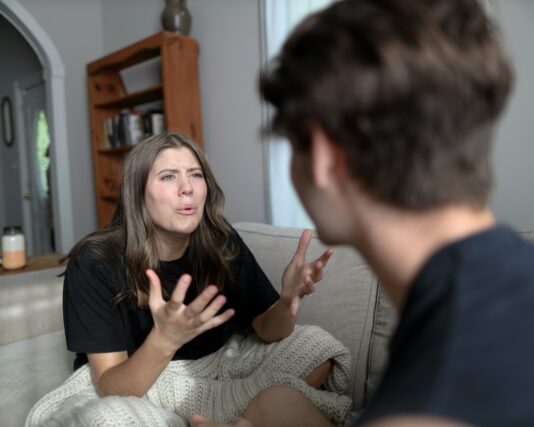
If your partner starts asking when you’ll be home or how long you’ll be out, it might sound thoughtful, but sometimes it’s about planning their own time around yours. They might be scheduling private conversations, secret meetings, or even speaking to a solicitor.
Pay attention if their questions feel more like information-gathering than genuine curiosity. When someone’s planning behind your back, they often need to know when they’ll have the house, and the privacy, to do it.
11. They’ve stopped trying to resolve problems.

Every couple hits rough patches, but when one person completely stops trying to fix them, it’s because they’ve already accepted the end. If your spouse refuses counselling, avoids serious conversations, or changes the subject every time things get heavy, they’ve emotionally checked out.
People who want to save a relationship keep fighting for it. When someone no longer sees the point, it’s because they’ve made peace with moving on. Silence, avoidance, and disinterest are all signs that they’ve mentally detached and are simply waiting for the right moment to make it official.
12. They’ve become emotionally distant with your family.

If your partner used to be close with your family and now avoids gatherings or stops checking in, they’re not just being moody. In all likelihood, they’re preparing for separation. Creating distance from your loved ones is a way of emotionally untying themselves from the life you’ve built together.
They might make excuses not to attend birthdays or family dinners, or they might act polite but withdrawn when they do. It’s part of making the eventual break easier for them because staying close to your family would make leaving much harder.
13. They’re protecting their phone obsessively.

If their phone suddenly has a new password, it’s always face down, or they take it into every room with them, something’s changed. That transition from openness to secrecy often points to conversations or plans they don’t want you to see.
It could be an affair, it could be texts with friends about their unhappiness, or it could be practical plans for separation. Whatever it is, the guarded behaviour is a clear sign that they’re keeping parts of their life away from you, and that trust has already started to disappear.
14. They’ve stopped saying “I love you.”

When those three words fade from daily conversation, it’s not usually an oversight. People stop saying “I love you” when it no longer feels true. You might notice they dodge the phrase or replace it with neutral responses like “you too” or “same here.”
It’s painful to notice, but it’s one of the clearest emotional changes there is. When affection becomes uncomfortable or forced, it means the feelings behind it have changed, even if they haven’t admitted it yet.
15. They’re suddenly very calm about the relationship.

Ironically, the final stage before a breakup often looks peaceful. Your partner might stop seeming angry or upset altogether. They’re no longer anxious about arguments or emotional distance because, in their mind, the decision has already been made.
That sudden calm isn’t reconciliation, it’s resignation. They’ve accepted that the relationship is ending, and that clarity gives them a sense of relief. While you might still be trying to fix things, they’ve already moved on emotionally.