Making your home more autism-friendly doesn’t mean a complete overhaul. Usually, all it requires is a few small changes that reduce sensory overload, increase comfort, and make routines feel more manageable. Whether you’re supporting a child, partner, or adult with autism, thoughtful tweaks can help create a calmer, safer, and more empowering living space.
1. Create calm, low-stimulation zones.
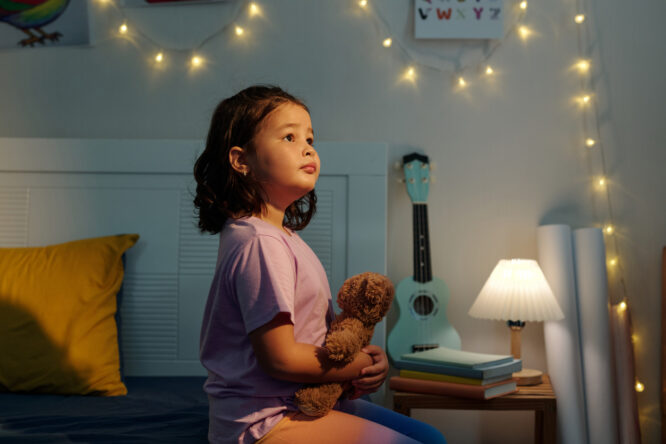
Designate at least one area of the home where there’s minimal noise, dim lighting, and a sense of privacy. This can be a bedroom corner, a quiet nook with soft furnishings, or even a tented space that feels safe and separate. The key is giving someone a spot they can retreat to when the world feels too intense.
Try to limit visual clutter in this zone—think soft tones, muted lighting, and a predictable layout. Avoid overstimulating colours or flickering screens, and add items that provide comfort, like weighted blankets, soft pillows, or familiar objects. This kind of environment gives the nervous system a break without needing to leave the house.
2. Use soft, adjustable lighting.
Bright or harsh lighting can be overwhelming for autistic individuals, especially fluorescent bulbs or lights that hum. Opt for warm-toned LED bulbs, dimmer switches, or smart bulbs that allow brightness to be adjusted throughout the day. Natural lighting is ideal, but not always practical. What matters is giving control over the light levels.
In bedrooms or chill-out spaces, consider soft lamps, salt lamps, or fairy lights instead of overhead bulbs. In shared areas, layering different lighting options—task, ambient, and accent—can make the environment more flexible depending on the moment. It’s not just about visibility, but how lighting affects stress and focus.
3. Limit strong smells and chemical cleaners.
Many people with autism have heightened sensitivity to smells, and strong chemical scents can trigger headaches, nausea, or sensory distress. Swap out heavily fragranced cleaning products, air fresheners, or detergents for more neutral or natural alternatives. Even subtle scents can linger and become overwhelming if they’re constant.
Look for low-scent or fragrance-free options when it comes to soap, laundry products, and surface sprays. Open windows regularly to air out rooms, and if scent is used (like essential oils), make sure it’s a choice, not a default. Scented environments should be optional, not inescapable.
4. Embrace visual schedules and labels.
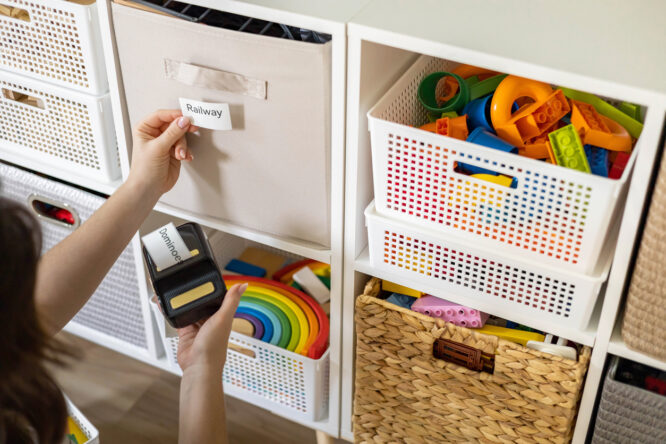
Clear visual structure can ease anxiety, especially for children or adults who thrive on routine. Use visual schedules, picture-based task lists, or labelled storage to help make expectations and options visible. This gives the brain one less thing to process and makes transitions smoother.
In shared areas like kitchens, pantries, or bathrooms, labels can help everyone know where things belong. You don’t need to turn the house into a classroom; simple icons or colour-coded systems can keep things easy to understand without being patronising. It’s about clarity, not control.
5. Reduce background noise as much as possible.
Noise can be a huge source of sensory stress. Try to minimise constant background sounds like ticking clocks, humming fridges, or noisy electronics. Carpets, curtains, and soft furnishings can absorb sound and reduce echo, which makes a big difference in how intense a space feels.
If complete silence isn’t possible, consider using white noise machines or calming playlists to mask disruptive sounds. For families, using headphones during loud activities or setting quiet hours can create a more manageable environment. The goal is to make noise levels feel predictable and optional.
6. Offer sensory tools within reach.
Having sensory tools easily accessible throughout the home gives people the option to self-regulate in the moment. This might include fidget toys, weighted lap pads, noise-cancelling headphones, or chewable jewellery. These aren’t toys; they’re tools for comfort and focus.
It helps to store these in clearly visible or dedicated baskets so they’re not out of sight, out of mind. Place them in rooms where overstimulation often happens, like living rooms or kitchens. When self-soothing tools are normalised and easy to grab, they’re more likely to be used effectively.
7. Respect the need for consistency.
Change can feel destabilising, so try to keep daily routines and the home layout consistent. Moving furniture, changing meal times, or rearranging personal items without warning can cause unnecessary stress. Where change is needed, give advance notice and involve the person as much as possible.
Consistency also applies to language, boundaries, and tone of voice. If rules or expectations suddenly change, it can feel chaotic. A home that stays mostly the same—with predictable rhythms and a familiar setup—builds trust and makes daily life feel safer.
8. Prioritise soft and sensory-friendly fabrics.
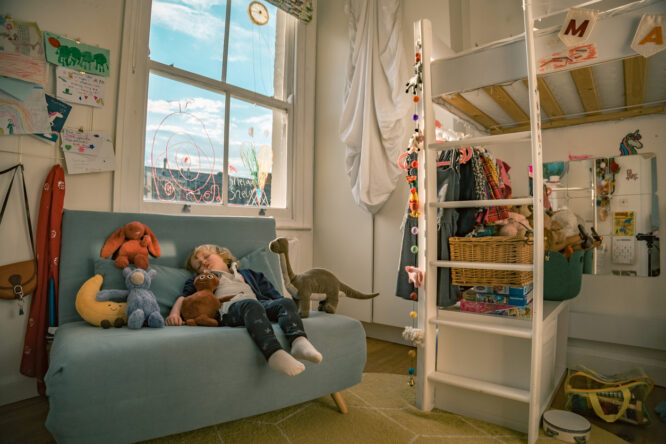
Clothing, bedding, and upholstery can all affect how comfortable a space feels. Tags, seams, rough textures, or synthetic fibres can be irritating. Wherever possible, opt for soft cotton, bamboo, or jersey fabrics that feel gentle against the skin.
Let people choose their own clothing, bedding, or blanket preferences rather than enforcing uniformity. Something as simple as a scratchy pillowcase can make winding down at night harder. Comfort should win over style when it comes to anything that’s in direct contact with the body.
9. Keep things predictable but not rigid.
Structure helps reduce anxiety, but being too rigid can backfire. Aim for routines that are consistent but flexible enough to adapt to bad days or spontaneous moments. A visual plan for the day is helpful, but it’s also okay to have “free time” blocks or backup plans for unexpected events.
Let the person have input in building their own schedule. Having a say in what happens, even within a structured framework, boosts autonomy. It’s about creating a home that feels like it works with someone’s needs, not one that demands constant adaptation from them.
10. Allow for personal space and control.
Everyone deserves a sense of ownership over their space, but it’s especially important in an autism-friendly home. Give each person a place where they can close the door, be alone, and choose what goes where. Even kids benefit from being able to personalise and control their environment.
This might mean letting someone rearrange their room, choose their lighting, or decide when they want company. Respecting personal boundaries, like knocking before entering or not touching someone’s things without asking—builds trust. When home feels like a place of choice, not just rules, it becomes much more supportive.