Social media promises connection and entertainment, but what it often delivers is comparison, insecurity, and intense self-doubt.

Scrolling through perfect photos and curated lives can make anyone feel like they’re not doing enough, achieving enough, or looking the way they should. It destroys your confidence in ways that you’re not even aware were possible until you step back and realise how differently you see yourself.
The problem isn’t just the apps; it’s how they’re designed. They feed off attention, reward validation-seeking, and make you measure your worth by likes and comments instead of real-life moments. It’s a subtle kind of damage that builds slowly, changing how you think, behave, and value yourself without you even noticing.
It doesn’t have to be that way, though. These are some of the ways social media can tear you down, and what you can do to fight back.
You think your life is rubbish compared to everyone else’s.
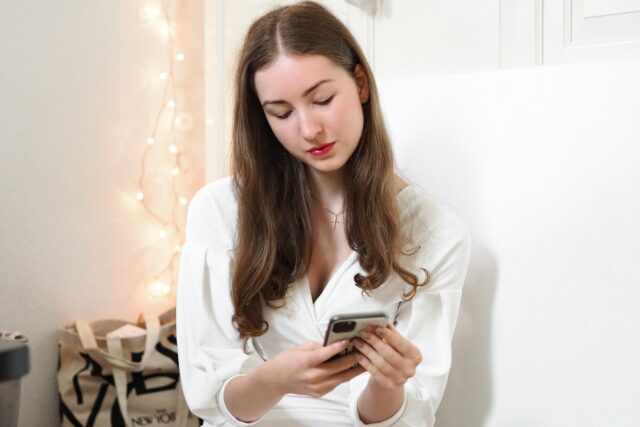
Scrolling through photos of perfect homes, holidays, and happy couples can make your own life feel flat. You end up thinking everyone else is more successful or attractive, which quietly chips away at your confidence.
It helps to remind yourself that social media shows edited and very carefully curated highlights, not real life. People rarely share their worries, arguments, or bad days. Remembering that helps you see those posts as moments, not full stories.
You care too much about likes and comments.
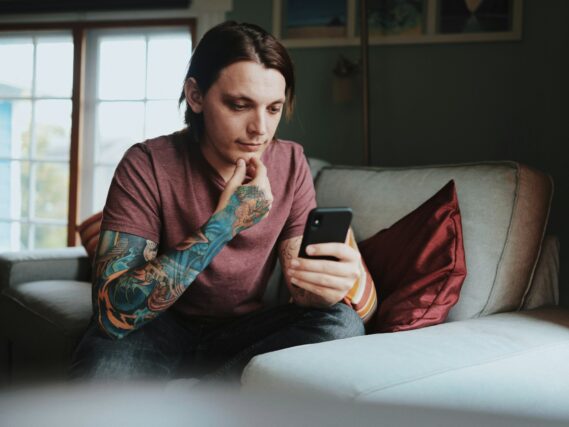
When your post gets fewer reactions than someone else’s, it’s easy to feel deflated. You start to see likes as proof of value, which turns validation into a daily obsession without you even noticing.
Try treating likes as simple engagement, not approval. Real connection happens through face-to-face moments, not screens. Once you stop checking for reactions, you’ll find your self-worth feels steadier and less fragile.
You change parts of yourself to fit trends.

It starts with small things like changing how you pose or speak online, but soon you’re adjusting your whole personality to fit what gets attention. You slowly lose track of what feels real to you.
Try sharing things that actually reflect who you are, not what’s popular. Authenticity doesn’t always attract big numbers, but it helps you feel more at peace. Staying genuine builds long-term confidence, not temporary approval.
You think everyone else is doing better than you.

Seeing other people’s success stories can make you feel stuck or behind. You start believing that you should’ve achieved more by now, even when you’re doing fine. It turns motivation into constant pressure.
Remember that social media rarely shows the full picture. Everyone posts when things are going well, not when they’re struggling. The truth is, most people are figuring life out just like you are.
You stop enjoying the moment.

It’s easy to get caught up in capturing everything instead of living it. You start thinking about angles and captions instead of how something feels, which slowly disconnects you from real experiences.
Put your phone away for a while when something nice happens. Let yourself enjoy it fully without needing proof. The memories you create that way will always mean more than anything you upload.
You downplay your own achievements.

When you see people constantly posting milestones, your own wins start feeling small. You tell yourself they’re doing something bigger or better, and that mindset stops you from appreciating your own progress.
Write down what you’ve achieved, even if it feels minor. Celebrate things that matter to you, not what looks good online. The more you acknowledge your own effort, the less you’ll crave digital applause.
You become dependent on filters.

At first, filters seem harmless, but they start changing how you see yourself. The more you use them, the harder it gets to feel comfortable with your real face, which can quietly damage self-esteem.
Try posting one or two unfiltered photos and notice how freeing it feels. People respond to honesty more than perfection. The more you show your real self, the easier it becomes to feel good in your own skin.
You forget who you are offline.

When you spend too long crafting a certain image online, you start performing that same version in real life. You begin feeling unsure which parts of you are real and which ones are just for show.
Spend a few days off social media and focus on what makes you feel grounded. Notice what you do, enjoy, and think when you’re not being watched. That’s the version of you that deserves attention.
You mistake engagement for real friendship.

Getting comments or messages online can feel like connection, but it often lacks depth. You might end up feeling lonelier because the constant small talk doesn’t fill the same space that real interaction does.
Try making plans with people you care about instead of just messaging. Real connection builds through shared time, not emojis. You’ll find your confidence grows naturally when you’re surrounded by genuine warmth.
You start scrolling without even realise you’re doing it.

You pick up your phone for a minute, then suddenly half an hour’s gone. The habit creeps in without thought, and before long, you’re scrolling through other people’s lives instead of living your own.
Setting small boundaries can help, like leaving your phone in another room for a bit. The less you reach for it automatically, the easier it becomes to reconnect with your own thoughts and rhythm.
You feel pressure to share everything all the time.
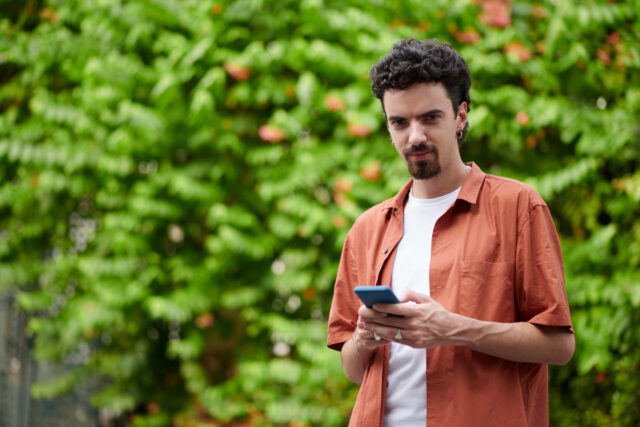
After a while, posting becomes automatic. A good meal, a nice walk, or a night out all start feeling incomplete unless you share them. That habit slowly turns private joy into public performance.
Keep some things just for yourself. Not every moment needs to be online. When you hold certain memories close, they stay more meaningful and help you feel connected to your real, offline life again.
You overthink how people see you.

Years of posting make you feel like you’re constantly being watched. Every caption or photo feels risky, so you start filtering your words to keep people happy. That fear bleeds into real life, too.
Before posting, pause and ask why you’re sharing something. If it’s for connection or fun, that’s healthy. If it’s for approval, maybe skip it. You’ll notice how freeing it feels when validation stops leading the way.
You confuse popularity with self-worth.

When your follower count or engagement grows, it feels exciting, but it can also become a trap. You start measuring your value in numbers, forgetting that they don’t actually reflect real confidence or kindness.
Focus on what gives you lasting pride, like learning something new or showing up for people who matter. Real value comes from how you treat yourself and other people, not how many strangers double-tap your post.
You forget that life existed before social media.

It’s hard to imagine now, but people once lived without sharing every detail online. There was more peace, more presence, and far less pressure to compare. That simplicity is still possible if you reach for it.
Try unplugging for a weekend and do things just because you want to. Cook, walk, laugh, or rest without documenting it. Reconnecting with that slower rhythm reminds you who you are underneath it all.