There’s a massive difference between being a loner and simply having a high standard for how you spend your time.
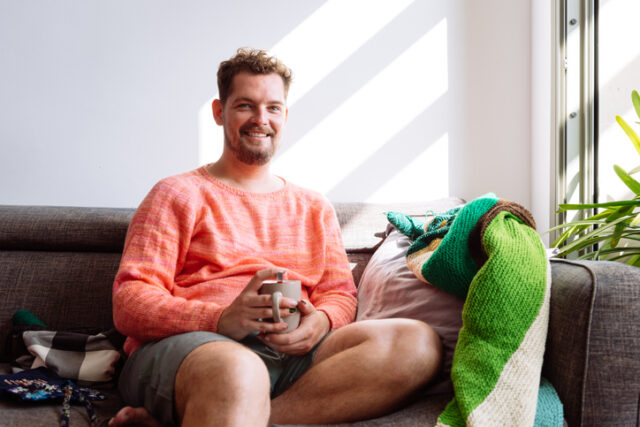
For people who genuinely love their own company, being alone isn’t a fallback plan or a sign of being antisocial; it’s a necessary part of keeping their head straight. It might seem a bit odd to people who need constant noise and validation, but it’s actually about protecting a sense of peace that most people never manage to find. It shows up in the way you guard your weekends like a hawk, your refusal to answer the phone unless it’s absolutely necessary, and the fact that you find a rainy night in with a book infinitely more rewarding than a loud night out.
You’re not hiding from the world; you’re just being selective about when you choose to engage with it so that you don’t end up feeling completely burnt out by other people’s drama.
1. They create elaborate rituals around their alone time.

People who cherish their personal space often develop specific routines to make the most of their solo time. Maybe it’s making their favourite tea or coffee, setting up a cosy reading nook, or practising a particular hobby. These rituals become a really important part of their day, providing comfort and a sense of control over their environment.
2. They’re masters of politely declining invitations.

While they may enjoy social interactions, they’ve also perfected the art of saying “no” to events or gatherings that might encroach on their alone time. They’ve learned to decline invitations without causing offence, often by expressing genuine appreciation for the invite while firmly maintaining their boundaries.
3. Their homes are carefully curated sanctuaries.

The living spaces of people who love their own space tend to be thoughtfully arranged to maximise comfort and functionality. Every item has its place, and the overall atmosphere is designed to promote relaxation and personal enjoyment. Their homes truly reflect their personalities and interests.
4. They have a knack for finding quiet spots in public places.

Even when out and about, they instinctively look for less crowded areas. They might have a favourite secluded table at a café or know the perfect time to visit a park when it’s least busy. This ability allows them to enjoy public spaces while still maintaining a sense of personal space.
5. They’re often early risers or night owls.

Many people who value their space take advantage of the quieter hours of the day. Whether it’s enjoying the tranquillity of early mornings or relishing the peace of late nights, they structure their schedules to maximise uninterrupted alone time.
6. They have a deep appreciation for silence.

Unlike those who constantly need background noise, they often embrace silence. They find it calming and conducive to clear thinking. This doesn’t mean they never enjoy music or ambient sounds, but they’re comfortable with and often prefer quiet environments.
7. They’re excellent at setting and maintaining boundaries.
People who love their own space are typically adept at communicating their needs to other people. They’re clear about when they’re available for socialising and when they need time alone. This skill helps them maintain healthy relationships while still preserving their solitude.
8. They often have boundless creativity and imagination.

Spending time alone allows these people to develop deep inner worlds. They might be avid readers, creative thinkers, or philosophical ponderers. Their alone time is often spent in reflection, imagination, or engaging with ideas that fascinate them.
9. They’re selective about their social circle.

Rather than having a large group of acquaintances, people who value their space tend to cultivate a smaller, closer-knit group of friends. They prioritise quality over quantity in their relationships, choosing to spend time with people who understand and respect their need for solitude.
10. They’re often highly self-sufficient.

Years of enjoying their own company have made them quite self-reliant. They’re often skilled at handling various tasks independently, from home repairs to cooking elaborate meals for one. This self-sufficiency contributes to their comfort with solitude.
11. They have go-to excuses for leaving social events early.

While they may enjoy socialising, those who love their space often have a repertoire of polite excuses to leave gatherings when they’ve had enough. These might range from early morning commitments to needing to feed a pet, allowing them to exit gracefully when their social battery runs low.
12. They’re experts at entertaining themselves.

Boredom is rarely an issue for people who love their own space. They’ve cultivated a variety of interests and hobbies that they can enjoy alone, from gardening to painting to learning new skills online. Their ability to keep themselves engaged contributes to their comfort with solitude.
13. They often prefer text-based communication.

Many people who value their space find texting or emailing preferable to phone calls or video chats. These asynchronous forms of communication allow them to respond at their own pace and maintain a sense of personal space even in digital interactions.
14. They have a keen awareness of their energy levels.

People who love their own space are often highly attuned to their own mental and emotional states. They recognise when they need to retreat for some alone time to recharge, and they’re proactive about ensuring they get this time before becoming overwhelmed or irritable.
15. They’re comfortable with dining alone.

While many people feel awkward eating by themselves in public, those who love their space often enjoy solo dining experiences. They might bring a book, people-watch, or simply savour their meal without feeling the need for conversation.
16. They have strategies for creating personal space in shared environments.

Whether it’s at work or in a shared living situation, they find ways to carve out a sense of personal space. This might involve using headphones, creating physical barriers with plants or furniture, or establishing clear “do not disturb” signals.
17. They’re often mistaken for being aloof or antisocial.

People who value their space may sometimes be misunderstood by people who have different social needs. However, they typically aren’t avoiding people out of dislike; they simply require more time alone to feel balanced and content.