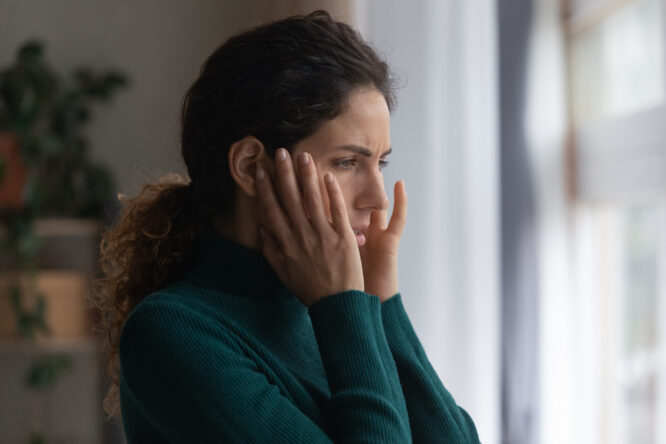
Culture shock happens when you move into a new environment and the differences feel overwhelming. It’s more than just noticing unusual foods or new routines. It can affect your emotions, energy, and confidence in surprising ways. Here’s why it can impact you on much deeper levels than you ever would have expected.
1. The familiar suddenly disappears.
One of the first shocks comes from losing the everyday patterns you’ve always taken for granted. Things like how people greet each other, what food is common, or even small routines such as shopping feel different, and the disruption can feel disorientating.
Because the familiar anchors you without you realising, losing it all at once can leave you feeling unsteady. Adjusting to a new set of norms takes more energy than you expect, and it can make even simple tasks feel exhausting.
2. Language barriers add extra stress.
Even if you’ve studied the language before, using it in everyday situations is often harder than expected. Accents, slang, and speed can make conversations confusing, which can lead to feelings of isolation and frustration. While you may pick up words as time goes on, the early stages can make you feel like a child again, struggling to express yourself. That gap between what you want to say and what you can say can amplify culture shock significantly.
3. Social rules are unfamiliar.
Every culture has unspoken rules about politeness, body language, and timing. When you don’t know them yet, you risk unintentionally standing out or making mistakes, which can feel embarrassing and increase the sense of being an outsider. Learning these rules takes time and observation, and until you do, socialising can feel like walking through a maze blindfolded. This adds an extra layer of pressure and makes adapting feel slower than you’d like.
4. Everyday tasks take longer.

Things you barely think about at home, such as buying groceries, catching transport, or paying bills, suddenly feel like challenges. Because systems differ, what once took minutes can now take hours as you figure out new ways of doing things. The constant learning curve wears you down. When you’re spending more energy on basics, it leaves you with less energy for fun or exploration, which makes the adjustment feel heavier than you might expect.
5. Homesickness can surprise you.
Even if you’re excited about your new surroundings, missing home often creeps up unexpectedly. The absence of friends, family, or familiar comforts like food and humour can trigger waves of sadness, even if you thought you were fully prepared. That mix of emotions is normal, but it adds another layer to culture shock. Missing home isn’t a weakness, it’s a natural response to losing the comfort of the familiar while adjusting to something entirely new.
6. You may question your identity.
When you’re in a new culture, you often see yourself differently because you’re suddenly viewed through fresh eyes. What felt normal at home might be unusual elsewhere, and this contrast can make you rethink who you are and where you belong. While the process can feel unsettling, it’s also an opportunity to grow. By reflecting on how people see you, you often learn more about yourself, even if the initial stage of questioning feels uncomfortable.
7. Relationships take time to build.
Making friends in a new culture is rarely instant, and it can feel lonely when you don’t have the same support system you had at home. Even casual chats can feel tricky if you’re unsure of local customs. This can make the first months harder because humans rely heavily on connection for comfort. As you gradually build relationships, the culture shock eases, but the early gap between needing support and finding it can feel sharp.
8. Your body reacts to the stress.

Coping with constant change isn’t just mental, it’s physical. The stress of adjusting can affect your sleep, appetite, and energy levels, which makes the whole process of adaptation feel even more draining. Recognising that your body is reacting to stress helps you understand why you feel so worn out. It’s not just the culture itself, it’s the invisible load of constant adjustment weighing on you.
9. Expectations don’t always match reality.
Many people imagine moving to a new culture as exciting and adventurous, which it often is, yet the harder moments aren’t always anticipated. The gap between your expectations and the reality of daily challenges can create disappointment.
That doesn’t mean you made a mistake. It simply highlights why culture shock feels heavier than expected because it mixes the thrill of change with the surprise of obstacles you didn’t fully prepare for.
10. Simple communication styles change, which can be jarring.
Things like humour, tone, or even what counts as politeness can vary widely. Jokes might fall flat, or a gesture you consider friendly could be read differently, which creates awkward moments you didn’t plan for. Because communication is such a big part of belonging, these small differences can feel huge. Until you adjust, you may feel clumsier than usual in social settings, which adds to the sense of being out of place.
11. Money habits look different a lot of times, too.
Even how people handle money can surprise you. Whether it’s tipping customs, bargaining expectations, or the pace of transactions, small differences can catch you off guard and add to the feeling of being out of sync. It may not sound like much, but these daily mismatches build up. They remind you constantly that you’re navigating new rules, which can make culture shock feel sharper than just a one-off surprise.
12. The adjustment takes longer than you think.

Many people expect culture shock to fade after a few weeks, yet it often takes months or even years to fully adjust. The emotional ups and downs don’t follow a tidy timeline, which can make you feel impatient. Understanding that the process is gradual helps ease the frustration. Adjustment comes in waves, and each small victory builds resilience, even if the overall journey feels slower than you’d hoped.
13. Eventually, it teaches resilience.
Although it’s uncomfortable, culture shock ultimately teaches you how adaptable you are. Living through the discomfort shows you that you can rebuild routines, relationships, and confidence in unfamiliar places, even if it feels overwhelming at first. By the time you adjust, you often find you’re stronger than you thought. Culture shock hurts in the moment, yet it shapes resilience that lasts long after the initial discomfort has passed.