When you’ve been alone for ages, being around people again can feel surprisingly overwhelming, even when it’s exactly what you’ve been craving.

Lonely people battle those feelings of isolation and disconnection constantly, so when they finally to spend time with people they get on well with and who show them attention, care, and consideration, their brains go a bit haywire. These are just some of the things they might do as a result.
1. They talk way too much or barely speak at all.

After spending weeks with only your own thoughts for company, suddenly having actual humans to chat with can make your conversation skills go haywire. You might find yourself rambling about everything that’s happened since you last saw people, or going completely silent because you’ve forgotten how small talk works.
Unfortunately, your social muscles have gone a bit rusty from lack of use. The chatty ones are making up for lost conversation time, but the quiet ones are overwhelmed by having to think of things to say again. Both reactions are totally normal when you’ve been out of practice with human interaction.
2. They agree with everything, even things they don’t actually agree with.

When you’re desperate for connection, disagreeing with people can feel risky, so you end up nodding along to opinions that don’t match your own views at all. You might find yourself saying “absolutely” to things you’d normally challenge, just because conflict feels too dangerous when you’re already feeling socially fragile.
People-pleasing mode kicks in because any human contact feels precious when you’ve been lacking it. You’re so grateful to be included that you don’t want to rock the boat, even over small things. When you’re lonely, you’ll take any sort of company, even if it’s not with people you particularly like.
3. They overshare personal details way too quickly.

Loneliness can make you forget about normal social boundaries, so you might find yourself telling near-strangers about your recent breakup, family drama, or mental health struggles within the first ten minutes of meeting them. Information that would normally take months to reveal comes tumbling out in the first conversation.
It’s not that you’re trying to be inappropriate, it’s more that isolation makes you crave real connection so badly that surface-level chat feels pointless. You want to skip straight to the meaningful stuff because small talk feels like a waste of precious human contact. Unfortunately, this can overwhelm people who aren’t ready for that level of intimacy.
4. They cling to plans and get upset when things change.

When social opportunities are rare, any change to plans can feel devastating. If someone suggests moving the pub meet-up or cancelling coffee, you might react more strongly than the situation warrants because each social interaction feels incredibly valuable when you’re not getting many.
That reaction comes from scarcity mindset. Basically, when you don’t have regular social contact, each opportunity feels irreplaceable. You might find yourself getting anxious about backup plans or feeling personally rejected when someone needs to reschedule, even though it’s probably nothing to do with you.
5. They stay much longer than everyone else.

When other people are checking their watches and making leaving noises, lonely people often find themselves reluctant to wrap up social gatherings. You might be the last one standing at parties or suggesting “just one more drink” when everyone else is clearly ready to head home.
Going back to an empty house after human contact can feel particularly harsh, so you try to stretch out the social time as long as possible. It’s like not wanting to leave a warm, cosy pub to go back out into the cold. The contrast makes the transition feel even more jarring.
6. They laugh a bit too hard at jokes that aren’t that funny.

When you’re grateful for any social interaction, everything feels funnier and more entertaining than it probably is. You might find yourself laughing loudly at mediocre jokes or being overly enthusiastic about stories that are just okay because your standards for entertainment have dropped during your solo time.
Overreaction happens because any social stimulation feels exciting when you’ve been starved of it. Think about it: food tastes amazing when you’re really hungry, right? Your appreciation is heightened by what you’ve been missing. The laughter is genuine, even if it’s disproportionate to the actual humour level.
7. They ask loads of questions, but struggle to answer them about themselves.

After being alone with your thoughts for ages, you might find yourself fascinated by other people’s lives and eager to hear about their experiences, jobs, relationships, and daily routines. But when the questions turn back to you, suddenly you feel like you don’t have much interesting to share.
Isolation can make your own life feel boring or irrelevant in comparison to everyone else. You’ve been living quietly, maybe working from home or not doing much socially, so your updates feel mundane. You’re much more interested in hearing about the outside world than discussing your own limited recent experiences.
8. They watch everyone’s reactions obsessively.

When social contact feels precious, you might find yourself hyperaware of everyone’s facial expressions, tone of voice, and body language, constantly checking whether people are enjoying your company or looking for signs that they want you to leave. Every yawn or glance at a phone gets analysed for hidden meaning.
Heightened awareness is a clear result of anxiety about social performance mixed with genuine gratitude for the interaction. You’re working extra hard to read the room because you don’t want to mess up a valuable social opportunity. Unfortunately, this overthinking can make you seem a bit intense or needy.
9. They bring up their loneliness within the first hour.

Despite knowing, it might make things awkward, lonely people often can’t help mentioning how isolated they’ve been feeling or how nice it is to finally see people again. It’s usually said casually, but it reveals how much the social contact means to them and how aware they are of their own isolation.
That honesty comes from a place of relief and gratitude, rather than looking for pity. When you’ve been struggling with loneliness, being around people again feels genuinely wonderful, and it’s hard not to acknowledge that contrast.
10. They remember every detail of previous conversations.

When you don’t have many social interactions, each one becomes quite memorable. You might reference things people mentioned weeks or months ago that they’ve completely forgotten, or ask follow-up questions about situations they barely remember discussing. Your excellent recall can sometimes make people feel awkward.
You remember things in detail because meaningful conversations are rare when you’re isolated, so each one gets properly filed away in your brain. What felt like casual chat to them was significant social contact for you, so naturally you remember it more clearly than they do.
11. They take photos of everything, even mundane group activities.

After spending time alone, being around people again can feel so special that you want to document every moment. You might find yourself taking photos of your coffee meet-up, the group at dinner, or even just people chatting because having photographic evidence of social contact feels important somehow.
These photos serve as proof that you’re not completely isolated and can look back on when you’re alone again. You’re collecting evidence of human connection to sustain you through the next period of solitude. The memories feel too precious not to capture.
12. They offer to help with absolutely everything.

When you’re grateful for social inclusion, you might find yourself volunteering to help with every little thing: offering to grab drinks, clean up, organise future events, or assist with tasks that people can easily handle themselves. You become almost aggressively helpful because you want to be useful and appreciated.
Eagerness to help is motivated by wanting to secure your place in the group and show how much you value being included. You’re also probably genuinely excited to have something social to contribute to after feeling useless during your isolated period. Unfortunately, it can sometimes come across as trying too hard.
13. They check their phone less than usual, but panic when other people do.
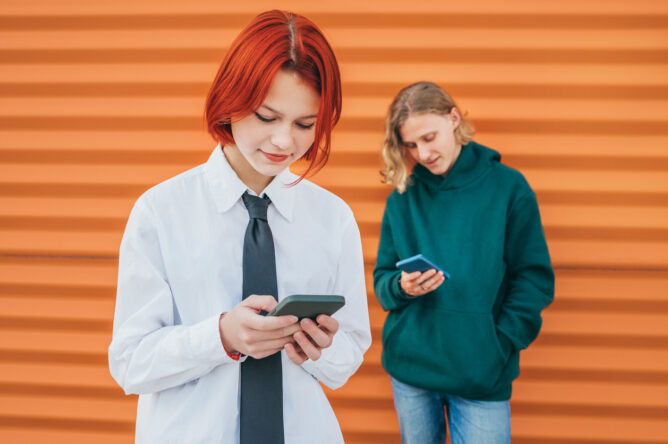
While you’re probably giving the group your full attention because human contact feels so valuable, you might feel a bit hurt or anxious when other people check their phones a lot. It highlights the difference between how much this social time means to you versus how routine it is for them.
This reaction reveals how differently you’re experiencing the same social situation. For you, this gathering might be the highlight of your week, but for them, it’s just another casual hangout. When they scroll through Instagram mid-conversation, it can feel like they’re taking the interaction for granted in a way you never would.
14. They suggest meeting up again before the current hangout is even over.

Before you’ve even finished your current coffee or dinner, you might find yourself suggesting future plans because you don’t want this social contact to end without knowing when the next one will be. You’re already thinking about when you can see these people again while still actively seeing them now.
Trying desperately to plan for the future is rooted in anxiety about returning to isolation without anything concrete to look forward to. When social opportunities feel scarce, securing the next one while you’re still in social mode feels really important. It’s like booking your next holiday when you’re still on the current one.
15. They seem almost relieved rather than just happy.

There’s something about the way lonely people interact in groups that goes beyond normal social enjoyment. It’s more like relief or gratitude than straightforward fun. You can see it in how they relax their shoulders, breathe deeper, or just seem to settle into themselves once they’re around other people.
That visible relief comes from the genuine stress that isolation creates. Being around people again doesn’t just feel good, it feels like coming home after being lost. The contrast between loneliness and connection is so stark that the relief is almost physical, like finally getting water when you’re really thirsty.