The purpose of school is to teach your kids important lessons that will serve them well in life.
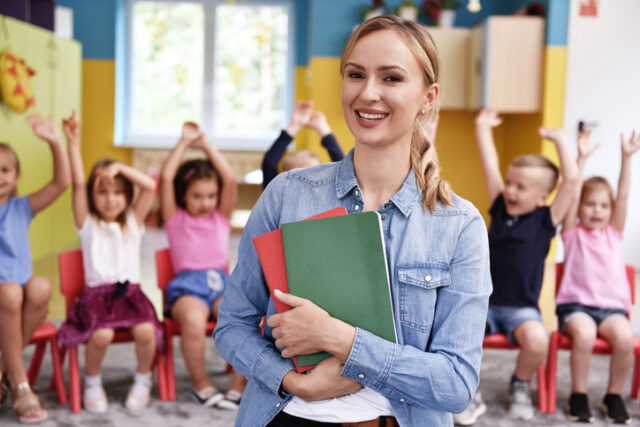
But while teachers can help children learn how to read, write, and do maths, some of life’s most important lessons don’t fit neatly into a curriculum. That’s where parents come in, guiding children through experiences no classroom can cover. These are the most important lessons you need to be teaching your kids if you want them to grow up to be happy, healthy, well-adjusted adults.
How to manage emotions

Schools can explain feelings in theory, but they can’t give kids the personal guidance to handle big emotions day to day. They definitely need help learning what to do when life feels overwhelming.
As a parent, you can show them coping strategies, whether it’s talking things out, taking breaks, or finding calming activities. Real support from you makes emotional lessons stick in ways textbooks never can.
The value of kindness

Teachers encourage good behaviour, but kindness isn’t something schools can fully teach. It’s more than manners in the classroom; it’s how children treat other people in real situations outside structured environments.
Kids learn kindness best when they see it at home. Showing empathy, helping people, and speaking with respect are daily examples they’ll carry with them into friendships, work, and every part of their future.
How to handle money

Schools might touch on maths, but most don’t teach practical money skills like budgeting, saving, or the reality of debt. Children often leave education without knowing how to manage personal finances effectively.
Talking openly about money at home helps. Explaining how bills work, involving them in budgeting, and showing the importance of saving teaches lessons they’ll use every single day once they’re independent adults.
Respect in relationships
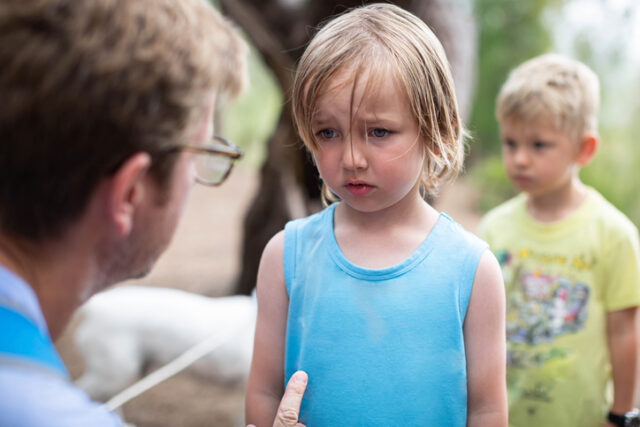
Lessons about respect exist in schools, but they don’t always cover the complexity of real relationships. Children won’t learn the full picture of trust, boundaries, or communication from short sessions in the classroom.
Parents can guide children by modelling respectful behaviour at home. Honest conversations about friendships, family, and even disagreements help them understand respect isn’t just rules, but how to treat people consistently.
Self-confidence and self-worth

Schools reward achievements like grades and test scores, but they can’t teach children to value themselves beyond performance. Confidence and self-worth aren’t built through marks on a report card.
Encouragement from parents makes the difference. When children know they’re valued for who they are, not just what they achieve, they develop a lasting sense of confidence that helps them face challenges later.
How to set boundaries

Boundaries are rarely explained in detail at school. Children might understand rules, but personal boundaries, like saying no or protecting their space, aren’t often taught in everyday lessons or classroom settings.
Parents can help children by reinforcing that it’s okay to speak up when something feels wrong. Practising boundary-setting in safe environments builds resilience and confidence that serves them well into adulthood.
How to bounce back and try again after failure
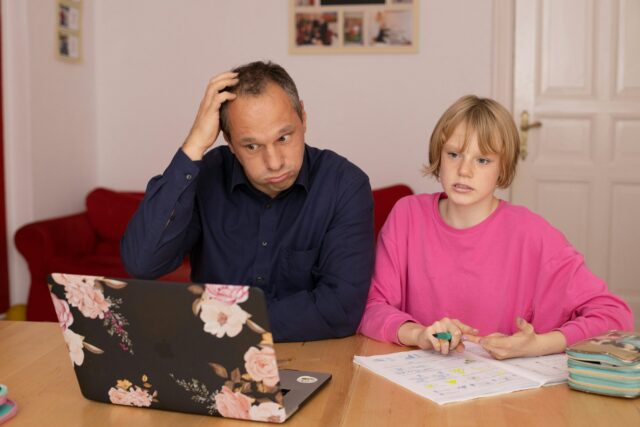
Schools talk about perseverance, but they can’t walk every child through personal setbacks. Failures in exams or playground issues aren’t the same as the wider struggles life will eventually throw their way.
Parents can help kids see setbacks as stepping stones rather than permanent defeats. Sharing your own mistakes, showing how you moved forward, and encouraging persistence teaches resilience in a more powerful way.
Critical thinking skills
Schools encourage learning, but often rely on memorisation. Critical thinking, questioning information, and learning to evaluate situations independently aren’t always prioritised in a busy classroom with limited time and resources.
Parents can help with this by encouraging curiosity at home. Talk about news, ask open-ended questions, and welcome debate. These daily conversations give children tools to think clearly and trust their judgement.
The importance of health

Schools might cover basic nutrition or exercise, but they can’t personalise it for every child. Healthy habits like balanced eating, good sleep, and active living require consistent reinforcement beyond the classroom.
Parents set the tone by modelling these habits at home. Cooking together, enjoying outdoor activities, and prioritising rest shows children that health isn’t just theory, but a practical part of everyday life.
Digital responsibility

Children grow up surrounded by technology, yet schools can’t fully teach responsible online behaviour. Digital choices, from social media posts to screen time habits, extend far beyond what gets covered in ICT lessons.
Parents can lead by setting limits and talking openly about online safety. Honest conversations about risks and respect online give children a clear guide to managing digital life responsibly and confidently.
How to embrace individuality

Schools often emphasise fitting in, following routines, and meeting expectations. That doesn’t leave much space for children to celebrate their uniqueness or feel comfortable expressing individuality without judgement from peers.
Parents can encourage individuality by supporting children’s passions, however unusual. Allowing them to explore interests, dress how they like, or voice opinions freely teaches them to feel proud of who they are.
Real-world problem-solving

Classrooms focus on structured problems with clear answers. Real life isn’t that simple. Children need to learn how to adapt, think on their feet, and navigate unexpected situations that don’t have straightforward solutions.
Parents can help by involving children in everyday problem-solving. Whether it’s planning a trip, fixing something at home, or making tough decisions, involving them builds practical confidence and adaptability for the future.
Gratitude for everyday things

Schools may encourage appreciation, but gratitude often gets overlooked in busy routines. Children don’t always stop to notice what they have when the focus is on exams, achievements, and moving through the school year.
Parents can shape this by celebrating small moments together. Simple habits like sharing daily highlights or thanking people help children understand the value of gratitude, creating a more positive perspective on life.
Balancing work and rest

Schools promote working hard, but don’t often highlight rest as equally important. Children grow up believing constant effort is the goal, without learning the value of balance for long-term wellbeing and success.
Parents can model healthy balance by showing when it’s time to work and when to rest. Demonstrating balance in daily routines helps children appreciate that downtime matters just as much as productivity.