Some people seem to go through life with ease, handling setbacks, building connections, and adapting as they go.

Others, no matter how hard they try, can’t seem to shake the weight of the past. Chances are, it’s not immaturity or self-pity; it’s psychology. The experiences you have as a child don’t just shape your memories; they shape your brain, your sense of safety, and your ability to trust. When those early years are marked by chaos, neglect, or pressure, they leave an imprint that adulthood alone can’t erase.
For some, that imprint shows up in anxiety that feels unexplainable. For others, it’s an urge to please, a fear of closeness, or a constant sense of not being “enough.” Childhood doesn’t stay in childhood, unfortunately. It travels with you, often hiding beneath everyday reactions and habits. This is why some people never really get over where they came from, even when everything in their adult life looks perfectly fine on paper.
Their needs were never consistently met.

When you grow up not knowing whether you’ll get comfort or criticism, food or chaos, your nervous system stays on high alert. That unpredictability becomes what you expect from life and relationships.
Sadly, that early instability doesn’t just fade because you’re an adult now. Your brain wired itself for survival in an unsafe environment, and those patterns run deep, showing up decades later in how you trust people and handle anything stressful.
They learned their feelings were wrong or dangerous.

Being told you’re too sensitive, too much, or that your emotions are inconvenient teaches you to shove down what you feel. You end up believing your internal experience isn’t valid or welcome, so you learn to bury it.
Suppression becomes automatic, but the feelings don’t disappear. They just go underground, surfacing as anxiety, numbness, or explosive reactions you can’t control because you never learned what to do with big emotions.
They were parentified too young.
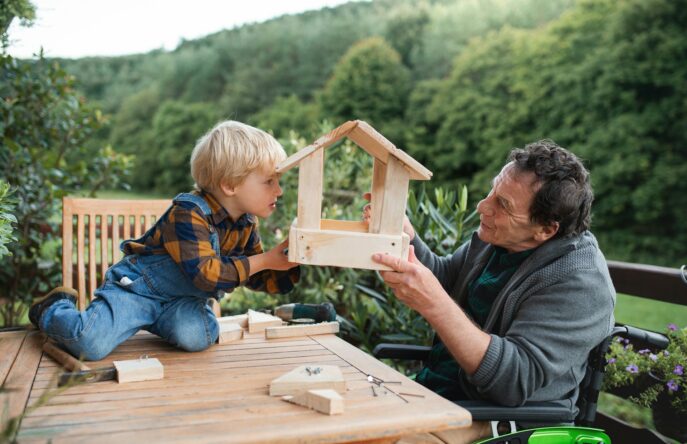
You became the caretaker, the mediator, the responsible one before you’d even finished being a child yourself. Your needs got shelved while you managed adults who should’ve been managing you.
The role reversal steals something you can’t get back. When you skip childhood to become a parent to your parents, you never learn who you are outside of looking after everyone else, and that follows you everywhere.
They experienced trauma without support to process it.
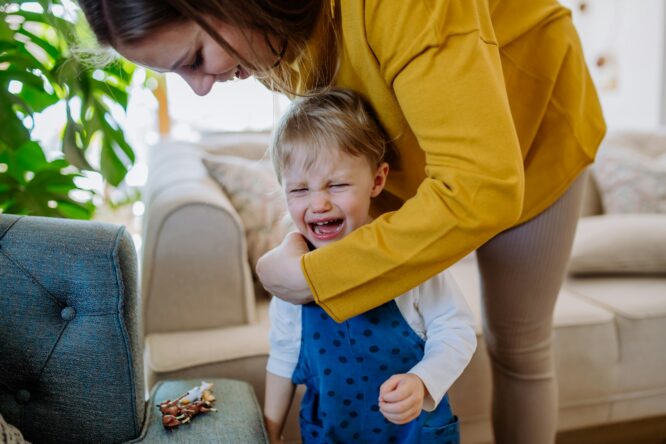
Something happened and no one helped you make sense of it. The trauma got locked away because there was nowhere safe to put it, no adult who could hold space for what you’d been through.
All that unprocessed stuff doesn’t age with you. It stays frozen at whatever age you were when it happened, getting triggered by present situations that echo the past, keeping you stuck in reactions that don’t match what’s actually happening now.
They never got to figure out who they actually are.

Your identity was based on pleasing everyone else, avoiding punishment, or staying invisible. You never got the space to work out who you actually are because survival required being whoever other people needed you to be.
Trying to overcome the lack of self becomes a lifetime struggle. Without knowing who you are at your core, you’re constantly shapeshifting to fit situations, never feeling authentic, always wondering why you can’t just be yourself when you’re not even sure what that means.
They learned that love was conditional.

Affection came with strings attached, performance required, good behaviour expected. You absorbed the message that you’re only worthy when you’re achieving, complying, or making everyone else happy.
That belief doesn’t update automatically. You carry it into adult relationships, convinced you have to earn love rather than just deserve it for existing, exhausting yourself trying to be enough for people who should love you as you are.
They were constantly criticised or compared to other people.

Nothing you did was good enough. There was always someone better, something you should’ve done differently, a reason your efforts fell short. That constant negativity became your internal voice.
Unfortunately, while that criticism doesn’t belong to you, it lives in your head now. It narrates your life with the same harsh judgement you heard growing up, making it impossible to feel proud or satisfied with anything you do.
They never felt safe enough to just be a kid.

Whether it was violence, addiction, mental illness, or just chaos, your home wasn’t stable. You were always scanning for danger, never able to relax into the security childhood needs to actually work.
As a result, vigilance becomes your default. Your body learned early that letting your guard down is dangerous, so even in safe situations now, you can’t fully relax because your system’s still waiting for something bad to happen.
They had to hide who they really were.

Being yourself brought punishment, rejection, or ridicule. You learned to hide parts of yourself that didn’t fit what was acceptable, creating a fake version just to get through each day safely.
The split becomes permanent if you’re not careful. You end up living from the mask you created for survival, disconnected from who you actually are, feeling like a fraud in your own life because the real you got buried so long ago.
They witnessed things children shouldn’t see.

Violence, substance abuse, mental health crises, adult relationships falling apart in front of you. You were exposed to things that overwhelmed your capacity to understand or cope with them at that age.
That exposure changes how you see everything. When you witness the worst of human behaviour as a child, it shapes how you see people and relationships forever, making trust and safety feel impossible even when they’re right there.
They were taught that their worth was transactional.

You mattered when you were useful, when you achieved something, when you made life easier for the people around you. Your value was tied to what you could provide, not who you were as a person.
The transaction model sticks hard. You can’t receive care or rest without feeling guilty because you’ve internalized the idea that you only deserve good things when you’ve earned them through productivity or being helpful.
They had no one to help them through big feelings.

When you were upset, scared, or overwhelmed, there was no calm adult to help you settle. You either had to figure it out alone, or your distress was met with more chaos and shouting.
That means you never learned how to soothe yourself properly. As an adult, big feelings still feel unmanageable because no one taught you they pass, they’re survivable, and you’re safe even when everything feels intense and scary.
They’re still waiting for an apology that’s never coming.

Part of you is stuck waiting for the people who hurt you to acknowledge what they did, to see your pain and validate it. That hope keeps you tethered to something that’s already over.
All the waiting is what keeps you stuck. Moving forward doesn’t require their acknowledgment or apology, but as long as you’re looking backward for something they can’t or won’t give, you can’t fully step into the life you deserve now.