
Body dysmorphic disorder is more than just being insecure about how you look or having occasional “fat” or “ugly” days.

It’s when your brain becomes obsessed with flaws that either don’t exist or are barely noticeable to everyone else, but feel absolutely huge and devastating to you. It can become so overwhelming that it overtakes your everyday life, affecting how you interact with other people and how you go out into the world (or retreat from it). Here’s what you need to know, and how to get help if you think you might suffer from this condition.
1. It’s not vanity or being shallow about your appearance.

People with BDD aren’t obsessed with looking perfect or being the most attractive person in the room, and they’re definitely not vain or superficial. Instead, they’re genuinely tortured by what they see as serious defects that make them feel hideous and ashamed.
The distress is real and intense, even when other people can’t see what they’re talking about or insist they look perfectly normal. It’s not desperately wanting to be beautiful, but rather about feeling fundamentally broken or wrong in some way.
2. You might spend hours checking mirrors or avoiding them completely.

Some people with BDD become obsessed with mirrors, checking their appearance constantly throughout the day and getting trapped in front of reflective surfaces for hours. Other people do the exact opposite and avoid mirrors entirely because seeing themselves feels too painful.
Both reactions come from the same place of being unable to see yourself accurately, and neither checking constantly nor avoiding mirrors helps with the underlying problem. The mirror becomes either an addiction or something to be scared of, rather than just a normal object.
3. The “flaws” you see are usually invisible to everyone else.

What feels like a massive, obvious defect to you is often something that other people genuinely cannot see or notice at all. You might be convinced your nose is enormous, while everyone else thinks it looks completely normal.
The disconnect between what you see and what other people see can make you feel crazy, or like people are lying to you when they say you look fine. The brain distortion that happens with BDD is real and powerful, but it doesn’t reflect reality.
4. It can focus on any part of your body.

BDD doesn’t just target obvious areas like faces or bodies, and it can fixate on absolutely any body part, including things like hands, feet, hair, skin, or even specific features like the shape of your ears or the size of your muscles.
The obsession can also jump around from one body part to another over time, or focus on multiple areas simultaneously. There’s no logic to what BDD decides to target, and the perceived flaws often change or multiply rather than staying consistent.
5. You might avoid social situations because of how you think you look.

BDD can make you cancel plans, skip work or school, or avoid dating because you’re convinced that your appearance is so awful that other people will be disgusted or horrified by seeing you in person. That isolation makes everything worse because you lose touch with normal social feedback about your appearance, and the lack of positive interactions reinforces the belief that you really do look as bad as you think you do.
6. Grooming and getting ready takes forever.
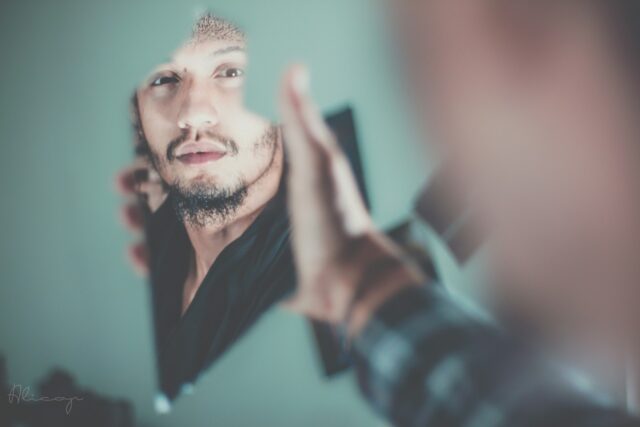
Simple tasks like getting dressed or doing your hair can turn into hours-long ordeals because nothing ever looks right or feels good enough. You might change clothes multiple times or redo your makeup repeatedly before giving up entirely.
It seems like perfectionism or taking pride in your appearance, but it’s really a desperate attempt to fix what feels like major defects that make you unpresentable to the world. The time spent getting ready becomes a source of stress rather than self-care.
7. You might try cosmetic procedures that don’t help.
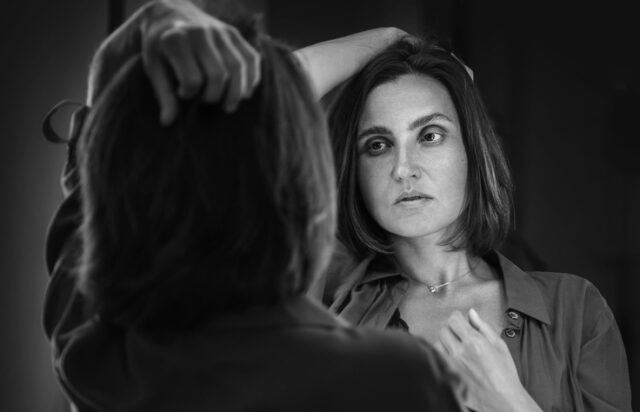
People with BDD sometimes pursue plastic surgery, dermatology treatments, or other cosmetic procedures to fix their perceived flaws, but these rarely provide lasting relief because the problem is in how the brain processes visual information rather than actual physical defects.
Even when procedures technically “improve” the targeted area, the BDD often just changes focus to something else or finds new problems with the same area. The underlying distortion doesn’t get fixed by changing your physical appearance.
8. It’s linked to anxiety and depression.

BDD rarely exists by itself and often comes with anxiety disorders, depression, or obsessive-compulsive tendencies that make everything feel more overwhelming and difficult to manage. The constant worry about appearance feeds into other mental health struggles.
The shame and isolation that come with BDD can trigger or worsen depression, while the obsessive thoughts about appearance create anxiety that extends beyond just how you look and affects other areas of life.
9. Social media and photo editing make it worse.

Constant exposure to filtered, edited, and carefully curated images online can fuel BDD by providing endless opportunities for comparison and reinforcing unrealistic beauty standards that nobody actually meets in real life. Taking and retaking selfies, using filters, or avoiding photos entirely can become compulsive behaviours that feed the obsession with appearance while providing temporary relief that doesn’t last and ultimately makes things worse.
10. It often starts during teenage years but can develop at any age.

BDD frequently begins during adolescence when everyone’s body is changing and social pressure about appearance feels intense, but it can also develop in adulthood triggered by life changes, trauma, or other stressful events. The earlier it starts, the more it can interfere with normal development and social experiences, but BDD that develops later in life can be just as disruptive to relationships, work, and overall quality of life.
11. Family and friends often don’t understand what you’re going through.

People who don’t have BDD might dismiss your concerns as vanity or try to reassure you by saying you look fine, but this often makes you feel more isolated because they can’t see what seems so obvious and distressing to you.
Well-meaning comments like “you’re beautiful” or “stop being so hard on yourself” don’t help because BDD isn’t something you can just think your way out of, and the distortion feels completely real even when you logically know other people see you differently.
12. Professional help really does work.

Therapy, particularly cognitive behavioural therapy, can help you learn to see yourself more accurately and develop healthier ways of thinking about your appearance. Some people also benefit from medication that helps with the obsessive thoughts and anxiety.
Treatment focuses on changing how you think about and respond to appearance-related thoughts, rather than trying to convince you that you look perfect. The goal is reducing the distress and interference in your life, rather than achieving some ideal appearance.
13. Getting help is the best thing you can do.

BDD tends to get worse over time without treatment, and it can seriously impact your relationships, work, school, and overall happiness. The sooner you get professional support, the easier it is to learn healthy coping strategies and start feeling better.
You don’t have to wait until things get really severe before seeking help, and you definitely don’t have to suffer in silence. Mental health professionals understand BDD and have effective treatments that can make a huge difference in how you feel about yourself and your life. If you need urgent help, you can text ‘SHOUT’ to 85258 at any time of day or night. Samaritans is also available 24 hours a day at 116 123.



