Emotional abuse might not leave visible marks, but it’s just as real, dangerous, and hurtful as physical violence.

When someone constantly puts you down, controls your every move, or makes you question your own reality, they’re slowly destroying your sense of self. It’s time we recognise that words and psychological manipulation can be weapons too. While some people might downplay it or insist it’s no big deal, here’s why emotional abuse is still so damaging.
1. It rewires your brain in some pretty messed up ways.

Your brain literally changes when you’re stuck in an emotionally abusive situation. The constant stress and fear trigger your fight-or-flight response so often that it becomes your default mode. You’re always on edge, waiting for the next criticism or explosion.
It makes it harder to think clearly, make decisions, or even remember things properly. Your brain gets so focused on survival that other functions suffer. That’s why victims often feel confused or struggle to trust their own judgement. Rather than weakness, it’s biology.
2. You lose your sense of reality.

Gaslighting is probably the cruellest trick in an abuser’s playbook. They’ll deny things they said, twist your words, or claim events never happened. As time goes on, you start doubting your own memory and perception of reality.
You might find yourself constantly second-guessing what you remember or experienced. The confusion is deliberate, and it isolates you from your own truth and makes you dependent on the abuser to define what’s real. It’s psychological warfare designed to keep you trapped and uncertain.
3. Your self-worth gets systematically destroyed.

Emotional abusers are experts at finding your vulnerabilities and exploiting them. They’ll criticise your appearance, intelligence, achievements, or anything else that might make you feel good about yourself. The constant negativity becomes the voice in your head.
After months or years of this treatment, you genuinely start believing you’re worthless, stupid, or unloveable. The abuser’s voice replaces your own inner dialogue. Having your self-esteem destroyed so thoroughly makes it incredibly hard to leave because you can’t imagine anyone else wanting you or treating you better.
4. Isolation cuts you off from support.

Abusers work hard to separate you from friends, family, and anyone who might offer perspective or support. They’ll create drama with your loved ones, demand all your time, or convince you that other people don’t really care about you.
The isolation serves multiple purposes. Specifically, it eliminates people who might challenge the abuser’s narrative, while making you completely dependent on them for social interaction. When you have no one else to turn to, leaving feels impossible. The abuser becomes your entire world, which is exactly what they want.
5. You’re walking on eggshells constantly.

Living with emotional abuse means you’re always trying to predict and prevent the next outburst. You analyse every word before speaking, monitor your behaviour constantly, and sacrifice your own needs to keep the peace.
Obviously, hypervigilance is exhausting and robs you of spontaneity and joy. You can’t relax or be yourself because you never know what might trigger their anger or disappointment. Your entire existence revolves around managing someone else’s emotions while your own get completely ignored.
6. It creates trauma bonds that feel like love.

The cycle of abuse—tension, explosion, reconciliation, calm—creates powerful psychological bonds. During the honeymoon phase, the abuser is charming, apologetic, and loving. Your brain floods with relief and even gratitude for this temporary kindness.
These intense emotional highs and lows mirror addiction patterns in your brain. You start craving those moments of relief and affection, even though they come at a terrible cost. That trauma bonding makes the relationship feel special or intense, rather than recognising it as manipulation.
7. Your physical health suffers too.
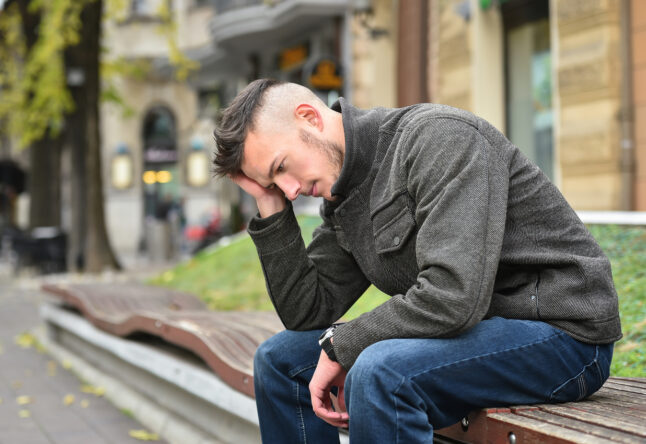
Chronic stress from emotional abuse wreaks havoc on your body. You might experience headaches, stomach problems, sleep disturbances, or a weakened immune system. The mind-body connection means psychological pain often manifests physically.
Many victims develop anxiety disorders, depression, or other mental health conditions that can persist long after the relationship ends. Your body keeps score of the trauma, even when your mind tries to minimise or forget it. These health impacts are real consequences that deserve recognition and treatment.
8. Financial control keeps you trapped.

Economic abuse often goes hand-in-hand with emotional manipulation. The abuser might control all the money, prevent you from working, or sabotage your career opportunities. They create financial dependency that makes leaving seem impossible.
Without access to your own resources, you feel stuck and helpless. The financial control extends their power over you and eliminates one of the most practical means of escape. It’s a deliberate strategy to maintain dominance while looking like their motive is to “take care of” you.
9. Children become weapons or shields.

If kids are involved, emotional abusers often use them to maintain control. They might threaten to take the children away, turn them against you, or use them as messengers for their manipulation. Children become pawns in the abuser’s game.
Even when children aren’t directly targeted, they’re still affected by witnessing the abuse. They learn unhealthy relationship patterns and may struggle with their own emotional regulation. The impact ripples through generations if these patterns aren’t recognised and broken.
10. You lose touch with your authentic self.

After constantly adapting to someone else’s demands and criticisms, you forget who you actually are. Your opinions, preferences, dreams, and personality get buried under layers of compliance and people-pleasing behaviours. Recovery means rediscovering yourself: remembering what you enjoy, what you believe, and what you want from life. This process takes time because you’ve been disconnected from your authentic self for so long.
11. The invisible wounds take longer to heal.

Society understands broken bones need time to heal, but emotional wounds are often dismissed as something you should just “get over.” The psychological damage from emotional abuse can take years to process and recover from fully.
Unlike physical injuries, you can’t see the healing progress or know when you’re “better.” There’s no cast to remove or scar to mark where the injury was. Because it’s so invisible, it makes it harder for other people to understand your experience and for you to validate your own pain.
12. It changes how you relate to other people.

Emotional abuse damages your ability to trust, communicate, and connect with people. You might become overly suspicious or, conversely, too trusting of the wrong people. Healthy relationships feel foreign and uncomfortable after abuse.
Learning to recognise red flags while still staying open to genuine love becomes a delicate balance. Many survivors struggle with intimacy, boundaries, and knowing what normal, healthy behaviour looks like in relationships. These skills need to be rebuilt from scratch.
13. Recovery is possible but takes time.

The good news is that brains are remarkably adaptable, and the same neuroplasticity that allowed abuse to damage you can also facilitate healing. With proper support, therapy, and time, you can recover your sense of self and learn to trust your own judgement again.
Recovery isn’t linear, and it’s not about “getting back to who you were.” It’s about becoming who you’re meant to be without someone else controlling your narrative. The journey is challenging, but recognising emotional abuse for what it is—real, serious harm—is the first crucial step towards healing.