
Kids have a way of finding joy in small things, from a puddle to a silly song.

As adults, that spark can feel harder to reach. Sure, we have actual problems to worry about, and endless responsibilities that can weigh heavily on even the most resilient human, but that doesn’t mean there’s no happiness out there for us. Here are ways to bring back some of that lightness you once had.
1. Notice the small details again.

Kids marvel at the tiny things adults overlook, like a snail on the path, a cloud shaped like a dragon. Relearning how to notice details invites a sense of wonder back into everyday life, making the ordinary feel magical again.
You can start by slowing down, paying attention on walks, or pausing to appreciate textures, smells, and sounds. The more you practise noticing, the more joy you’ll find hidden in places you usually rush past.
2. Let play have a place.

Play is central to children’s lives, but adults often relegate it to hobbies squeezed into spare time. Playful moments, whether through games, creative outlets, or just being silly, reawaken spontaneity and laughter that often feel buried.
Making space for play does not require hours. It can be five minutes of doodling, music, or conversation that has no agenda. Prioritising play reminds you that joy thrives when outcomes are not the focus.
3. Worry less about how you look.

Children dance, sing, or laugh without worrying about appearances. Adults often trade that freedom for self-consciousness. The constant concern about looking foolish blocks spontaneity and mutes joy that could have been simple and unfiltered.
Releasing that pressure means reminding yourself nobody is paying as much attention as you think. Allowing yourself to enjoy moments without performance reconnects you with the ease children move through life with naturally.
4. Make curiosity your guide.

Children ask endless questions, exploring not just what things are, but why they work. Adults often stop asking because they feel they should already know. That habit makes the world feel smaller and less exciting than it could be.
Rekindling curiosity can be as simple as reading about a new subject, asking questions, or trying unfamiliar activities. Curiosity keeps life fresh and invites joy through learning, not just achievement.
5. Let go of perfect outcomes.

Kids do not care if their sandcastles fall or if their drawings are messy they enjoy the act itself. Adults, on the other hand, often fixate on outcomes, which steals the fun from the process.
Reclaiming joy means embracing imperfection. Whether cooking, painting, or gardening, focusing on enjoyment rather than results makes the experience fulfilling in itself. Joy flourishes when the pressure to be perfect falls away.
6. Spend more time outdoors.

Children naturally gravitate to outdoor spaces, turning parks and gardens into adventure zones. Adults tend to see the outdoors as exercise or chores, overlooking the calming and uplifting effect of fresh air and natural light.
Even short walks can reignite that sense of freedom. Letting yourself sit under a tree, explore a woodland path, or watch birds brings back the unstructured happiness kids find so easily outside.
7. Laugh more often.

Laughter flows easily for children, even over the smallest jokes. Adults often reserve laughter for carefully chosen moments, dampened by seriousness or stress. The less often you laugh, the more joy feels out of reach.
Making space for laughter through friends, comedy, or even silly conversations breaks tension and brings perspective. Choosing to laugh more often softens life’s sharp edges and reminds you joy does not need to be complicated.
8. Give yourself permission to rest.

Children are given naps and bedtimes without guilt. Adults, however, feel lazy if they pause, even when exhausted. The lack of rest drains joy, leaving no room for the simple pleasures that thrive when energy is restored.
Honouring rest means treating it as essential, not optional. Allowing yourself to nap, pause, or enjoy a slow morning creates the same foundation children have, where energy supports their playful joy.
9. Use imagination freely.

Kids turn cardboard boxes into castles and sticks into swords. Imagination is central to their joy. Adults tend to suppress imagination, reserving it for children or artists, which removes a powerful source of fun from daily life.
Reintroducing imagination could mean creative writing, daydreaming, or simply making up silly stories. Giving it space lets you rediscover how imagination lightens even ordinary routines and sparks happiness from within.
10. Accept that joy is in the moment.

Children rarely dwell on yesterday or stress about next week. Their joy comes from being fully present. Adults often dilute joy by overthinking, missing the delight right in front of them because they are lost in past or future.
Practising presence, whether through mindfulness, breathing, or simply noticing what you are doing now, can bring joy back into focus. Moments become brighter when you meet them as they are, rather than as tasks to be completed.
11. Celebrate small wins.

Kids celebrate every achievement, whether it is drawing a picture or tying a shoe. Adults dismiss small wins as unimportant, which steals chances to feel proud and happy. The result is that joy gets reserved for rare, big successes.
Choosing to acknowledge small progress builds joy daily. Celebrating finishing a book, cooking a meal, or learning something new turns ordinary life into a series of joyful markers rather than a grind toward distant goals.
12. Share enthusiasm openly.

Children shout with excitement when they love something, but adults often mute their enthusiasm for fear of looking over the top. That restraint reduces connection and makes experiences feel less vibrant than they could be.
Allowing yourself to express excitement without shame invites joy back. Whether it is about food, films, or plans, showing enthusiasm draws people in and strengthens bonds while making your own happiness more vivid.
13. Be open to silliness.
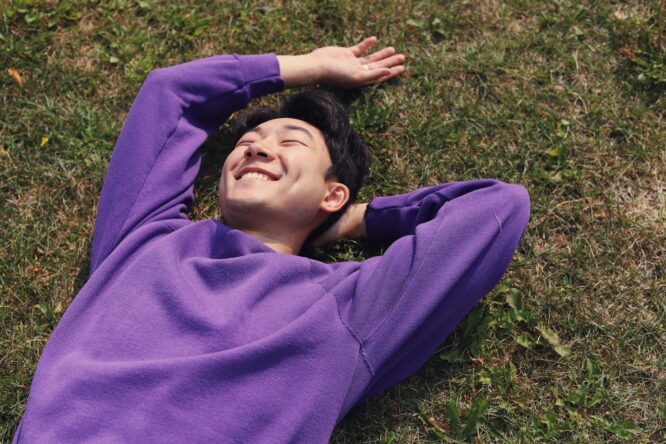
Kids do not censor themselves when something feels silly, they lean into it. Adults often shut down playful impulses, worried about appearing immature. The dampens joy, turning everyday life more serious than it needs to be.
Letting yourself be silly, whether through dancing badly, telling jokes, or wearing something fun, brings back levity. Joy often grows in the moments when you stop filtering yourself and let fun take the lead.