Finding out your kid is being picked on at school is one of the most gut-wrenching things a parent can go through.

It’s easy to feel a mix of absolute fury and total helplessness when you see them coming home looking defeated or anxious. While your first instinct might be to charge into the school office and demand heads roll, supporting your child through this is a bit more nuanced than that. You want to make sure they feel like they have a safe harbour at home where they can actually breathe and process what is happening without feeling like they have to put on a brave face. Helping them navigate this is about giving them the tools to handle the situation while making it crystal clear that you are firmly in their corner.
1. Just listen without jumping in.

Sometimes a kid just needs to get the whole story out of their system without you interrupting every 30 seconds to offer a solution. It’s tempting to start planning your next move while they’re still talking, but they really just need to feel heard. If you start fixating on what you’re going to do about it too early, they might stop sharing the smaller details that actually matter. Give them the floor and let them vent until they’ve got nothing left to say.
2. Make sure they know that their feelings are valid.
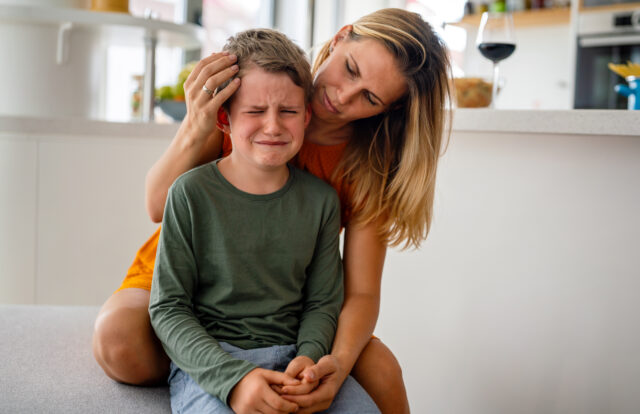
If your child tells you they’re scared or miserable, don’t try to brush it off by telling them to be tough or that it’s just part of growing up. Those emotions are very real and very heavy for them right now. Acknowledging that it’s perfectly normal to feel angry or upset helps them realise they aren’t losing their mind. When they know you get why they’re hurting, they’re much less likely to bottle everything up and suffer in secret.
3. Resist the urge to try to fix it all immediately.

Your protective instincts will be screaming at you to take over and sort the whole mess out yourself, but that can sometimes make a kid feel even more powerless. Unless things have reached a point where their safety is at risk, try to guide them through the problem rather than just steamrolling it. Ask them what they think should happen next or how they’d like to handle it. When they play a part in finding a way forward, it helps them reclaim a bit of the confidence the bully has been trying to strip away.
4. Teach them coping strategies because knowledge is power.
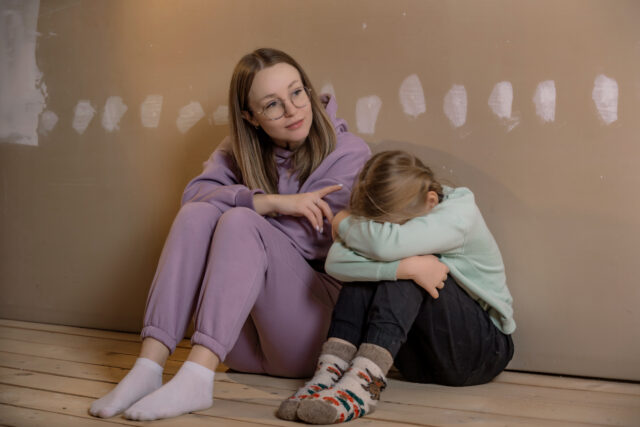
It’s helpful to give them a bit of a toolkit for when they’re standing on the playground and things start to go south. This could be as simple as practicing how to walk away without looking flustered, or using a bit of humour to take the sting out of a comment. You aren’t telling them to just put up with it, but having a few go-to moves can make them feel a lot less like a sitting duck. It gives them a sense of control over their own reactions.
5. Put some work into their self-confidence.
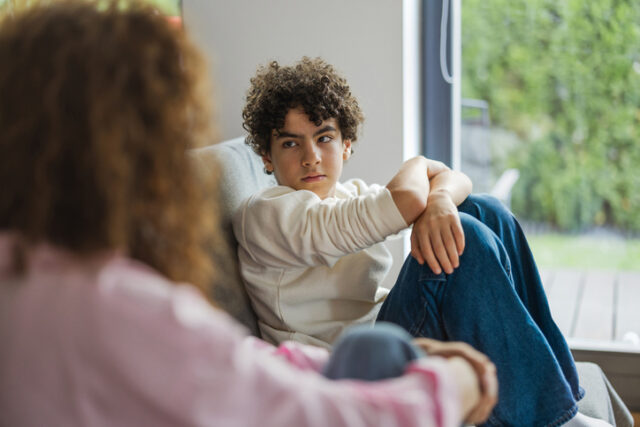
Bullies usually go after people they think they can deflate, so building up your child’s self-esteem is like giving them a bit of invisible armour. Encourage them to lean into the things they’re actually good at, whether that’s a sport, a hobby, or just being a great mate to someone else. Remind them of the qualities they have that are actually valuable. When they feel good about who they are, the rubbish a bully says starts to feel less like the truth and more like a desperate cry for attention.
6. Try a bit of role-play at home.
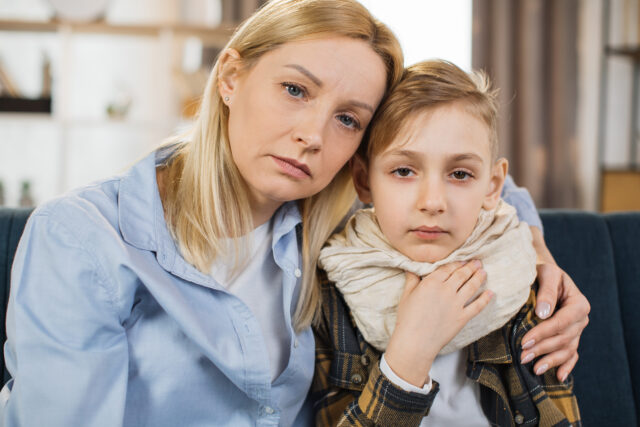
It might feel a bit silly at first, but acting out different scenarios can be a massive help for an anxious kid. You can play the part of the bully and let them practice standing tall and saying no or telling the other person to back off. Practicing these moments in the safety of your living room means they won’t be quite as blindsided when it happens in real life. It turns a scary, unknown situation into something they’ve already rehearsed.
7. Help them find solid friendships.
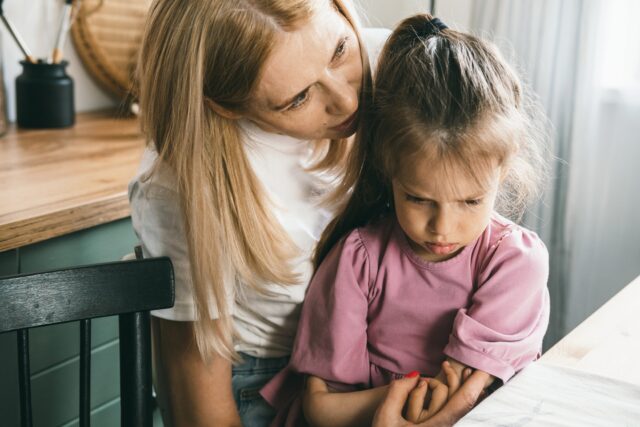
Having a group of loyal friends is one of the best ways to keep bullies at bay. Encourage your child to spend time with the kids who actually treat them well and make them feel included. If they’ve got a solid support network at school, they aren’t an easy target anymore. Allies are invaluable, and knowing there are people who will stand by them makes the school day feel much less like a battleground.
8. Keep communication open with the school.
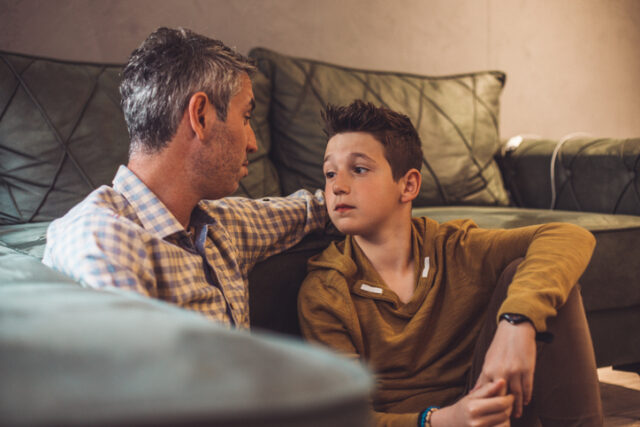
You don’t want to be that parent who is calling every five minutes, but you do need to make sure the teachers know what is going on. Stay in touch with the staff so they can keep a closer eye on things when you aren’t there to watch. It’s much easier to nip a problem in the bud when the school is actually aware that there’s a pattern forming. Teamwork between home and school is the only way to make sure the environment actually changes.
9. Write everything down.

If things start to escalate, you’re going to need more than just a vague idea of what happened. Keep a simple log of dates, times, and exactly what was said or done. Having a clear record makes it much easier to have a serious conversation with the school if the situation isn’t improving. It turns your concerns from a general complaint into a documented issue that they can’t just ignore.
10. Don’t forget the digital side of things.

Bullying doesn’t stop at the school gates anymore; it follows kids home on their phones and consoles. Make sure you’re clued up on who they’re talking to online, and show them how to use block and report buttons properly. Sometimes the best move is to just step away from social media for a bit to clear the air. Help them understand that they don’t have to be available to people who are only interested in being nasty.
11. Model kindness and respect at home.

Kids are like sponges, and they’ll pick up on how you handle conflict or talk about other people. If they see you being respectful and standing up for yourself in a calm way, they’re going to mirror that. Show them that kindness isn’t a weakness and that you can be firm without being a jerk. Your own behaviour at home sets the standard for how they expect to be treated by the rest of the world.
12. Find a life outside the school gates.

If school is miserable, it’s vital that your kid has another world where they feel successful and happy. Getting them involved in a club or a sport outside of school gives them a fresh start with a completely different group of people. It provides a much-needed break from the stress of the playground and reminds them that the opinions of a few bullies aren’t the whole world. A change of scene can do wonders for their mental health.
13. Keep an eye on their behaviour.
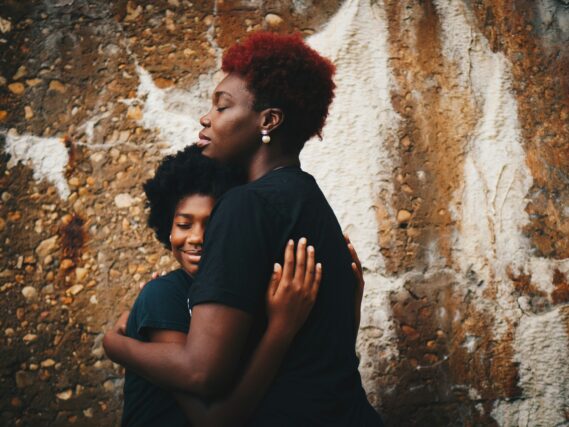
Keep an eye out for shifts in their personality that seem a bit off. If a kid who usually loves their food suddenly stops eating, or if they’re having trouble sleeping, it might be a sign that the bullying is weighing on them more than they’re letting on. Sudden mood swings or a desperate desire to avoid school are also big red flags. Paying attention to these subtle clues helps you catch a downward spiral before it gets too deep.
14. Encourage them to be the one to stand up.

Teach your child that they don’t have to just stand there if they see someone else being picked on. Being an upstander means having the guts to say something or at least go and check on the person who is being targeted. It helps create a culture where bullying isn’t just accepted as part of the furniture. When kids start looking out for one another, the power dynamic in the school starts to move in a much better direction.
15. Make a big deal out of small wins.
If your child managed to stand their ground or made a new friend, celebrate that. This whole process is about small steps forward rather than an overnight fix. Acknowledging the effort they’re putting in helps them stay motivated to keep going. Every time they handle a difficult situation well, it’s a victory for their character and their resilience.
16. Remember, it’s not their fault.
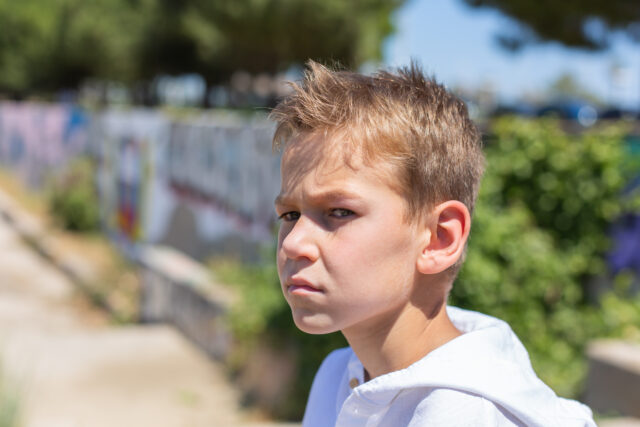
The most important thing you can tell your kid is that this isn’t their fault. Bullies pick on people for all sorts of reasons that have everything to do with their own insecurities and nothing to do with the person they’re targeting. Make sure your child knows they aren’t the problem here. They’re a great kid who is dealing with a rubbish situation, and that distinction makes all the difference in the world.