Whether you’ve ended up solo by choice or just because that’s how the cards fell, spending a massive amount of time in your own company does something to your brain.

You don’t just get used to the peace; it’s that your entire way of moving through the world starts to change in ways you don’t even notice until you’re suddenly shoved back into a social situation. You stop performing for an audience and start doing things purely because they make sense to you, which can lead to some pretty eccentric habits that would baffle anyone living in a crowded house.
You’re not becoming a hermit, but you are becoming a much more concentrated version of yourself. These 15 quirks are the inevitable result of being your own primary companion for years on end.
1. You start to have full-blown arguments with yourself.

When there’s nobody else around to bounce ideas off, your inner voice steps up to fill the gap. You’ll find yourself arguing both sides of a decision, complete with counterarguments and hypothetical scenarios, all happening entirely in your head. It’s a great way to stress-test an idea, but it means you’ve basically become your own board of directors.
2. Your personal space becomes your fortress.

Your living space isn’t just a place to sleep; it’s a fortress where everything is exactly where you want it. You’ve developed a specific flow for your home, and even something as small as someone moving a coaster can feel like a massive invasion of your peace. It’s not that you’re being precious, but your environment is the one thing you have total control over.
3. You’ve mastered the art of self-entertainment.

You’ve become an absolute pro at keeping yourself occupied. While other people might panic at the thought of a weekend with no plans, you’ve got 50 different niche interests or obscure hobbies ready to go. You’re your own source of entertainment, so you never feel that desperate need to be out and about just for the sake of it.
4. Your sleep schedule might be unconventional.

Without the need to coordinate your life with another person’s schedule, your sleep patterns can get pretty weird. You might find you’re most productive at 3 a.m. when the rest of the world is conked out, or you might be up at dawn just to enjoy the stillness. You’ve stopped following a traditional 9-to-5 rhythm and started listening to when your body actually wants to move.
5. You talk to yourself… out loud.

It usually starts with just a mutter about where you’ve put your keys, but eventually, you’ll find yourself narrating your entire life. Similar to arguing with yourself, talking out loud helps process thoughts and break the silence, making the house feel a bit less empty. Plus, you’re the only person you know who’s guaranteed to listen to every word and never interrupt.
6. Your food habits become uniquely yours.

Eating alone means you’ve abandoned any pretence of proper mealtimes. If you want a bowl of cereal at 10 p.m. or a massive plate of pasta for breakfast, there’s nobody there to judge you. You’ve likely developed some bizarre food combinations that would make a chef weep, but because they taste good to you, they’ve become your new staples.
7. You’ve become hyper-aware of background noises.

In the absence of human chatter, you become hyper-aware of the soundtrack of your building. You know the exact creak of the floorboards, the rhythm of the fridge humming, and the distant sound of the neighbours’ plumbing. These noises become familiar companions, to the point where actual silence can feel a bit eerie.
8. Your personal grooming routine is… flexible.
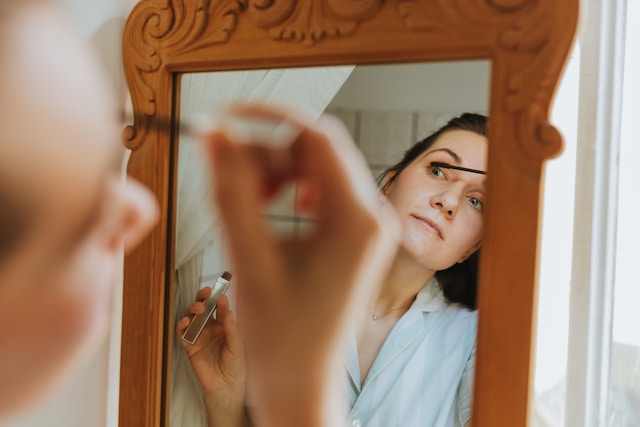
When there’s no one to impress, your personal maintenance routine becomes a lot more flexible. You might spend three days in the same oversized hoodie or decide to grow a beard just to see what happens. Your appearance is dictated by what makes you feel comfortable on the sofa, rather than what looks good in a social setting.
9. You’ve developed a pretty intense fantasy life.

Daydreaming isn’t just a distraction for you; it’s a full-time occupation. You’ve probably built up detailed alternate realities and imaginary conversations that are more entertaining than most TV shows. It’s a way of enriching your life and keeping your brain sharp when the outside world feels a bit too stagnant.
10. Your empathy levels fluctuate.

Spending so much time in your own head makes you very good at self-reflection, which can make you incredibly empathetic toward others. However, on the flip side, you might find you’ve lost the patience for other people’s drama because you’ve become so used to solving your own problems without any fuss.
11. Your observation skills are off the chart.

Because you’re not constantly distracted by conversation, you’ve become a keen observer of the world. You’ll spot a tiny change in a friend’s mood or a new shop opening down the street long before anyone else does. This heightened awareness makes you seem almost psychic to people who are too busy talking to actually look around.
12. Your tolerance for socialising has changed.

After weeks of solitude, being in a group of people can be absolutely exhausting. You might find you can only handle a couple of hours of chat before you’re desperate to retreat to your fortress to recharge. Or, you might go the other way and talk their ears off for three hours straight because you’ve got so many thoughts backed up.
13. You’ve developed some very weird rituals.

Without anyone to ask, “Why are you doing it like that?” you’ve come up with some unique ways of doing daily tasks. Maybe you have a specific order for putting on your socks or a ritual for how you make your morning tea that makes perfect sense to you but would look totally mental to an outsider.
14. Your relationship with technology is intense.

Technology isn’t just a tool; it’s your primary link to the rest of humanity. You might find you’re more attached to your favourite podcasters or fictional characters than you are to some of your actual acquaintances. It’s not about replacing people, but about finding a way to feel connected without the messiness of real-life interaction.
15. You’ve become your own biggest critic and cheerleader.

When you’re solo, there’s nobody else to tell you that you’ve done a good job or to pick you up when you’re down. You’ve had to learn how to be your own cheerleader and your own reality check. It leads to a level of self-reliance that most people never achieve, simply because they’ve always had someone else to lean on.