Religion can be a grounding force for a lot of people.

It can give meaning, community, structure, even comfort in dark times. Unfortunately, sometimes it stops being something someone practices and starts becoming something that completely controls them. It stops having anything to do with belief and starts revolving around fear, guilt, rules, and control. When religion takes over someone’s whole life, you can usually feel it in how rigid, anxious, or disconnected they become. Here are some clear signs that it might be running the show a little too much.
1. They feel guilty for normal human things.
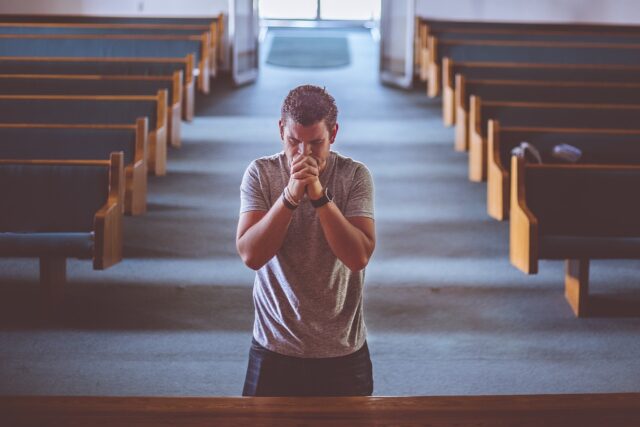
If someone constantly feels bad for laughing, relaxing, being angry, or just being human, that’s a red flag. Religion shouldn’t make you feel guilty just for existing or having natural emotions, but when it’s controlling someone’s life, even harmless things start to feel like sins. You’ll hear them say things like “I shouldn’t have enjoyed that” or “I’m being tested” over really normal stuff. That level of guilt has very little to do with conscience.
2. They shut down anything that doesn’t align with their belief system.

They’re not just religious, they’re unreachable. If someone can’t even listen to a different opinion, a joke, or a fact without spiralling into defence mode, it’s a sign their belief system has stopped being a guide and become a mental cage. There’s a difference between staying true to your faith and acting like the outside world doesn’t exist. One is grounded. The other is about control and fear of being challenged.
3. Their self-worth is tied to how “holy” they act.

They only feel good about themselves when they’re ticking all the religious boxes: praying enough, fasting enough, avoiding “worldly” behaviour. If they slip up, even a little, it wrecks them emotionally. That kind of pressure isn’t spiritual, it’s exhausting. Plus, it means they’re not allowed to just be a human having a full, messy, imperfect experience. Everything becomes a test they’re terrified of failing.
4. They’re terrified of questioning anything.

Healthy faith can handle doubt and curiosity, but when someone’s religion is controlling their life, even asking simple questions feels dangerous to them. They shut it down fast because they’re scared, not because they’re sure. You’ll notice them getting panicky, tense, or even angry if a topic makes them feel unsure. That’s not confidence. That’s fear of what happens if the answers don’t match what they’ve been told to believe.
5. They avoid people who live differently.

If someone starts cutting off friends, family, or even coworkers just because they don’t share their faith, it’s often because they’ve been told outsiders are “bad influences.” But that isolation doesn’t come from a place of peace, that’s for sure. It’s one thing to seek like-minded community. It’s another to push everyone away who sees the world differently. Rather than spiritual growth, that’s indoctrination doing its job.
6. They use religion to excuse harmful behaviour.

Sometimes people use religion to justify cruelty, judgement, or even straight-up abuse. They’ll twist scripture or beliefs to control other people, shame them, or deflect responsibility for their own actions. If someone hurts people and then hides behind “faith” to avoid accountability, that’s clear manipulation with a holy label slapped on top. Real faith doesn’t look like power plays.
7. Their whole identity is wrapped up in being religious.

When someone’s every sentence, outfit, hobby, and relationship revolves around proving how devout they are, it’s usually about image, not inner peace. Religion has become the costume, not the compass. They might genuinely believe they’re being faithful, but underneath it all, they’re often terrified of being seen as anything less than “righteous.” That kind of performance doesn’t leave much room for authenticity.
8. They’re constantly afraid of punishment.

Hell, karma, divine consequences—whatever the belief system, they live in fear of messing up and being punished. Every decision feels heavy. Every thought has stakes. That’s not a peaceful mindset, it’s a trap. It doesn’t matter if the surface looks calm. If they’re always second-guessing themselves and feeling like they’re one wrong move from divine rejection, that’s not a healthy way to live. It’s fear dressed up as faith.
9. They see suffering as “proof” they need to pray harder.

Instead of getting support, therapy, or just time to heal, they double down on religion when things go wrong, like their pain is punishment for not being devout enough. That’s a heartbreaking cycle to watch. It keeps them stuck in self-blame instead of letting them grieve, process, and grow. Real faith doesn’t require perfection. Instead, it offers comfort. When religion becomes a reaction to suffering instead of a support through it, something’s gone sideways.
10. They feel anxious when life feels too good.

When someone starts to feel like joy is suspicious, like they’re being tested or that something bad must be around the corner because life is going “too well,” it’s often tied to a warped religious mindset. They can’t let themselves rest or be happy without guilt, and that’s indicative of a belief system that’s trained them to see peace as suspicious instead of sacred.
11. They view normal mistakes as spiritual failure.
Everyone messes up, but if someone views every slip-up, such as missing a religious ritual, swearing, getting frustrated, as proof that they’re broken or sinful, religion might be controlling how they see their entire identity. That kind of perfectionism isn’t about growing closer to God; it’s about avoiding self-hatred. Unsurprisingly, it leads to burnout, shame, and spiritual exhaustion.
12. They shame other people in the name of “truth.”
There’s a huge difference between sharing faith and using it as a weapon. If someone regularly puts people down for their lifestyle, beliefs, or choices while claiming they’re just “speaking truth,” that’s not coming from love. That kind of rigid, harsh judgement usually says more about their own fear and control issues than it does about the people they’re criticising. Faith doesn’t require tearing other people down to feel righteous.
13. They’re obsessed with being “pure” or “worthy.”

Purity culture, shame around bodies, and obsessive focus on morality are all part of a mindset that says your value depends on staying spotless. However, no one’s spotless. We’re human, and living like that just feeds anxiety and self-loathing. When religion convinces someone that their worth hangs on always doing the “right” thing, it leaves no room for grace. Without grace, there’s no growth—just fear of falling short.
14. They’ve lost their joy.
If someone used to laugh more, connect more, or express themselves more freely, and now they seem shut down, tense, or joyless in the name of being “holy,” it’s usually not a spiritual awakening. It’s spiritual suppression. Real faith doesn’t drain the life out of you. It doesn’t make you smaller, quieter, or less human. If someone’s religion has erased their spark, that’s not devotion. Instead, it’s control hiding behind belief.