When people care about keeping the peace, they sometimes twist themselves into knots trying not to upset you.

It’s not always obvious; it can look like politeness, thoughtfulness, or even passivity. However, underneath, there’s a quiet fear of saying or doing the wrong thing. These people often avoid confrontation at all costs, even if it means swallowing their own feelings or bending the truth.
It usually comes from a good place. They don’t want tension, rejection, or that sinking feeling of having disappointed someone they value. But constantly walking on eggshells isn’t healthy for anyone involved. Over time, it builds resentment and stops real honesty from developing. Here are the subtle things people tend to do when they’re more focused on keeping you happy than being themselves.
1. They constantly apologise, even for minor things.

Some people use “sorry” as a reflex rather than a genuine apology. They’ll apologise for interrupting, for asking a question, or for things completely out of their control. It’s a way of showing they don’t want to upset or inconvenience you, but it often signals anxiety rather than courtesy. When someone keeps apologising for simply existing in a space, it’s a sign they’re trying to manage your emotions instead of expressing their own comfort or needs.
2. They avoid disagreeing with you, even when they have a different opinion.

People who are terrified of conflict will agree with almost anything to keep the peace. You might notice them quickly backtracking on a statement or pretending to share your view to avoid an argument. It’s not that they don’t have opinions; it’s that they’ve learned disagreement leads to discomfort or rejection. As time goes on, it destroys genuine communication, leaving both people walking away from conversations feeling unseen and unheard.
3. They go out of their way to please you.

People-pleasing can look generous at first, but it’s often rooted in fear. They’ll take on tasks they don’t have time for, say yes when they want to say no, or anticipate your needs before you even ask. It’s their way of staying “safe” in your good graces. Unfortunately, constantly prioritising someone else leaves them drained and quietly resentful, even if they never say it out loud.
4. They hesitate to share their true feelings or opinions with you.
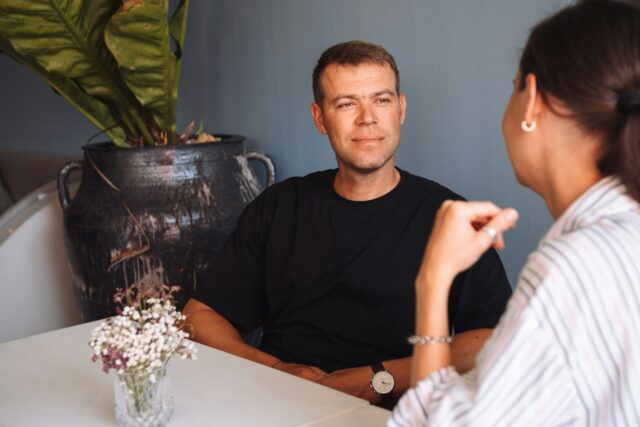
You might sense there’s something they’re holding back. Maybe they tell you what you want to hear or keep conversations light to avoid deeper tension. It’s not secrecy; it’s self-protection. They’ve learned that honesty can cause friction, so they choose silence instead. It’s a coping mechanism that protects them in the short term, but slowly builds emotional distance between you.
5. They’re overly cautious about their words and actions around you.

When someone feels like they’re constantly walking through a verbal minefield, they’ll filter everything they say. You’ll notice them pausing before responding, rephrasing mid-sentence, or nervously laughing things off. They might avoid humour or sensitive topics altogether. That kind of tension makes normal conversation exhausting, and it usually means they’re trying to prevent a reaction rather than participate in a real exchange.
6. They often ask for your approval or reassurance.

They’ll double-check that you’re not upset, ask if you’re “sure” about something several times, or need constant confirmation that you’re happy with them. It can come across as insecurity, but it’s usually fear-driven. They’re trying to predict your emotions before anything goes wrong. It’s a sign that the relationship dynamic feels uneven, and they’re doing emotional labour to keep things stable.
7. They’re quick to take the blame for things that go wrong.

People who fear conflict often pre-emptively accept fault to stop an argument before it starts. You’ll hear “It’s my fault” even when it isn’t. It’s a peacekeeping tactic that stems from low self-worth and past experiences where blame felt safer than confrontation. The problem is, when someone always absorbs responsibility, it prevents accountability on both sides and creates a sense of resentment in the long run.
8. They avoid making decisions for fear of upsetting you.

Whether it’s choosing where to eat or making a big life choice, they’ll defer to you every time. They don’t want to risk choosing something you dislike and facing your disappointment. That passivity might seem easygoing, but it’s often a sign of emotional fear. It can make them feel invisible in the relationship and leave you carrying all the weight of decision-making.
9. They overreact to your emotions or moods.

If you’re quiet or distant, they immediately assume it’s their fault. A single sigh or change in tone can send them spiralling into worry. They’ll rush to fix it, apologise, or ask repeatedly what’s wrong. All that emotional hypervigilance usually develops when someone has been around unpredictable reactions in the past. They read every mood shift as a potential threat and work overtime to prevent conflict.
10. They avoid giving you constructive feedback.

When people are scared of upsetting you, honesty becomes a risk they’re not willing to take. Even if they notice a problem, they’ll stay quiet rather than offer feedback that might cause tension. It might seem kind in the moment, but it actually prevents trust and growth. Healthy relationships rely on truth, even when it’s uncomfortable, and when someone’s too afraid to be honest, it’s usually a sign that safety in the relationship has been replaced by fear.