People like to add like the internet doesn’t matter, but being unfriended or blocked can feel like a proper punch to the gut.
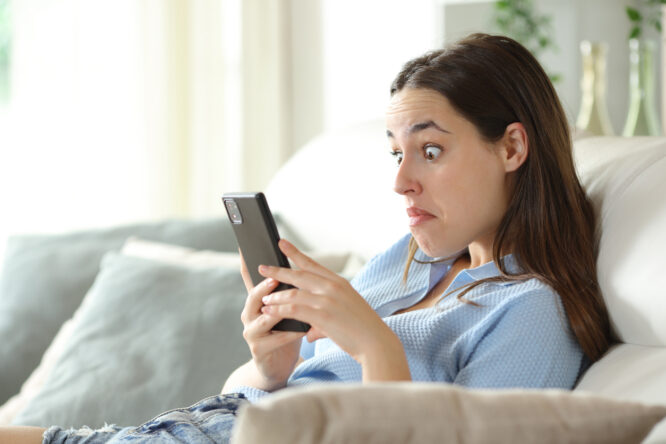
That’s especially true when it comes out of nowhere or from someone you thought you were close to. Your brain immediately starts spiralling with questions about what you did wrong, but most of the time, it says way more about them and their issues than it does about you. Here’s what you keep in mind when someone’s profile is suddenly off-limits to you.
1. It’s usually not about you at all.
Most people who randomly unfriend or block other people are dealing with their own stuff. Maybe they’re cleaning up their social media, going through a rough patch, or just feeling overwhelmed by too many online connections. You probably didn’t do anything specific to deserve it.
People make these decisions for loads of reasons that have nothing to do with the other person. They might be trying to reduce drama, focus on closer relationships, or just simplify their online life. Don’t automatically assume you did something wrong.
2. Some people are just really bad at communication.
Instead of having an awkward conversation about why they’re upset or need space, some people find it easier to just hit the block button and avoid the whole situation. It’s not mature, but it’s how some people handle conflict or discomfort.
This doesn’t make it right, but understanding that some people are just rubbish at dealing with difficult conversations can help you not take it so personally. They’re choosing the easy way out rather than actually addressing whatever the issue might be.
3. Social media makes everything feel more dramatic than it is.
Being unfriended online can feel like a massive rejection, but in real life it might be the equivalent of someone just not calling you back or being a bit distant. Social media makes these small social adjustments feel like huge public statements when they’re often not.
Remember that online relationships and real-life relationships are different things. Someone might unfriend you on Facebook, but still be perfectly friendly if you ran into them in person. The digital rejection might not reflect how they actually feel about you.
4. They might be protecting their own mental health.
If seeing your posts makes them feel bad about themselves, reminds them of painful stuff, or just adds to their stress, unfriending you might be their way of looking after their own wellbeing. This is actually quite mature, even if it stings.
People need to do what’s best for their mental health, and sometimes that means removing triggers from their social media feeds. It’s not necessarily a judgement on you as a person, just recognition that your presence in their feed isn’t helpful for them right now.
5. You might have dodged a bullet.

Someone who unfriends or blocks you over minor disagreements or without explanation is probably not the kind of person you want in your life anyway. Healthy relationships involve communication and working through problems, not just cutting people off randomly.
If they can’t handle normal human interactions or conflicts without immediately blocking people, they’re probably quite difficult to have relationships with. You might actually be better off without that kind of drama in your life.
6. It might not even be permanent.

Some people unfriend others during emotional moments and then add them back later when they’ve calmed down. Others block people temporarily to avoid seeing certain content during tough times, then unblock them when they’re feeling better.
Don’t burn bridges by getting angry or posting about it publicly because they might reach out later to explain or reconnect. People sometimes need breathing space and use social media tools to create that space, even if it’s not the most elegant solution.
7. Their online behaviour might not match their real personality.
Some people are completely different online than they are in person; they might be more dramatic, more impulsive, or more willing to cut people off digitally than they would be face-to-face. Their social media behaviour might not reflect who they really are.
If you know them well in real life, don’t let their online actions completely change how you see them. They might just be really bad at managing their digital relationships, or get caught up in online drama more easily than offline drama.
8. You can’t control other people’s reactions.
Even if you try to be perfect and never say anything controversial, some people will still find reasons to be upset with you or remove you from their feeds. You can’t manage everyone else’s feelings or responses, so don’t drive yourself mad trying to figure out what you could have done differently.
Focus on being authentic and kind rather than trying to please everyone because pleasing everyone is impossible and exhausting. The people who matter will stick around even when you’re not perfect.
9. It says nothing about your worth as a person.
Being unfriended or blocked can trigger all sorts of insecurities about whether you’re likeable, interesting, or good enough, but someone else’s decision to remove you from their social media doesn’t actually reflect your value as a human being. Your worth isn’t determined by how many people follow you online or who stays connected to you on social platforms. These are just digital tools that people use differently, not measures of your importance or loveability.
10. Sometimes people just grow apart.
Natural drift in relationships is completely normal, and social media unfriending might just be someone’s way of acknowledging that you’re no longer close enough to be sharing daily life updates with each other. It’s not necessarily hostile, just honest. People change, interests change, and relationships naturally evolve over time. What felt like a close connection a few years ago might now feel awkward or forced, and unfriending might just be recognition of that reality.
11. You probably won’t get an explanation.
Most people who unfriend or block someone don’t provide explanations, either because they can’t be bothered, don’t want confrontation, or don’t think they owe anyone an explanation. Waiting around for closure or reasons will probably just frustrate you more. Accept that you might never know why it happened, and try to move on without that information. Creating your own closure is often more helpful than waiting for someone else to provide it.
12. Don’t take it as permission to be nasty.
Even if you’re hurt or angry about being unfriended, don’t use it as an excuse to badmouth them to mutual friends or post passive-aggressive stuff online. Taking the high road protects your reputation and keeps your options open for future reconciliation. Responding badly to being unfriended often proves that the person made the right decision to distance themselves from you. Show that you can handle rejection gracefully, even when it hurts.
13. It might actually improve your life.
Sometimes being forced to step back from certain relationships or social media connections helps you realise how much energy you were putting into connections that weren’t really serving you. You might discover that you’re happier without certain people in your feed.
Use it as an opportunity to focus on the relationships that are more genuine and supportive. Quality connections are always better than quantity, and having fewer but stronger relationships is usually more fulfilling than maintaining loads of superficial online friendships.
14. Your real friends will find ways to stay connected.
The people who truly value your friendship will reach out through other means if they accidentally unfriend you or if there’s been a misunderstanding. Real connections survive social media drama and find ways to reconnect when it matters.
Don’t panic about losing touch with people who really matter to you. If the relationship is important to both of you, you’ll figure out ways to maintain it that don’t depend on social media platforms. The connections worth keeping will survive temporary digital disruptions.