Growing up in a big family is a very specific kind of chaos.

There’s constant noise, shared everything, and the weird comfort of always having someone around, even when you desperately wanted to be left alone. If you were one of many under the same roof, there are certain experiences, habits, and inside jokes that just don’t make sense to people from smaller households. Here are some things you’ll instantly get if you grew up in a big family.
1. You learned to eat fast, or not at all.
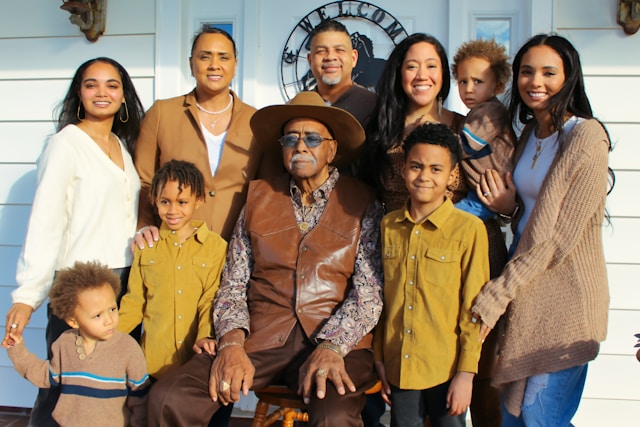
Meals were less about sitting down and enjoying food and more about survival. If you didn’t grab your plate quickly or eat fast enough, there was every chance your favourite part would be gone before you’d even had a bite. Leftovers were rare, seconds were a race, and snacks? You hid those. You probably still eat at high speed today, even when no one’s chasing your chips. It’s muscle memory now, and a bit of trauma, if we’re being honest.
2. Privacy was a luxury, not a guarantee.

Whether it was bedroom space, bathroom time, or just five quiet minutes to think, privacy wasn’t something you expected. Instead, you earned it. Even shutting the door didn’t always mean people wouldn’t barge in with zero warning. You got used to having conversations through bathroom doors, getting dressed in record time, and feeling like being alone was some sort of secret mission. As an adult, you probably treasure quiet in a way other people don’t quite understand.
3. You shared clothes, shoes, and sometimes even birthdays.

If you were close in age or size with a sibling, your wardrobe was never really your own. Hand-me-downs were a way of life, and if you were the youngest, you basically lived in other people’s choices for years. Special occasions were rarely just yours, either. Joint birthday parties, shared gifts, or blowing out candles at the same time as someone else just came with the territory. You learned early on that the spotlight had to stretch.
4. There was always someone to talk to, and someone to fight with.

Big families meant you were never really bored, but also never really left alone. One sibling might be your confidant, while another was your personal nemesis that day. The alliances changed constantly, depending on who was grounded or who got the last biscuit. Arguments could go from screaming to laughter in 10 minutes flat. You learned how to stand your ground, when to let it go, and how to survive in a house where conflict was part of the daily soundtrack.
5. Car journeys were never quiet.

Going anywhere as a family meant packing into the car like sardines. There was always someone getting carsick, someone needing a wee five minutes in, and someone shouting about who was touching them on the back seat. The idea of a peaceful road trip is hilarious if you grew up in a big family. You probably still associate long drives with chaos, snacks flying, and the quiet tension of someone eventually crying just before you arrive.
6. You developed weirdly specific roles.

Whether you were the peacekeeper, the loud one, the sneaky one, or the forgotten middle child, you had a role, and it stuck. No matter how much you grew or changed, everyone at home still saw you through that old lens.
Those labels shaped how you showed up, and even now, family gatherings can snap you back into old dynamics before you realise it. Being with siblings can feel like time travel, back to who you were at 12, with all the emotional flashbacks to match.
7. You knew how to entertain yourself.

Your parents couldn’t always keep tabs on everyone, so you figured out how to stay busy. You made games out of nothing, created your own space in a crowded house, and knew how to adapt to whatever chaos was unfolding around you.
This independence stuck with you. You might still prefer figuring things out on your own, and you probably have a pretty solid ability to make something fun out of absolutely nothing. You had to; boredom wasn’t an option when no one was available to fix it for you.
8. House rules were… flexible, depending on your birth order.

The older kids got stricter curfews and tighter rules. By the time the youngest came along, all bets were off. You probably watched your younger siblings get away with murder while you were grounded for breathing wrong at their age.
This wasn’t always fair, and it stuck with you. You learned how to navigate double standards and quietly built up that mix of pride and resentment that only older siblings truly understand. Or if you were the youngest, you knew how to play the system beautifully.
9. You became an expert at spotting favouritism.

Whether it was subtle or blatant, you knew exactly which sibling was the favourite. Maybe it was the quiet one, the high achiever, or the one who made the fewest waves. Even if your parents denied it, you could feel it. It didn’t always cause problems, but it did shape how you saw yourself. You either tried to win approval or decided it wasn’t worth trying. In a big family, attention was a currency, and some people got more of it without having to ask.
10. Holidays were more exhausting than relaxing.

Family holidays sounded great in theory, but in reality? Herding that many people into one plan was chaos. You waited ages for showers, shared tiny rooms, and spent half the trip negotiating over where to eat or what to do next. There were great memories, sure. But also meltdowns, missed flights, and at least one dramatic family row somewhere scenic. You probably came back from holidays needing a holiday, but it was never boring, that’s for sure.
11. You got used to hand-me-down traditions.

In big families, things don’t get reinvented; they get recycled. Your first day of school photo was probably in the same outfit your sibling wore three years earlier. Birthday cakes, bedtimes, family sayings were already decided before you got there. This created a weird mix of comfort and constraint. You belonged to something bigger, which could feel cosy, but it also meant carving out your own identity sometimes felt like pushing against the tide.
12. Silence feels suspicious.

If it’s quiet, someone’s up to something. That’s the rule in big households. Silence didn’t mean peace. It usually meant someone had escaped supervision and was either breaking something, hiding, or plotting. Even now, total silence can feel eerie. You probably still function best with a bit of background noise because calm never meant safe in your house. Instead, it meant something’s about to go down.
13. You became low-key amazing at conflict resolution.

You had to. When you grow up surrounded by strong personalities and constant friction, you either burn out or learn how to navigate the storm. You figured out when to step in, when to de-escalate, and when to walk away entirely. Even if your family wasn’t perfect, you picked up skills. You can read a room quickly, manage group dynamics, and keep the peace under pressure. You were basically trained in emotional negotiation by the time you hit puberty.
14. There’s a bond that doesn’t make sense to anyone else.

You might fight like cats and dogs, go weeks without speaking, or hold grudges that date back to childhood, but the bond between siblings in a big family runs deep. It’s messy, strange, and sometimes infuriating, but it’s yours. No one else knows your family language, your weird inside jokes, or what it was like growing up in that specific kind of beautiful chaos. Even if you complain about them constantly, you’d probably fight anyone else who did.