
Kids’ emotions can swing wildly from joy to tears in seconds, and that can leave parents questioning what’s standard and what might be a sign of something more concerning.

Obviously, it’s impossible to say what’s normal for your child compared to others, since everyone is unique. However, there are certain behaviours that reveal an emotionally well-adjusted child, and some that require more attention, and maybe even direct addressing. Here’s what to look out for to make sure they’re as happy and healthy as they should be.
1. Mood swings that pass quickly

It’s common for children to go from laughter to crying in a matter of minutes. Their emotional regulation is still developing, so sudden changes are part of the process. Short bursts of upset that fade as quickly as they came are usually normal. If the mood swings linger for hours or disrupt daily life, it may be worth checking in. Persistent emotional storms that don’t pass can point to deeper problems that need more support.
2. Strong reactions to disappointment

Children often cry or lash out when things don’t go their way, whether it’s losing a game or being told no. These reactions are part of learning how to handle frustration. With time and guidance, the intensity tends to ease. If the reactions seem extreme for their age or happen far more often than expected, it may be worth looking closer. Consistent explosive behaviour can suggest difficulty managing emotions that might need outside help.
3. Fears that seem big but are age-typical

Being scared of the dark, loud noises, or being away from a parent is very common in childhood. These worries are linked to normal stages of development and usually fade as children grow. Reassurance and gentle exposure often help reduce the intensity. However, if fears are so strong that they prevent normal activities like sleeping alone or going to school, it can be a red flag. When everyday life is consistently interrupted by fear, support might be necessary.
4. Anger outbursts during stress

Anger is part of growing up, and tantrums or yelling are a way children release frustration before they learn better coping skills. Occasional outbursts aren’t usually a cause for alarm and often improve with maturity and consistent boundaries. When anger turns into regular aggression toward other people or destructive behaviour, it may point to something beyond normal stress release. At that stage, getting a bit of guidance on anger management can help both the child and the family.
5. Needing comfort after big feelings

After a meltdown, most children look for comfort from parents or caregivers. Wanting reassurance after strong emotions is normal and shows that they’re still relying on trusted adults to help regulate their feelings. This is part of healthy attachment. If a child rejects comfort consistently or seems unable to calm down even with help, it might be worth watching. Difficulty accepting support can sometimes signal underlying emotional struggles.
6. Jealousy and sibling rivalry

Feeling jealous of a sibling’s attention or belongings is a common part of family life. Children often express these feelings loudly, and rivalry can flare up over seemingly small things. These spats usually settle quickly and are part of learning to share and negotiate.
However, if jealousy leads to ongoing hostility, bullying, or refusal to engage positively with a sibling, it may need more attention. Persistent rivalry that doesn’t ease with guidance could point to deeper issues with self-esteem or insecurity.
7. Sensitivity to criticism

Most children struggle when they feel criticised, and it can trigger tears or sulking. They’re still learning how to separate feedback from their sense of self-worth. Some sensitivity is natural, especially in younger years.
That being said, if every bit of correction causes extreme distress or long-lasting withdrawal, it might suggest a bigger problem with confidence or anxiety. Helping children build resilience is key, yet professional support may be needed if reactions are consistently overwhelming.
8. Worrying about friendships

It’s normal for kids to feel left out or anxious about their place in social groups. Friendships can be intense at this age, and falling out with a friend can feel like the end of the world. These worries usually resolve as they learn more social skills. If the worries take over, such as refusing school or avoiding all social contact, then it’s time to look a bit deeper. Ongoing social anxiety can interfere with healthy development and shouldn’t be ignored.
9. Big imagination-driven fears

Children often believe in monsters under the bed or ghosts in the dark. These fears are fuelled by imagination and are developmentally typical. They tend to fade as logic develops and reassurance takes root. If the fears persist beyond the expected age range or lead to avoidance of normal activities, they might be more than just imagination. In those cases, professional reassurance can help parents support their child better.
10. Sadness after setbacks
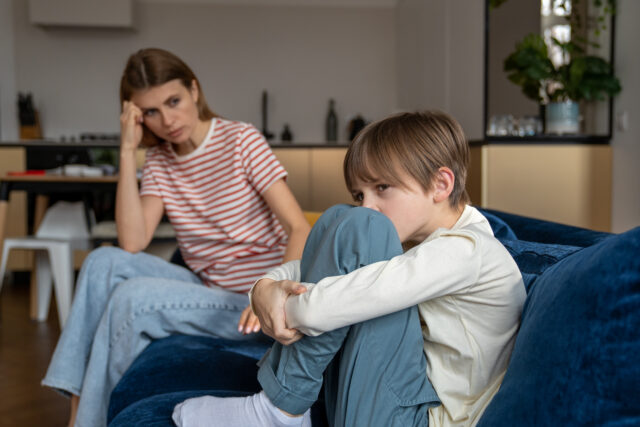
Feeling sad after losing a game, missing a party, or being told off is part of emotional learning. Temporary sadness shows that children care about outcomes, and bouncing back after a short while is a healthy sign of resilience. If sadness lingers for weeks, interferes with daily routines, or comes with withdrawal from usual interests, then it may be a sign of depression. Spotting this early is important so children get the support they need.
11. Testing boundaries with emotions

Children sometimes push emotional boundaries, like slamming doors, sulking, or refusing to speak, to see how adults respond. These behaviours are often tests rather than serious issues. Clear limits usually guide them back to balance. However, if the boundary testing escalates into ongoing defiance or constant emotional standoffs, it can point to more entrenched struggles. Consistency helps, but asking for advice may be necessary if it becomes a pattern that disrupts family life.
12. Needing reassurance about safety
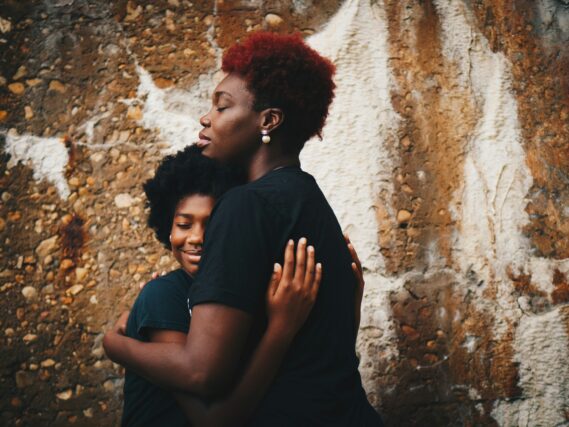
Asking whether doors are locked or repeatedly looking for comfort at night is a normal way children cope with developing awareness of risk. They’re still learning to feel secure in a big, unpredictable world. Occasional reassurance is perfectly healthy. If reassurance-seeking becomes constant and dominates daily routines, it may be worth considering anxiety as a possibility. Excessive checking or worry should be addressed before it becomes more entrenched.
13. Difficulty handling transitions

Moving house, starting school, or even changing from playtime to bedtime can bring tears and resistance. Transitions naturally create stress, and struggling with them is normal for many children. With routines and support, most adapt over time. If every transition sparks prolonged distress or panic, that can be a sign the child is finding change unusually hard. In those cases, extra help to build coping skills might be needed.
14. Wanting to control small things

Children often get fixated on little details, like which cup they use or what order routines follow. The desire for control helps them feel safe when so much else is managed by adults. Occasional battles over small things are very common. However, if the need for control dominates daily life or leads to meltdowns whenever something changes, it may be a red flag. Supporting flexibility in gentle ways helps, but professional advice can guide families through stronger patterns of rigidity.