Being nice is great—genuinely—but when it comes to relationships, especially marriage, niceness alone isn’t enough.

People often assume that as long as someone is kind, polite, and doesn’t cheat or yell, they’ll make a great husband. However, marriage needs more than basic decency. It needs depth, effort, emotional maturity, and the willingness to grow through uncomfortable stuff. “Nice” might open the door, but it won’t keep the house standing. Here’s why you’ll need to bring a bit more to the table if you want things to work.
1. Niceness can be passive.

Some “nice guys” avoid conflict like it’s the plague. Instead of speaking up when something’s wrong, they let things simmer. They think they’re keeping the peace, but all that silence just builds tension over time. Being agreeable isn’t the same as being emotionally present.
Healthy marriages need honest, sometimes uncomfortable conversations. If you’re always saying “it’s fine” when it’s not, problems don’t disappear; they just go underground. Eventually, it creates distance, even if things look polite on the outside.
2. You can be kind without being emotionally available.
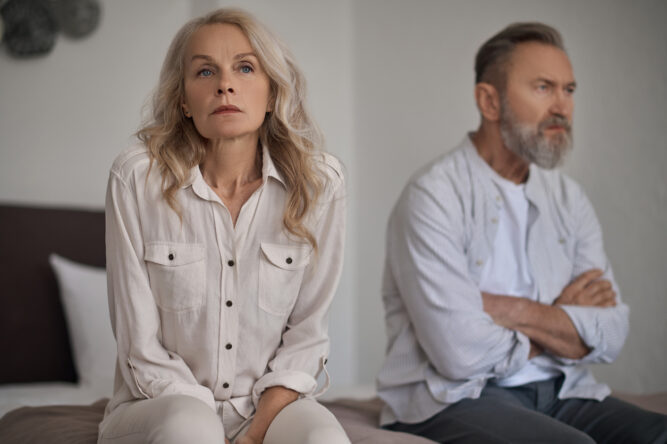
A man might be generous, helpful, and thoughtful—and still completely disconnected emotionally. Being nice doesn’t automatically mean you’re sharing your inner world or holding space for your partner’s. Plus, that emotional closeness is what real intimacy is built on.
Without that connection, niceness starts to feel shallow. You can buy flowers and still feel like strangers. It’s not the kind gestures that build love; it’s the willingness to be seen, flaws and all.
3. Being liked isn’t the same as being loving.

Plenty of “nice guys” want to be liked by everyone. They play the part, smile at the neighbours, and avoid rocking the boat. However, being nice to the outside world doesn’t always mean they’re being a supportive partner at home. Sometimes, the desire to be liked can lead to emotional avoidance. You focus on image instead of connection, and when you’re more worried about seeming good than doing the deeper work of showing up, marriage starts to feel hollow.
4. Niceness can become a mask.

Some men wear “nice” like a costume. They’re sweet until they’re criticised. Polite until you push a boundary. Then suddenly, there’s anger or withdrawal. This isn’t about kindness—it’s about control wrapped in charm. A truly kind partner doesn’t collapse when held accountable. They can handle feedback without flipping the script. If niceness disappears the moment things get tough, it wasn’t real to begin with.
5. Being nice doesn’t replace doing the work.

Being easygoing or polite isn’t a substitute for doing emotional labour in a relationship. That means taking initiative, reflecting on your behaviour, apologising properly, and being open to change—not just saying “I’m a good guy” and leaving it at that. Marriage isn’t just about coasting along being agreeable. It’s about growth, and growth takes effort, not just manners. You can’t keep coasting on good intentions forever if you’re not backing them up with action.
6. People-pleasing isn’t the same as partnership.

Some nice guys fall into the trap of saying yes to everything, even when they don’t mean it. They think being easy to be around is what keeps the peace, but it actually breeds resentment. If you never speak your truth, your partner can’t truly know you. Real partnership means honesty, even when it’s messy. When someone constantly avoids conflict to be “nice,” they’re not protecting the relationship; they’re just building quiet walls between themselves and the person they love.
7. Niceness isn’t leadership.

Marriage needs shared responsibility. A partner who’s always agreeable but never decisive can start to feel like dead weight. It’s not about dominating the relationship, but confident input and emotional leadership do matter. Nice guys who never want to take the lead or make tough calls often leave their partner emotionally exhausted. Being kind doesn’t mean stepping back from responsibility—it means showing up, even when it’s hard.
8. Kindness without boundaries isn’t sustainable.

When niceness turns into self-sacrifice, it becomes a problem. Some men are so focused on being good partners that they ignore their own needs until they burn out. That exhaustion eventually leaks into the relationship. A truly strong partner sets boundaries, asks for what they need, and respects their limits. You can’t pour from an empty cup, no matter how kind your intentions are. Marriage needs balance, not martyrdom.
9. Avoiding anger doesn’t make you safe.

Just because someone never raises their voice doesn’t mean they’re emotionally safe. Passive anger, withdrawal, and silent treatment can be just as damaging as yelling—sometimes more because it’s harder to name. Some nice guys pride themselves on never losing their temper, but if they shut down or quietly punish their partner when hurt, that’s not emotional health. It’s just a different form of conflict avoidance.
10. Surface-level romance fades.

Grand gestures and sweet notes can’t hold a marriage together if there’s no deeper bond underneath. Being romantic is lovely, but it’s definitely not a fix-all. If the emotional connection is missing, the gestures start to feel performative. It’s not about flowers or chocolate. It’s about daily presence, emotional check-ins, and being a true teammate. Real romance is built in the everyday, not just the highlights.
11. Being a “good guy” isn’t the same as being a good partner.

Someone can be well-liked, generous with friends, and polite to strangers, but still fall short in a relationship. Marriage asks for different things than general decency. It asks for consistency, accountability, and emotional availability. If someone’s identity is wrapped up in being “the good guy,” it can make it hard for them to accept when they mess up. But good partners aren’t perfect—they’re just willing to own their flaws and keep showing up.
12. Niceness doesn’t equal emotional literacy.

You can be kind and still completely unaware of your partner’s emotional needs. You can say “I love you” every day, but never ask how they’re really feeling. Niceness without emotional curiosity leaves your partner feeling alone. Real emotional intimacy takes more than kindness—it takes listening, empathy, and effort. It’s about tuning in, not just being pleasant. That kind of connection doesn’t happen accidentally.
13. Some “nice” guys expect rewards.

There’s a type of nice guy who feels he “deserves” a good marriage just for being decent. He may not realise it, but deep down, there’s a quiet sense of entitlement. Then, when things get hard, he feels wronged because he followed the script. Of course, love doesn’t work on a transaction basis. Being kind doesn’t earn you a perfect partner. Marriage is about mutual care, not ticking boxes for gold stars. Resentment often grows when someone expects more than they’re giving.
14. Niceness can hide emotional distance.

It’s easy to look like a great partner when there’s no conflict. However, when emotional topics come up—past trauma, grief, fears—some nice guys check out. They don’t know how to sit in discomfort, so they keep things light or change the subject. Eventually, that avoidance creates loneliness in the relationship. It’s not that they’re unkind—it’s just that they’re unavailable. Sadly, emotional distance wrapped in politeness can be just as painful as outright neglect.
15. Real connection needs vulnerability.
Niceness doesn’t require you to be vulnerable. You can be polite, helpful, and charming without ever showing your inner world. However, real marriage asks for more than surface. It wants honesty, rawness, and truth. Many nice guys struggle with this step. They’ve been taught to be strong, reliable, and even-tempered, but not how to be emotionally open. Until that changes, the relationship stays stuck in the shallow end.
16. Being nice doesn’t mean you’re safe to grow with.

At the end of the day, the best marriages are built on growth. That means being able to change, adapt, and go through hard seasons together. If someone clings to being “nice” instead of being real, they become emotionally static. Growth requires honesty, mistakes, forgiveness, and evolution. It asks for the kind of strength that can handle hard truths. Niceness is lovely, but it’s not the whole picture. A good marriage needs depth, not just charm.