
It seems strange at first glance: people will pour out secrets to strangers online they would never tell close friends. However, there are reasons this happens so often, from the safety of distance to the relief of honesty without judgement. While it might be a bit cringeworthy for those who prefer to keep their personal lives private, it actually makes a lot of sense if you think about it.
1. Distance feels safer than closeness.
With strangers online, there is no long history to complicate things. You’re free from the worry of damaging a friendship or relationship by revealing something deeply personal. That sense of safety makes it easier to be open. When there are no strings attached, people feel less fear about possible consequences.
2. Anonymity lowers the stakes.
Many online spaces allow people to remain anonymous or semi-anonymous. Without your name or face attached, it feels easier to share thoughts you would never dare to voice in person. The lack of identification creates freedom. People can unburden themselves without worrying about the judgement of people they know in real life.
3. Validation comes without bias.
Friends and family often carry their own opinions and judgements, which can make sharing risky. Strangers online, however, may validate your feelings with fresh, unbiased perspectives. Having that outside view can feel liberating. It shows that your experiences aren’t as strange or shameful as you once believed.
4. It creates instant connection with other people, even if they’re faceless strangers.
Sharing secrets is an intimate act, and doing so online can create a sudden feeling of closeness. Even if you never meet, there is a bond formed through honesty. That sense of connection can be powerful, especially if the person experiencing it is normally lonely and isolated. It provides comfort to know that another human has witnessed your truth, even from a distance.
5. Strangers can’t use it against you.

In everyday life, people fear that personal information could be held over them or spread around. Strangers online have no access to your world outside the screen. As a result, it feels safe to expose even the deepest, darkest secrets. With no overlap in social circles, the risk of secrets coming back to haunt you is much lower.
6. It feels like a release.
Carrying secrets is heavy. Telling them, even to someone who will never know your name, can feel like setting down a weight you have carried for too long. The act of typing it out provides relief in itself. Sharing transforms the burden from a private torment into something expressed and acknowledged.
7. Online spaces offer 24/7 support.
Unlike real-life conversations that depend on timing and availability, online platforms are always open. At any hour, you can find someone ready to read or respond. Having constant access makes it easier to share secrets when emotions are overwhelming. The immediacy provides comfort that would otherwise be out of reach.
8. People want to be understood.
Deep down, most people want their inner worlds to be seen. Sharing secrets online gives them a chance to be understood without the complications of face-to-face reactions. The need for understanding is universal. The internet simply provides a platform where it feels easier to seek it without fear of being judged harshly.
9. Empathy feels easier from strangers.
Ironically, strangers often respond with more compassion than those closest to us. They have no stake in the situation, so they can focus purely on empathy and kindness. This can make people feel unexpectedly supported. The empathy of strangers becomes proof that kindness can exist where you least expect it.
10. It helps process trauma.

Many people find that writing out their secrets helps them process difficult experiences. Sharing them with strangers online adds an extra layer of release by having those words seen and acknowledged. The act doesn’t erase the pain, but it can make it more manageable. Secrets lose some of their power when they are spoken aloud, even to strangers.
11. People seek honesty without consequences.
Offline, being brutally honest can upset people, strain relationships, or lead to fallout. Online, the consequences are far less personal and easier to manage. This makes it possible to tell the truth without fear. Strangers aren’t tied to your daily life, so their reactions feel safer to absorb.
12. Shared vulnerability builds solidarity.
Online platforms often show that you’re not alone in your struggles. When someone else shares a similar secret, it creates solidarity that would have been hard to find otherwise. That sense of shared experience is deeply healing. People realise their pain is part of a broader human story rather than a lonely burden.
13. There is curiosity about how other people see us.
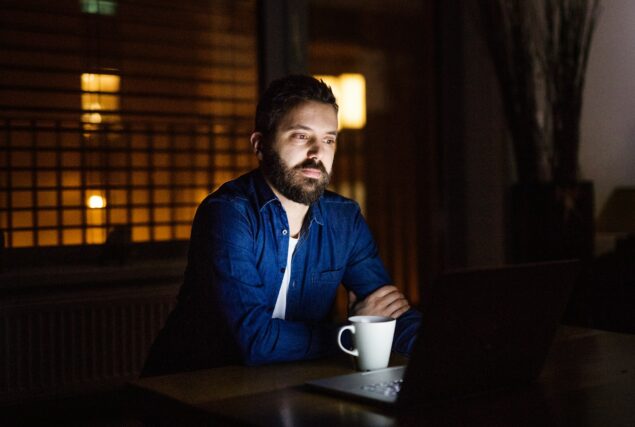
Sometimes sharing secrets online is about testing how strangers will respond. It’s a way of asking, “How would people react if they really knew this about me?” The feedback can be eye-opening. It provides perspective on how your experiences are viewed outside your immediate circle, giving you a fresh lens on yourself.
14. It feels less permanent.
Unlike confessions to family or friends, sharing secrets online can feel fleeting. Posts get buried, chats disappear, and people move on quickly. That impermanence gives a sense of freedom. People can share deeply without feeling that their secret will follow them forever in their real-world relationships.
The internet may not always be the safest place, but it has become a surprising outlet for honesty. Sharing secrets with strangers online shows how deeply people crave understanding, connection, and release, even when it comes from someone they will never meet.