The old-school “because I said so” style of parenting just doesn’t fly anymore.

More and more parents are stepping back and asking themselves whether punishments like time-outs, shouting, or taking things away are actually helping, or just teaching fear. That’s not to say that kids should be allowed to do whatever they want, or that their actions shouldn’t have consequences. Instead, it’s all about recognising that connection tends to go further than control. Here’s why so many parents are rethinking punishment today, and what they’re choosing to do instead.
1. They’re seeing how punishment shuts kids down.

Parents are realising that when a child is punished, it doesn’t actually teach much except how to avoid getting in trouble next time. Kids might comply in the short term, but as time goes on, punishment can shut down communication and create shame instead of understanding.
That’s led a lot of parents to look at what’s underneath the behaviour instead. Instead of asking, “How do I stop this?” the question becomes, “What’s this telling me?” That subtle change makes problem-solving possible, rather than just shutting things down with consequences.
2. They’re prioritising long-term emotional health.

More parents are thinking beyond just obedience and focusing on how their kids feel about themselves. Being punished over and over can chip away at a child’s confidence. It teaches them they’re bad when they mess up, instead of showing them how to make things right.
This doesn’t mean raising kids without boundaries. However, it’s important to teach them how to repair, reflect, and regulate. That starts with how adults respond in the hard moments, not just the easy ones. The goal isn’t to scare them into behaving, but to help them understand themselves better.
3. They’re learning about nervous system regulation.

There’s been a huge change in understanding how kids’ nervous systems work. When a child is overwhelmed, punished, or yelled at, their system often goes into shutdown or panic. That makes learning impossible in that moment, even if they’re “listening.”
Instead of punishments, parents are trying to co-regulate: staying calm, helping their child feel safe, and guiding them back to a state where they can actually process what happened. It’s slower and sometimes messier, but it builds trust and teaches kids how to calm themselves over time.
4. They’re realising punishments don’t fix the root cause.

Say a kid keeps hitting or lying or melting down at the same time every day. Punishing them might stop the behaviour for a minute, but it doesn’t address what’s actually causing it. Parents are starting to ask what’s underneath instead of just reacting to what’s on the surface.
That means noticing patterns, stressors, or unmet needs that might be fuelling the behaviour. Is the child overtired? Anxious? Struggling to communicate something? When parents start from curiosity instead of punishment, they often find better answers, and better outcomes.
5. They want kids to feel emotionally safe.
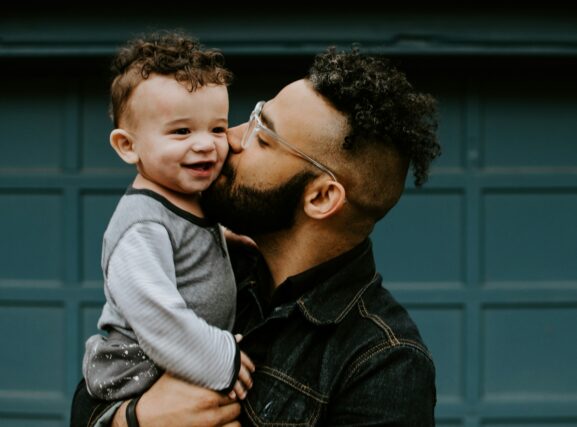
Kids make mistakes. That’s a given. However, if they’re afraid they’ll be yelled at, punished, or shamed, they stop telling the truth. They hide things. And that fear sticks around longer than people realise. A lot of parents today want to break that cycle.
So instead of punishing mistakes, they’re focusing on repair. “How can we fix this together?” or “What do you think we could do differently next time?” Those kinds of conversations build accountability without fear, and that leads to stronger trust in the long run.
6. They’re ditching power struggles.
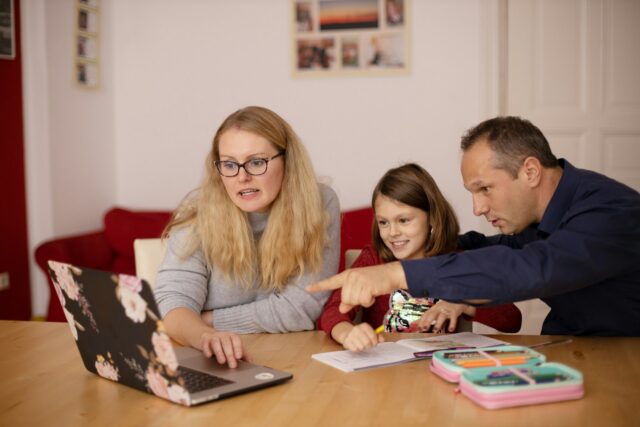
Punishment often creates a battle between adult and child—one that someone “wins” and someone “loses.” But more parents are starting to see that discipline doesn’t have to be a showdown. In fact, the more they resist power struggles, the easier things often get.
Instead of jumping straight to consequences, they’re slowing things down. Connecting first. Trying to understand the feeling behind the behaviour. It might take more emotional effort up front, but it usually leads to fewer blowups in the long run.
7. They want to model emotional intelligence.
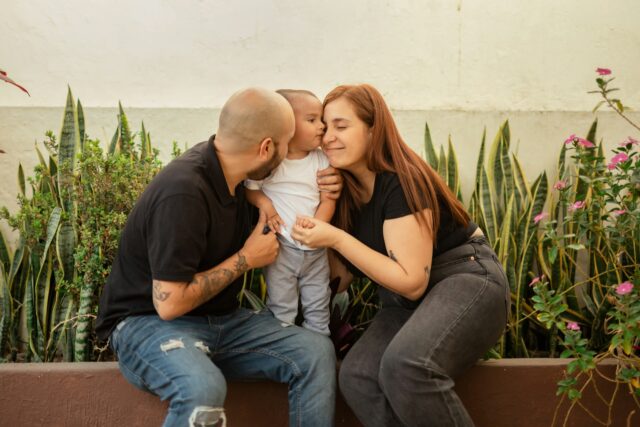
It’s hard to teach a child to handle emotions calmly if you’re always yelling or withdrawing when things go wrong. Parents today are paying more attention to how their own reactions shape what their kids learn about anger, sadness, and frustration.
That doesn’t mean pretending to be calm when you’re not. It means owning your emotions, taking responsibility when you lose it, and showing kids what repair looks like. Modelling emotional honesty, not just control, is a huge part of the move away from punishment.
8. They’re choosing natural consequences over imposed ones.

Instead of reaching for time-outs or taking things away, many parents are using natural consequences, where the outcome is directly connected to the behaviour. If you spill something, you help clean it. If you’re unkind, you help make it right. This approach helps kids connect their actions to real-life outcomes, not just fear-based ones. It also feels less arbitrary. The consequence makes sense, so it teaches something useful instead of just making them feel bad.
9. They’ve seen how punishment breeds resentment.

Even if punishments “work” short-term, they can build up resentment, especially if the child doesn’t fully understand why they’re being punished. That resentment can grow into defiance, dishonesty, or emotional distance. By replacing punishment with connection and collaboration, parents often see more cooperation over time, not because the child’s afraid, but because they feel respected. When kids feel like their voice matters, they’re more likely to listen in return.
10. They’re focusing on skill-building.

Instead of asking, “How do I stop this behaviour?” parents are asking, “What skill is missing here?” Maybe the child doesn’t know how to self-soothe, share, or express their frustration with words. Punishing them for not knowing doesn’t teach them how to do it differently.
This mindset change of seeing misbehaviour as a lack of skill, not a lack of will changes everything. It leads to more support, more coaching, and more patience. Plus, it sets kids up to actually do better next time, not just “behave” out of fear.
11. They want discipline, not domination.

For a long time, discipline was confused with control. However, more parents are starting to reclaim the real meaning of the word, which has more to do with guidance than punishment. They’re not trying to dominate their child’s will. They’re trying to teach them how to use it well.
That means drawing boundaries, yes, but doing it with empathy and consistency. Not through fear, threats, or rewards. It’s a slower kind of leadership, but it tends to raise kids who trust themselves more and feel more connected to the people raising them.
12. They’ve done the inner work.

Many parents now are unpacking the way they were raised and realising just how much of it was based on fear, shame, or control. Instead of repeating that cycle, they’re trying to do things differently, even if it’s uncomfortable at first.
They’re asking themselves, “Did that actually help me grow, or did it just make me afraid of messing up?” That kind of reflection doesn’t mean throwing out all structure. It just means building a more thoughtful version of it. One that doesn’t rely on fear to function.
13. They know connection builds cooperation.

At the end of the day, connection tends to go further than control. Kids who feel seen, heard, and understood are way more likely to listen, try again, and come back after a mistake. That’s what a lot of modern parenting is aiming for, not perfection, but connection.
It doesn’t mean every moment is gentle or easy. It means leading with respect, even when you’re setting limits. After all, kids don’t need to be afraid of you to learn from you. They just need to feel like you’re on their side, even when things go wrong.