
Your childhood memories are basically fiction disguised as facts, and the stories you tell about growing up say more about who you are now than what actually happened back then. Your brain has been quietly rewriting your past for decades, creating a version of your childhood that feels completely real but bears little resemblance to what anyone else who was there would remember.
1. Your brain fills in massive gaps with completely made-up details.
Most of your childhood is completely gone from your memory, so your brain creates plausible stories to fill the empty spaces. You “remember” conversations, feelings, and events that never happened because your mind can’t tolerate having huge blank periods in your personal history.
Question the vivid details in your oldest memories – they’re probably the least reliable parts. The more specific and movie-like a childhood memory feels, the more likely your brain has embellished or completely fabricated those elements.
2. Family stories become your memories even when you weren’t there.
You’ve heard the story about your first steps or that funny thing you said when you were three so many times that you genuinely believe you remember it happening. Your brain has converted other people’s stories about you into first-person memories that feel completely authentic.
Separate what you actually remember from what you’ve been told happened by asking yourself if you can recall details that wouldn’t have been included in family retellings. If the memory feels like a story someone would tell at dinner, it probably is.
3. Current emotions recolour past experiences.
If you’re angry with your parents now, your childhood memories will be darker and more negative than they were last year when you got along better. Your brain adjusts the emotional tone of your past to match your present feelings, making your history feel consistent with your current relationships.
Notice how your childhood memories change depending on your current mood and relationships. The same events can feel traumatic or harmless, depending on whether you’re having a good or bad week with family members.
4. You remember what you think you should remember.
Your brain edits childhood memories to match what you believe about yourself and your family. If you see yourself as resilient, you’ll remember being tougher as a kid. If your family values academic achievement, you’ll remember caring more about grades than you probably did.
Consider whether your childhood memories conveniently support your current identity and values. Real childhood experiences were probably messier and more contradictory than your cleaned-up version suggests.
5. Trauma memories are especially unreliable.
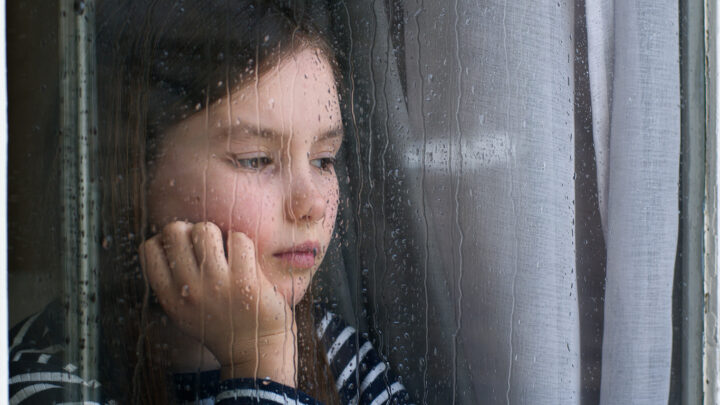
Your brain handles traumatic childhood experiences in weird ways that make those memories particularly untrustworthy. Details get mixed up, timelines become confused, and your mind sometimes creates false memories of trauma that feels completely real and devastating.
Be cautious about building your entire identity around traumatic childhood memories, especially ones that suddenly surface or feel extremely vivid. Trauma affects memory formation in ways that make accuracy nearly impossible to determine.
6. You unconsciously steal memories from siblings and friends.
That embarrassing thing that happened at your birthday party might have actually happened to your sister, but your brain has claimed it as your own experience. You absorb stories and experiences from people close to you and reprocess them as your own memories without realising it.
Cross-check your childhood memories with siblings or childhood friends when possible. You might discover that some of your most vivid memories actually belong to someone else entirely.
7. Photos and videos create false memories.
Looking at childhood photos tricks your brain into thinking you remember the moment, when you’re actually just remembering the picture. Your brain builds detailed false memories around static images, creating rich experiences that never happened the way you remember them.
Distinguish between remembering an experience and remembering a photo of an experience. Most of your early childhood “memories” are probably just your brain’s interpretation of visual evidence, rather than actual recollections.
8. Your adult perspective changes what childhood events meant.
Things that felt massive and important when you were seven seem trivial now, while stuff you barely noticed as a kid takes on huge importance with adult understanding. Your brain reinterprets childhood experiences through your current knowledge and perspective, completely changing their meaning.
Remember that your childhood self had different priorities, fears, and understanding than you do now. What feels like obvious neglect or trauma to your adult brain might have been barely noticeable to your child self.
9. Repeated storytelling distorts memories beyond recognition.
Every time you tell a childhood story, your brain slightly alters the details to make it more interesting, dramatic, or coherent. After years of retelling, your memories have evolved into polished narratives that are more entertaining than accurate.
Notice which childhood stories you tell most often, and consider whether they’ve got more dramatic or detailed over time. The stories you repeat most are probably the least reliable because they’ve been edited so many times.
10. Your brain merges separate incidents into single memories.
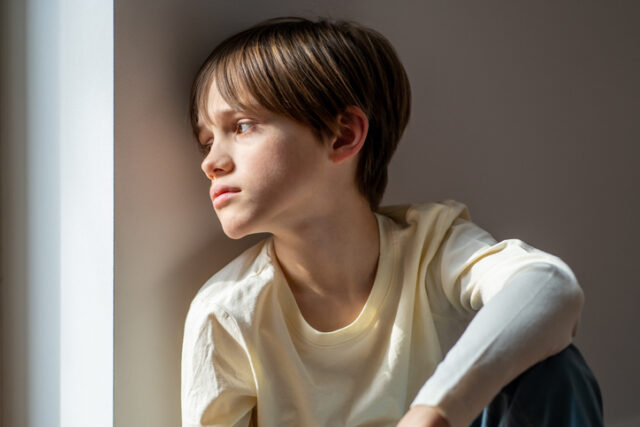
Multiple similar childhood experiences get compressed into one composite memory that feels like it happened exactly once. All those times your dad lost his temper blend into one vivid memory of him being angry, making him seem more consistently explosive than he actually was.
Question whether dramatic childhood memories represent single incidents or patterns of behaviour that your brain has collapsed into one representative example. This compression makes parents and situations seem more extreme than they probably were.
11. Emotional intensity creates false confidence in accuracy.
The more emotional a childhood memory feels, the more convinced you are that it’s accurate, but intense emotions actually make memories less reliable, not more. Your brain mistakes emotional vividness for factual accuracy, making traumatic or deeply happy memories feel unquestionably true.
Don’t trust childhood memories more just because they feel emotionally powerful. Strong feelings about a memory don’t make it more accurate – they often make it more distorted and unreliable.
12. Social expectations shape what you remember.
You unconsciously adjust childhood memories to fit cultural narratives about family, childhood, and personal growth. If society says childhood trauma explains adult problems, you’ll find traumatic memories. If happy childhoods are valued, you’ll remember more positive experiences.
Consider whether your childhood memories fit too neatly into popular psychological or cultural narratives. Real childhood experiences were probably more random and less thematically coherent than your edited version suggests.
13. Time compression makes everything seem more intense.
Your brain remembers childhood as a series of vivid highlights, with all the boring daily life edited out. This makes your past seem more dramatic and eventful than it actually was because you’ve forgotten all the ordinary moments that made up most of your experience.
Remember that childhood was mostly routine and ordinary, just like adulthood. The dramatic memories that stand out are exceptions, not representative of what your daily experience was actually like growing up.