It’s easy to look at someone’s tattoos and make an assumption about the type of person they are.

Tattoos used to carry all sorts of assumptions, from rebellion and recklessness to a rough past. These days, though, ink is far more than body art; it’s personal history, self-expression, and sometimes even healing etched into skin. However, despite how common tattoos have become, plenty of people still make snap judgements the moment they see one.
What many forget is that tattoos often tell stories you’ll never fully know. They can mark grief, growth, recovery, or a moment of freedom someone desperately needed. Judging them on sight says more about your own biases than it does about the person wearing the ink.
Before jumping to conclusions, it’s worth remembering that tattoos aren’t always loud statements. Sometimes they’re just little reminders of survival, identity, or love. Here’s why you should stop yourself before assuming you understand what someone’s tattoos really mean.
You have no idea what it represents.

That tattoo you’re side-eyeing might be covering a scar from surgery or an accident, or it could mark the date someone they loved passed away. What looks random or ugly to you might be carrying more weight than you’d ever guess.
Before you form an opinion, remember there’s almost always a backstory you’re not seeing. People don’t usually get permanently inked for shallow reasons, so your quick judgement says more about you than them.
Taste is completely subjective.
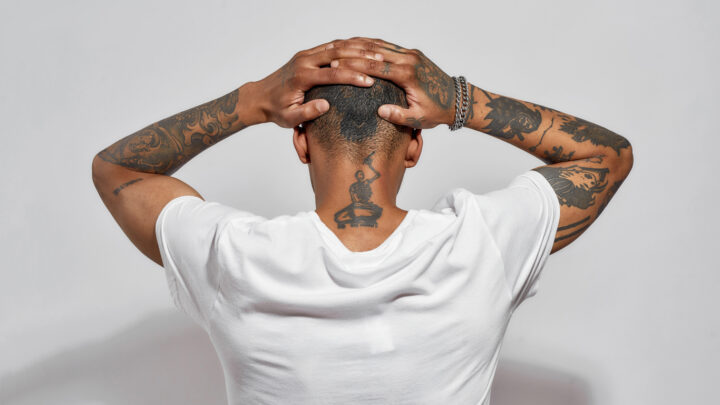
You might think their tattoo looks awful or tacky, but someone else genuinely loves it, and that’s all that matters. What you find beautiful might look boring or overdone to them, and neither of you is actually right or wrong.
Art preferences differ massively between people, and tattoos are just permanent art on skin. Your taste doesn’t get to be the standard everyone else should follow, so there’s no point treating it like it does.
It might mark a huge life moment.

People get tattoos to commemorate beating cancer, surviving abuse, getting through rehab, or finally leaving a toxic situation. That symbol you’re judging could represent the hardest thing they’ve ever done and come out the other side of.
These tattoos are like badges of survival rather than fashion choices. When you dismiss them as stupid or attention-seeking, you’re completely missing what they actually mean to the person wearing them.
Their body isn’t your business.

Someone else’s tattoo doesn’t affect your life in any way, so getting worked up about it is a waste of your energy. They’re not asking for your approval or input, and they don’t need it to feel good about their choice.
The urge to comment usually comes from thinking your opinion matters more than it does. Learning to keep your thoughts to yourself about other people’s bodies is just basic respect and costs you nothing.
You’re assuming things about their character.

Seeing tattoos and immediately thinking someone’s unprofessional, irresponsible, or dodgy is pure prejudice based on outdated stereotypes. Plenty of tattooed people are doctors, teachers, parents, and generally sound individuals doing well in life.
When you judge character based on ink, you’re cutting yourself off from getting to know people who might actually be brilliant. You end up looking narrow-minded while they carry on living their life unbothered.
It could be cultural or religious.

Some tattoos have deep cultural significance or religious meaning that goes back centuries in certain communities. What you’re reading as a fashion statement might actually be tied to someone’s heritage, beliefs, or traditions you know nothing about.
Making snap judgements about cultural tattoos shows ignorance more than anything else. If you don’t understand the context, it’s better to stay curious rather than critical and maybe learn something new.
People change and grow.

That tattoo they got at 18 doesn’t define who they are at 35, but removing it is expensive, painful, and not always possible. They might not even like it anymore themselves, but they’ve made peace with it being part of their history.
Holding someone’s old tattoo against them ignores the fact that everyone changes as time goes on. You’ve probably got things in your past you’d change too, they’re just not permanently visible on your skin.
It might honour someone they lost.

Loads of people get tattoos as a way to keep someone’s memory close after they’ve died. That portrait or name you think looks naff could be how they’re coping with grief and feeling connected to a person who meant everything to them.
Grief tattoos aren’t about looking cool or impressing anyone. They’re deeply personal, and commenting negatively on them is pretty heartless, even if you didn’t know the significance when you opened your mouth.
You’re projecting your own insecurities.

Sometimes the judgement comes from your own discomfort or regret about not doing something yourself. Maybe you’re jealous of their confidence, or you’re bitter about playing it safe, and that’s coming out as criticism of their choices.
When you feel the need to tear someone down for their tattoos, it’s worth asking what’s really bothering you. Usually, it’s got nothing to do with them and everything to do with something you’re not addressing in yourself.
It doesn’t affect their abilities.

Someone’s tattoos tell you absolutely nothing about whether they’re good at their job, kind to other people, reliable, or talented. You can’t judge competence or character based on whether someone’s got ink, yet people do it constantly without thinking.
Plenty of incredible professionals have full sleeves or neck tattoos, and they’re still brilliant at what they do. If you’re writing people off based on appearance, you’re missing out on connecting with genuinely capable people.
They might be reclaiming their body.

For some people, getting tattooed is about taking ownership of their body after trauma, illness, or years of feeling disconnected from themselves. It’s a way of saying this body is mine, and I get to decide what goes on it.
That act of reclaiming can be incredibly healing and empowering for someone who’s been through hell. Your judgement of their choice completely misses the therapeutic value it holds for them personally.
You don’t know their full story.

Every tattoo has a reason behind it, even if that reason is just that they liked the design and wanted it. You’re seeing a tiny snapshot of someone’s life and filling in the gaps with assumptions that are probably miles off.
Instead of deciding you know what their tattoos say about them, consider that you’re working with incomplete information. People are far more complex than the permanent art on their skin suggests at first glance.
It’s their form of self-expression.

Some people express themselves through clothes, others through tattoos, and both are valid ways of showing the world who you are. Just because you wouldn’t choose that method doesn’t make it wrong or worthy of criticism.
Self-expression looks different for everyone, and that’s what makes people interesting. When you judge someone’s tattoos, you’re basically saying your way of being in the world is the only acceptable one, which is pretty limiting for everyone involved.