Faith can be one of the strongest bonds in a marriage.

However, when one partner believes and the other doesn’t, it can create tensions you didn’t expect. You might not have any major blow-ups over, it, but the small differences can still build up as time goes on. Here are some of the possible consequences of marrying a non-believer when you’re a believer yourself. You may want to think twice before saying, “I do.”
1. Your values may clash more often.
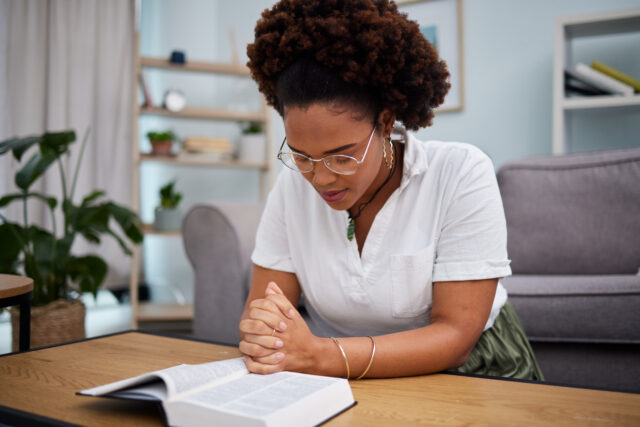
Shared values usually make decision-making easier, but if faith shapes yours and not theirs, clashes can happen quickly. What feels natural to you may feel unnecessary or even strange to them. These differences show up in daily life, whether it’s about how you spend your time, who you listen to for guidance, or what matters most when making choices. It can leave you both frustrated when neither side feels fully understood.
2. Important celebrations feel different.

Holidays or faith-based traditions hold deep meaning for you, but for your partner, they might just be another day. That can sting when you want to celebrate something that feels sacred, and they don’t share the same enthusiasm. Even if they go along with the traditions out of love, the lack of personal connection can leave you feeling like you’re celebrating alone. In the long run, that gap becomes harder to ignore.
3. Raising children becomes more complicated.

One of the biggest challenges comes when you think about how to raise children. You might want them to know your faith, while your partner might prefer a neutral or secular approach. Because parenting already brings enough tough decisions, this difference can spark ongoing debates. It can also leave the children caught between two very different perspectives, which can create confusion for them.
4. Moral choices feel divided.
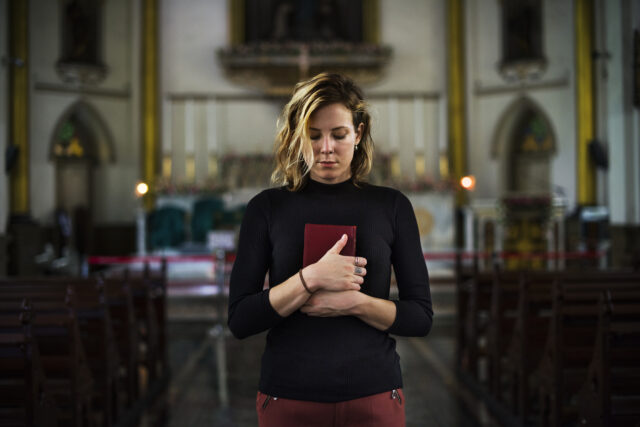
Faith often guides how you decide what’s right or wrong, but your partner may rely on logic or personal opinion instead. When big moral questions come up, you may find yourselves approaching them from completely different angles. This can make it difficult to agree on important issues because you’re not starting from the same foundation. That divide can sometimes feel bigger than either of you expected when you first got married.
5. You may feel spiritually lonely.
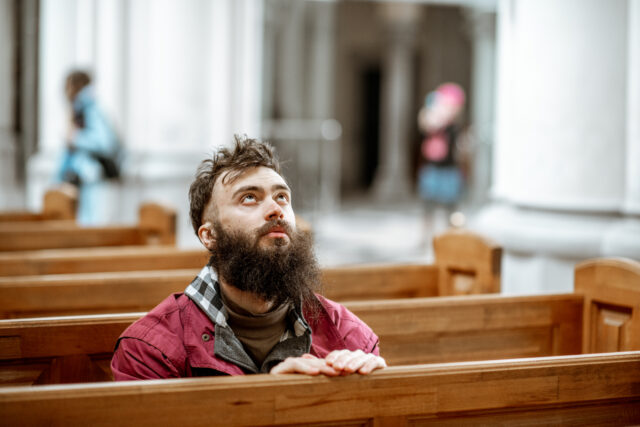
One of the hardest parts is realising that your partner can’t really share in the most important part of your inner life. You might want to pray together, attend services, or simply talk about faith, but they don’t connect in the same way. That absence can make you feel spiritually isolated, even in a marriage that looks strong from the outside. It’s not always about conflict, sometimes it’s about missing a kind of closeness that isn’t possible between you.
6. Respect for your faith might waver.
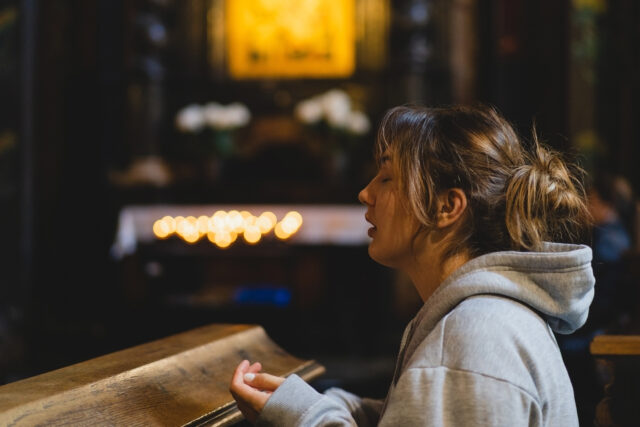
At first, your partner might be supportive of your beliefs, but after a while, their lack of connection to it can turn into subtle dismissiveness. They may not mean to, but the little jokes or dismissals can cut deep. That lack of respect can create distance because faith is tied so closely to identity. When it’s minimised, it feels like a part of you is being brushed aside too.
7. Arguments can get personal fast.
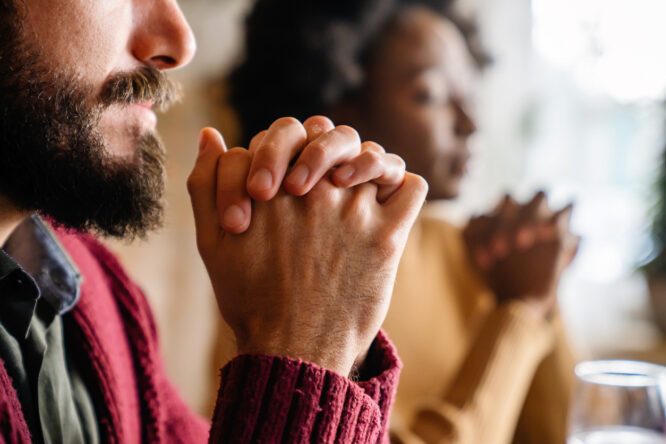
Every couple argues, but when faith enters the mix, disagreements can hit a nerve. You may feel like they’re criticising more than a choice. They’re criticising your whole belief system. Because faith runs so deep, these arguments are harder to move on from. Words said in anger about religion often leave a lasting mark that’s not easily forgotten.
8. Social circles can drift apart.
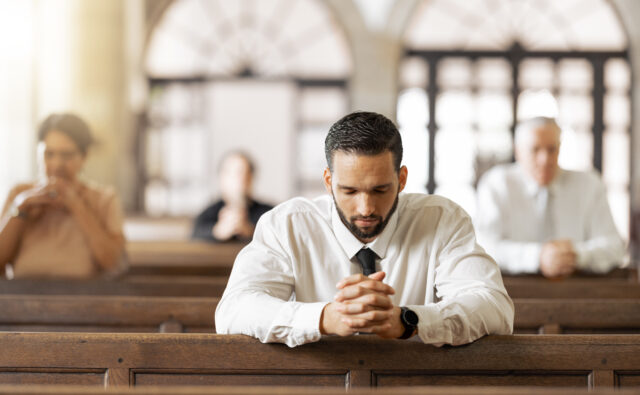
Your community may centre around your faith, while your partner may prefer spending time in completely different groups. That can create a natural separation in who you socialise with and how you spend your weekends. As time goes on, it may feel like you’re living in two worlds that don’t often meet. It takes extra effort to bridge that gap, and sometimes, the strain shows.
9. Future plans may feel uncertain.

Whether it’s deciding where to live, how to spend money, or what kind of legacy you want to leave, faith often shapes the bigger picture. Without it, your partner may have a completely different vision for the future. This can leave you questioning whether your paths are aligned long-term. Even if you love each other, the uncertainty can hang over your plans.
10. Family approval may be harder to gain.
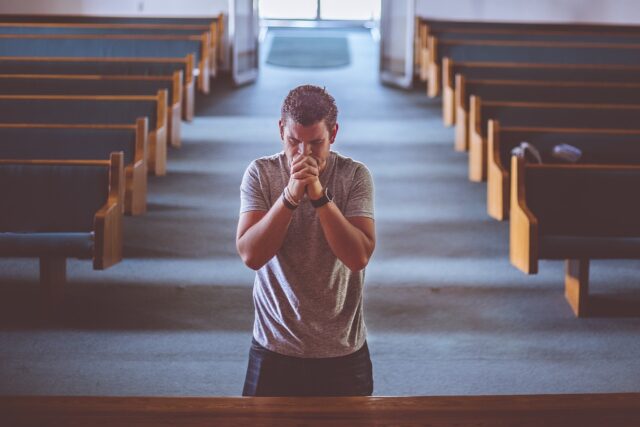
If your family is deeply rooted in faith, they may struggle to accept a partner who doesn’t share it. This can cause tension not just between you and your family, but also between them and your spouse. The strain can spill into gatherings and milestones, where differences become harder to gloss over. It’s not always fair, but it can be a reality you both have to navigate.
11. Everyday choices can become debates.
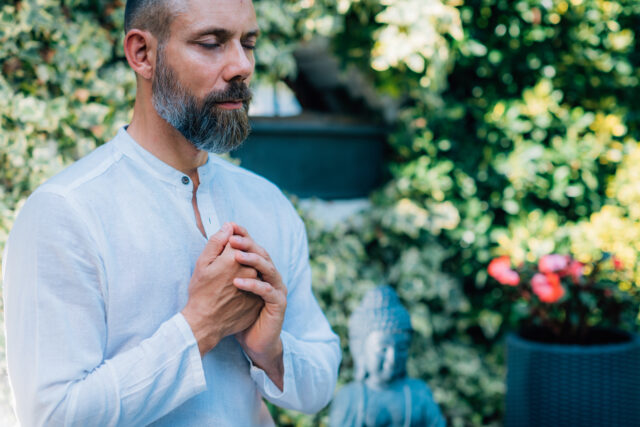
Things as simple as what food to eat, how to spend Sundays, or whether to support certain causes can become points of friction. Faith colours even the little choices, which means differences pop up more often than you expect. While you may find compromises, the frequency of these debates can wear you down. What starts as small can slowly grow into something bigger over time.
12. You might feel torn between loyalty and faith.

At times, you may feel caught between staying true to your beliefs and keeping harmony in your marriage. It’s a pull that can leave you feeling guilty, no matter what choice you make. Balancing both isn’t impossible, but it does require constant effort. That inner conflict is one of the most draining parts of marrying outside your faith.
13. Compromise becomes your default setting.

To keep peace, you may find yourself giving up more than you intended. Whether it’s skipping a service, softening your beliefs in conversation, or letting go of traditions, compromise becomes the easy path. However, too much compromise can make you feel like you’re losing yourself. What once felt like love now risks turning into self-erasure, which can cause deep resentment.
14. Your faith may grow stronger, or weaker.
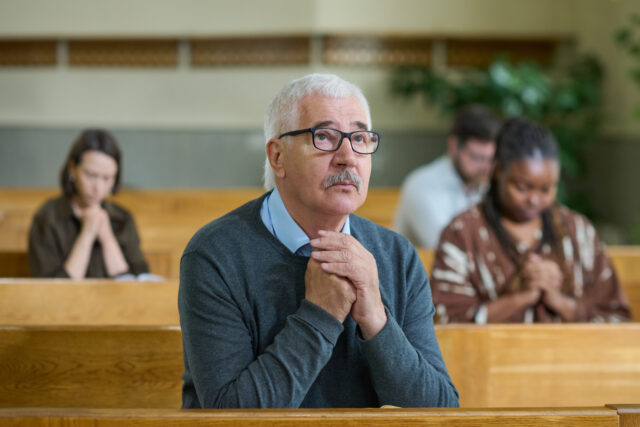
Being married to a non-believer can either push you to hold even tighter to your faith, or it can slowly wear it down. The influence goes both ways, depending on how much support or resistance you feel at home. That change often happens gradually, but it shapes your sense of identity in big ways. Whether it strengthens you or challenges you, the experience changes your relationship with faith itself.