If you’ve ever felt overwhelmed by the most basic surroundings, this one’s for you.

Your brain feels like it’s being attacked by fluorescent lights, the sound of people chewing makes you want to scream, and crowded places leave you completely drained. It might seem a bit over-the-top, but really, it’s sensory overload, and it happens to lots of people who aren’t autistic. You don’t have to be formally diagnosed with a neurodivergent condition to experience this phenomenon, and if these things sound familiar to you, you’re living proof.
1. Busy restaurants can feel like torture chambers.

The combination of clinking dishes, overlapping conversations, bright lights, and strong food smells creates a perfect storm that overwhelms your nervous system. What feels lively and energetic to other people feels chaotic and unbearable to you. You might find yourself getting anxious or irritable in places that other people love, and you probably make excuses to avoid certain restaurants or social gatherings because the sensory input is just too much to handle.
2. Certain fabrics feel like sandpaper on your skin.

Wool jumpers, scratchy tags, or tight clothing can ruin your entire day because your skin processes texture differently than other people’s does. You’re not being picky about clothes. Instead, your nervous system genuinely can’t filter out these sensations. You probably have very specific preferences about clothing materials and fits, and people might think you’re high-maintenance, when really you’re just trying to avoid feeling uncomfortable in your own skin all day.
3. Fluorescent lights make you feel sick.
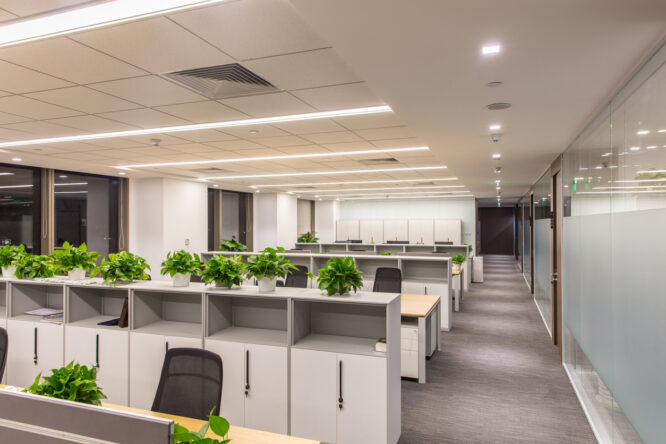
The flickering and buzzing of fluorescent lighting can trigger headaches, nausea, and anxiety because your brain processes that rapid light cycling as a constant low-level threat. Office buildings and stores become endurance tests rather than normal environments. You might not even realise why certain places make you feel terrible until you notice the lighting situation. The constant flicker affects your nervous system even when you’re not consciously aware of it happening.
4. You can hear everything all at once.

While other people can tune out background noise and focus on conversations, you hear the air conditioning, traffic outside, people typing, and every other sound layer simultaneously. Your brain doesn’t automatically filter out irrelevant noises like most people’s do.
This makes concentrating in open offices or busy cafes nearly impossible because you’re processing every sound equally, rather than being able to push background noise into the background where it belongs.
5. Strong smells knock you sideways.

Perfumes, cleaning products, or food odours can trigger immediate nausea or headaches because your smell processing is more sensitive than average. What’s barely noticeable to other people feels overwhelming and sometimes physically painful to you.
You might have to leave stores or avoid certain areas because the smell is genuinely unbearable, and people probably think you’re being dramatic when you’re actually having a physical reaction you can’t control.
6. Crowds drain your energy completely.

Being around lots of people isn’t just socially tiring for you, it’s sensory exhausting because you’re processing everyone’s movements, voices, smells, and energy simultaneously. Your nervous system treats crowds like overwhelming sensory environments rather than just social situations.
You need serious recovery time after being in crowded places, not because you’re introverted, but because your brain has been working overtime to process all that sensory input without any natural filtering.
7. Unexpected touches make you jump out of your skin.

Light touches, taps on the shoulder, or surprise hugs can feel startling or uncomfortable because your nervous system processes touch more intensely than other people do. That doesn’t mean you don’t like affection. It’s that your brain handles physical contact a bit differently. You probably prefer to initiate physical contact yourself rather than being surprised by it, and people might think you’re standoffish, when really you just need to prepare for touch to feel comfortable.
8. Multi-tasking becomes impossible when your senses are overwhelmed.

When there’s too much sensory input happening, your brain can’t handle additional cognitive tasks like following conversations or making decisions. The sensory processing takes up so much mental energy that other functions start shutting down. It might look like you’re not paying attention or being rude, but really your brain is using all its resources to manage the sensory environment and doesn’t have capacity left for complex thinking.
9. You need specific environments to feel calm.

Dim lighting, quiet spaces, soft textures, and minimal visual clutter aren’t just preferences for you—they’re necessities for your nervous system to function properly. You probably have very specific requirements for your living and working spaces. Other people might think you’re being controlling about your environment, but these adjustments are actually accommodations that help your brain process information without becoming overwhelmed by sensory input.
10. Stress makes sensory sensitivity much worse.

When you’re already anxious or tired, normal sounds and sensations become unbearable because your nervous system doesn’t have the resources to filter sensory input effectively. What you can usually tolerate becomes completely overwhelming when you’re stressed.
This creates a cycle where sensory overload increases stress, which makes you more sensitive to sensory input, which increases stress further. Breaking the cycle requires managing both the sensory environment and your overall stress levels.
11. You’ve learned to avoid certain situations entirely.

You probably turn down invitations or make excuses to avoid places and events that you know will be sensory nightmares. It’s not antisocial behaviour; it’s self-protection based on knowing what your nervous system can and can’t handle. People might think you’re flaky or difficult, but really you’re making smart choices about preserving your mental energy and avoiding situations that would leave you completely depleted for days afterward.
12. Recovery time is non-negotiable.

After sensory overload, you need quiet, dim, calm environments to let your nervous system reset. It’s not optional downtime; it’s necessary recovery that allows your brain to process and integrate all the sensory information it’s been bombarded with. You might need hours or even days to feel normal again after intense sensory experiences, and that recovery time is just as important as the initial accommodation of avoiding overwhelming environments when possible.
13. It’s more common than people realise.

Sensory processing differences affect lots of adults who aren’t autistic, including people with ADHD, anxiety, trauma histories, or just naturally sensitive nervous systems. You’re not broken or weird. Your brain just processes sensory information differently than the average person’s does.
Understanding that this is a real neurological difference rather than a character flaw can help you advocate for your needs and create environments where you can actually function comfortably instead of constantly fighting your own nervous system.