Most people assume their political views come from logic, education, or life experience, but the roots often go much deeper.
The way you were raised, how safe or unsafe you felt as a child, and the messages you absorbed about trust, authority, and fairness all shape how you see the world as an adult. Childhood doesn’t just influence who you become personally; it certainly informs how you think society should work, too.
Whether it’s a belief in strict rules or a need for fairness and protection, early experiences can lay the foundation for how you respond to politics later on. It’s not about party loyalty so much as emotional wiring. We’re talking about the lessons learned from growing up in fear, control, or instability often echo through your values, voting patterns, and the kind of world you think people deserve to live in.
Feeling unsafe can make you value strong authority.

Children who grew up in unstable or dangerous homes often crave safety above all else. That can lead them to support stricter rules, strong leaders, or tough laws that make the world feel more predictable and under control. It’s not loving control for its own sake, but about wanting protection. When safety was missing in childhood, structure can feel comforting in adulthood, even if it limits personal freedom.
Having neglectful parents can make you distrust systems.
If no one looked out for you when you were young, you might grow up expecting the same from governments or institutions. That sense of “no one really cares” can make you question authority or prefer political movements that promise independence. People with these experiences often lean towards ideas that focus on self-reliance and personal freedom. Trust has to be earned, and they don’t give it easily, not even to those in charge.
Strict or punishing homes can shape black-and-white thinking.
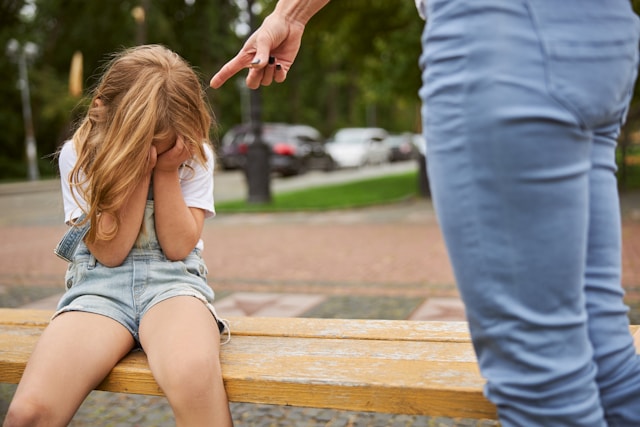
When you grow up under harsh discipline, you learn that right and wrong are clear and that mistakes lead to punishment. This mindset can carry into adulthood and show up as a preference for firm laws and clear moral rules. It can also create less patience for grey areas in politics. Someone raised this way might see compromise as weakness rather than progress, simply because that’s how power worked in their family.
Growing up loved and supported can lead to compassion-based politics.
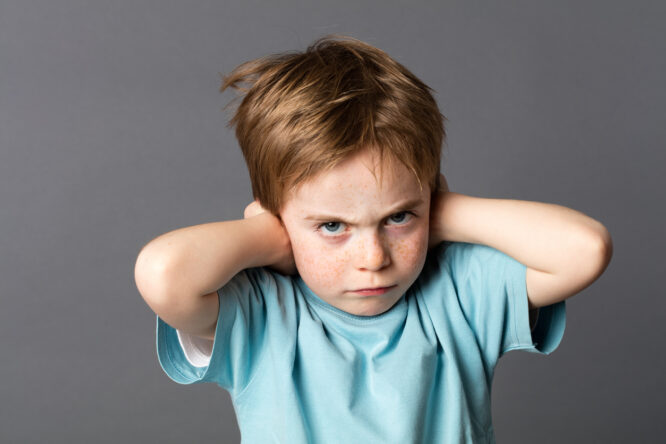
Children who felt seen and cared for often believe the world should work that way, too. They’re more likely to back social policies that protect the vulnerable or lift other people up because kindness feels normal to them. Studies show that people raised with empathy and fairness are often drawn to movements focused on equality, support, and shared responsibility. It’s an emotional echo of the care they received early on.
Exposure to fear can create defensive worldviews.

Children raised around constant fear, whether from violence, addiction, or chaos, often grow into adults who see danger everywhere. They might support stricter policing, immigration controls, or military power to stop threats before they happen. This outlook isn’t rooted in hate but in self-protection. The world feels dangerous because it once was, and safety becomes more important than openness or trust.
Witnessing unfairness early can shape your sense of justice.

People who saw loved ones treated unfairly as kids often grow up fighting for fairness in adulthood. That can push them towards social justice movements, unions, or equality-driven parties that promise to balance the scales. These beliefs come from lived pain rather than ideology. When you’ve seen what happens without fairness, you naturally want systems that protect against it.
Being silenced as a child can make you value freedom of speech.
Kids who were never allowed to speak up often grow into adults who fight for their right to express themselves. They may back political ideas that focus on individual rights, open debate, and protection from censorship. That desire comes from a deep need to be heard. When your voice was once ignored, free speech becomes more than a political issue. In fact, it feels personal.
Financial struggle in childhood can shape economic values.
Growing up in poverty can make you sensitive to inequality, or more cautious about money and government spending. Some people support welfare systems because they know what it’s like to need them, while others prefer strict budgeting because scarcity still drives their choices. Both reactions come from the same emotional place: fear of loss and a need for security. Childhood money stress leaves marks that politics often brings back to the surface.
Overprotective parenting can build fear of change.

Children raised in overly controlled environments may grow up uncomfortable with uncertainty. They’re used to stability and rules, so they might resist political movements that promise major change or disrupt familiar systems. That doesn’t mean they’re closed-minded, just cautious. When you’ve been sheltered too much, risk feels bigger than it really is, even in areas like voting or reform.
Emotional neglect can influence empathy levels.

When your emotions were ignored as a child, it’s harder to connect to other people’s feelings later on. That can shape your political beliefs around empathy-based policies like mental health support or social care. People who lacked emotional attention might prefer politics focused on logic, order, or economy rather than compassion. Not because they don’t care, but because caring was never modelled for them.
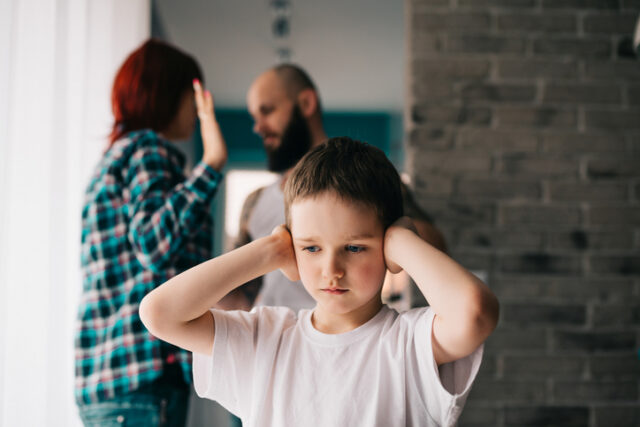
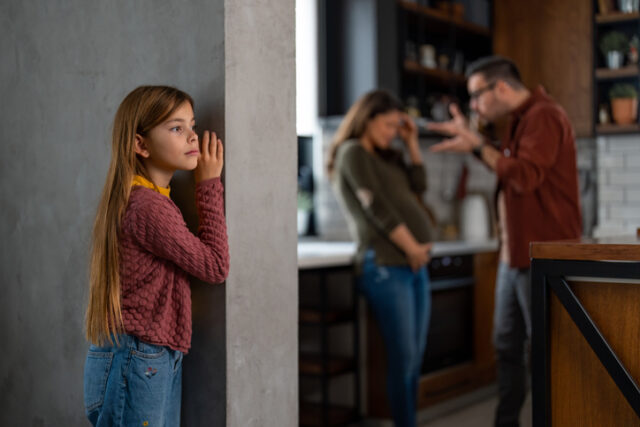
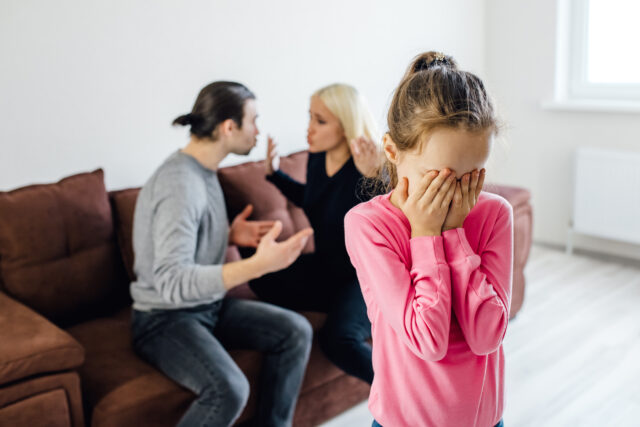
Experiencing family conflict can normalise division.
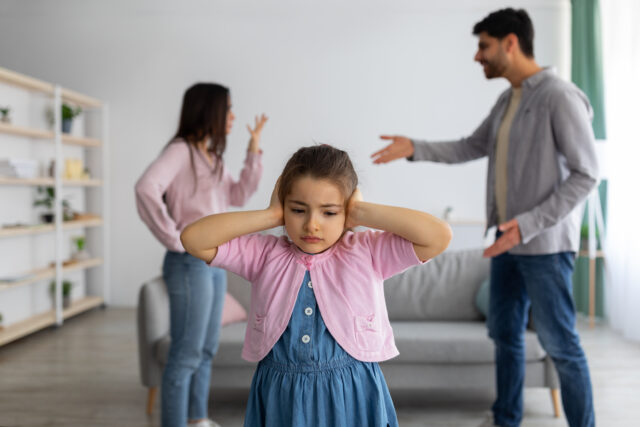
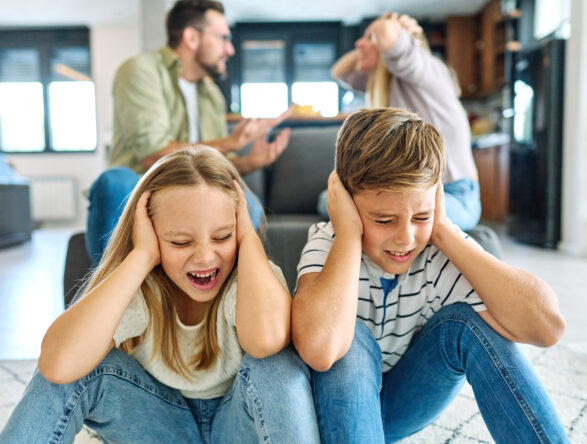
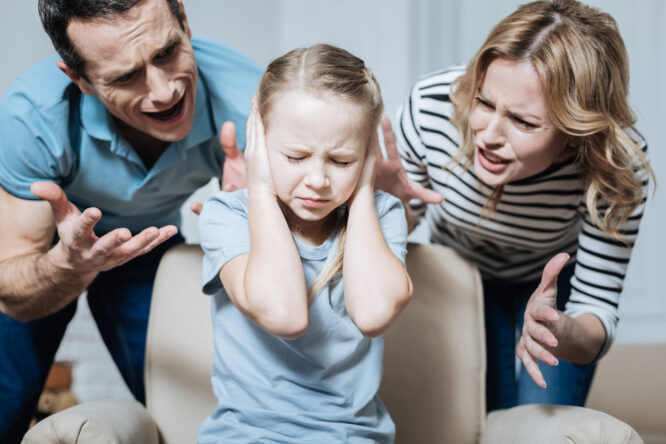
Children who grew up watching adults argue all the time often see conflict as part of normal life. This can make them drawn to strong, argumentative leaders or divisive political styles that mirror the chaos they’re used to. It can also make them more accepting of harsh rhetoric, since raised voices once felt familiar, even if they were painful. Political shouting matches can seem like home rather than warning signs.
Feeling invisible can drive activism.

Those who grew up feeling unseen often find purpose in standing up for causes. They may feel deeply connected to groups that fight for the overlooked or ignored, whether that’s environmentalism, disability rights, or anti-poverty work. For many, activism becomes a form of healing. It’s a way of finally being part of something that listens, values, and speaks up when they once couldn’t.
Religious upbringings can affect moral priorities.

Growing up in a faith-based home can shape political views around morality, family, and social values. Those lessons can lead some towards conservative beliefs, while others may rebel and lean more liberal later in life. The key factor is how that religion was taught. Strict and fear-based teachings often create rigid adult views, while kind and open ones tend to build more tolerant political stances.
Trauma can make you crave control.
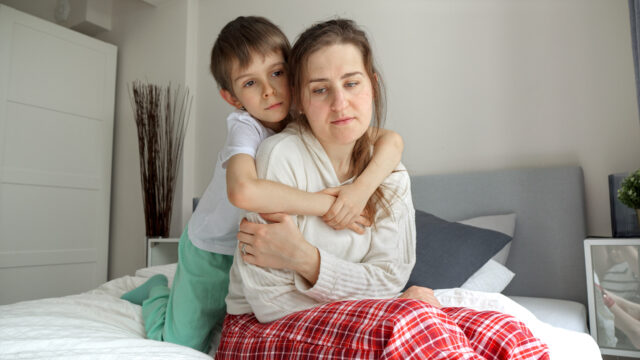
When your childhood felt unpredictable, being in control later on feels safe. That can show up in politics as wanting clear rules, limited government change, or leaders who seem firm and reliable. This type of control isn’t about dominance but reassurance. Chaos was painful once, so predictability becomes a form of protection, even in how people vote.
A loving, stable upbringing often leads to openness.
People raised in calm, supportive homes tend to feel less threatened by difference. They might be more open to immigration, new policies, or social change because their early world felt safe enough to handle it. Researchers have linked this sense of security with curiosity and tolerance. When you didn’t grow up in fear, other people’s ideas feel interesting, not dangerous.
Healing from trauma can change your politics completely.

When people work through their past pain, their political views often change. Once fear stops running the show, it’s easier to see the world from other perspectives and care about things beyond your own safety. That’s why understanding our emotional roots matters. Politics isn’t just about parties or policies. It’s about how safe or threatened our inner child still feels when we look at the world.