We’re all guilty of talking to inanimate objects, whether it’s a plant we’re watering or a car that won’t start.

It’s not a big deal, so long as we don’t expect them to answer back—ha! That being said, there’s actually psychology behind why people treat objects like people, and it’s more relatable than you’d think. While everyone’s aware that a coffee machine or a computer mouse isn’t real, there’s a reason why we still talk to them like they are.
Objects feel less lonely when humanised.
When people are on their own, it can feel comforting to treat objects like they’re alive. Talking to plants or naming a car makes the space feel less empty and more connected. It sounds strange, but it does quell feelings of loneliness, believe it or not. Giving objects personalities fills silence in a friendly way, almost like having company. It helps some people feel less isolated in their everyday routines.
Giving names builds attachment.
Once someone names an object, they naturally start treating it differently. A favourite mug with a nickname feels like more than just ceramic, it becomes a little companion you choose every morning without fail. This naming trick builds emotional attachment, which makes objects harder to replace. If someone loses “Mugsy” or “Bessie the bike,” it feels more personal than losing any other mug or bicycle would.
Talking to objects eases frustration.
Plenty of people mutter at technology when it refuses to cooperate. Shouting at the printer or begging the laptop to load is a way of channelling irritation into something less damaging than yelling at a person. This habit works like a pressure release. It helps people blow off steam without escalating into fights with other people. In a sense, the object becomes a safe target for venting emotional frustration.
Objects become stand-ins for memories.
Old toys, worn books, or a piece of furniture from childhood can feel alive because of the memories attached. People often treat these items with extra care, as if protecting part of their story. Having that attachment helps preserve emotional continuity. By caring for the object, people feel they’re holding on to the past. It’s not the object itself that matters, but the sense of history it carries forward.
Anthropomorphism sparks empathy practice.

When someone treats an object as if it has feelings, they’re essentially practising empathy. Checking if a teddy bear is comfortable in bed reflects how easily the human brain imagines another perspective. That sort of playful empathy can strengthen emotional awareness. Even though the object isn’t real, the habit of considering “how it feels” can spill over into genuine care for people and living things.
Familiar objects act like social anchors.
Objects people treat like friends often offer a sense of stability. Someone might always take the same water bottle to work because it feels dependable, almost like having a steady companion by their side. Stability like that matters when life feels chaotic. Familiar objects, once humanised, provide grounding. They become little reminders that some things stay constant, which is reassuring when everything else feels unpredictable.
It can reduce stress in uncertain situations.
Before an exam or job interview, people sometimes talk to their pens or lucky charms for reassurance. Treating objects like people becomes a coping tool when nerves are running high and comfort is needed. These moments create ritual and routine. By “trusting” the object, people push some of the pressure away from themselves. It makes stressful challenges feel a bit lighter, even if it’s mostly in their head.
Children learn through object personification.
Kids naturally talk to toys and imagine them alive. This isn’t just play; it’s how they practise conversations, test emotions, and develop a sense of responsibility through make-believe interactions with their stuffed animals or dolls. For adults, it looks like imagination, but for children it’s practice. Treating toys like friends helps them rehearse social skills, understand empathy, and gain confidence in handling relationships as they grow older.
Objects fill emotional gaps.
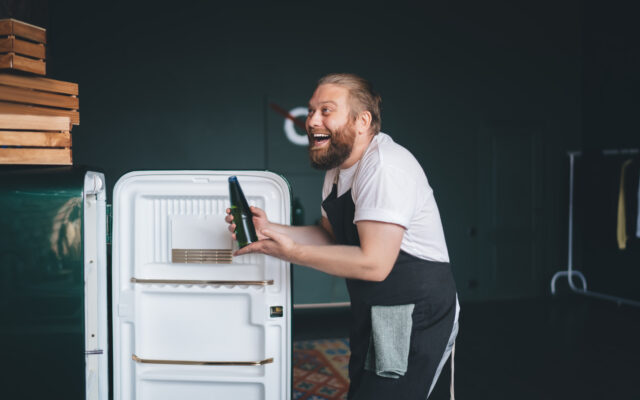
Sometimes people project feelings onto objects when emotional needs aren’t fully met elsewhere. A single person might joke about their fridge “being loyal” because it provides a sense of reliability missing in other areas. That’s not a sign of weakness, by the way. It’s actually a smart way of balancing emotions. Humanising objects bridges emotional gaps, helping people cope with areas of life that feel harder to navigate.
Losing certain objects feels like losing friends.
When a beloved phone breaks or a childhood toy goes missing, the sadness can feel surprisingly heavy. That’s because the object was treated as more than just material; it had a role like a companion. That grief shows how deeply people attach meaning to objects. By treating them as friends, the loss stings in a way other people may not fully understand, but it’s an honest emotional response nonetheless.
It makes routines more engaging.
Simple tasks like cooking or gardening can feel brighter when people talk to the tools they use. Saying “good job” to a pan or coaxing a tomato plant creates a sense of interaction and fun. Playful behaviour transforms chores into more enjoyable experiences. When objects become characters in the day, routines feel less dull and more like part of a conversation, which boosts motivation to keep going.
Humanising objects taps into imagination.
People’s imaginations never really switch off. Treating objects like people is another way that creativity shows up in daily life, blending reality with a playful sense of storytelling that makes the world feel less flat. Instead of everything being purely functional, objects gain quirks and personalities. This imagination makes daily life more colourful. It’s a reminder that creativity isn’t just for artists; it runs through everyday habits too.
It’s ultimately about connection.
At its core, treating objects like people is about wanting to feel connected. Whether it’s naming a car or chatting to the kettle, it’s a simple way to bring warmth into ordinary moments. Connection doesn’t always need another human being present. These habits show that people crave closeness in many forms, and objects often step in to fill that role in small but meaningful ways.