Many of us fear death, but that’s largely because the things we think we know about it aren’t quite right.

Most of what we think we know about dying comes from films or hushed conversations that never quite get to the real stuff. The actual experience is often gentler, stranger, and more human than anyone prepares you for. While it’s impossible to know how we’ll leave this world, there are certain truths that might be comforting to know.
It doesn’t always hurt.

We’ve been taught to expect agony at the end, but that’s not how it usually goes. Many people slip away peacefully, and modern pain relief means suffering isn’t inevitable. The body often shuts down gradually, and you drift more than fight.
When someone’s dying comfortably, they might just seem deeply asleep. You’ll notice their breathing changes, and they’re less aware of what’s around them, but there’s often a calmness that surprises everyone in the room. It’s nothing like the dramatic scenes you’ve seen on telly.
Hearing stays longer than you’d think.

People assume that when someone stops responding, they’ve already gone. But hearing is often the last sense to fade, which means they might catch every word you’re saying even when they can’t open their eyes or squeeze your hand.
Talk to them like they’re still there because they probably are. Share memories, say what you need to say, or just sit quietly if that feels right. You don’t need perfect words, just your presence and honesty in those final hours together.
The death rattle isn’t what it sounds like.

That gurgling sound in the throat can be terrifying if you don’t know what it is. It’s just saliva or mucus pooling because they’ve lost the reflex to swallow. It sounds worse than it feels for them, and it doesn’t mean they’re choking or in distress.
Your instinct might be to panic or try to fix it, but they’re not struggling. Turning them gently on their side sometimes helps, but mainly you just need to know it’s normal. It’s one of those things that’s harder on you than on them.
Dying people often wait for permission.
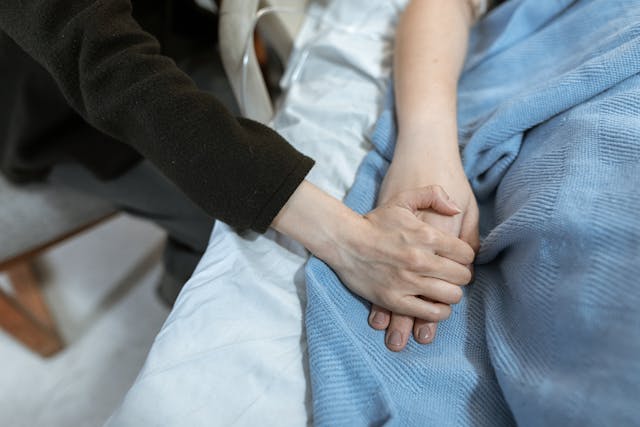
Some people seem to hang on longer than their body should allow, and it’s usually because they’re waiting for something. Maybe they need to hear that you’ll be alright, or they’re holding on until a specific person arrives to say goodbye.
If someone you love is lingering, it’s okay to tell them they can go. Let them know you’ll miss them, but you’ll manage, and that it’s alright to stop fighting. Sometimes that’s the kindest thing you can offer when there’s nothing left to fix.
The rally before death is real.

A day or two before someone dies, they might suddenly seem loads better. They’ll sit up, chat clearly, maybe even ask for a proper meal. It feels like a miracle, but it’s usually the body’s last surge of energy before everything shuts down.
Enjoy that time if it happens, but don’t let it give you false hope. It’s called terminal lucidity, and while it’s a lovely gift, it’s also a sign that the end is very close. Make the most of those hours without expecting them to last.
They might see people who aren’t there.

In the days before death, many people report seeing or talking to relatives who’ve already died. It’s not scary for them—they usually seem comforted or even excited about it. Whether it’s the brain shutting down or something more, it brings them peace.
Don’t try to correct them or bring them back to reality. If your mum’s chatting to her sister who died years ago, just go with it. Ask what they’re talking about, or sit quietly while she enjoys the visit. It’s not confusion that needs fixing.
Breathing changes are the biggest sign.

Forget what you’ve seen in films where someone takes one dramatic last breath. Real dying involves breathing that speeds up, slows down, stops for ages, then starts again. It’s called Cheyne-Stokes breathing, and it means the body’s winding down its most basic functions.
Those pauses between breaths can feel endless when you’re watching. You’ll hold your own breath waiting for the next one, and sometimes it doesn’t come. It’s unsettling but completely normal, and usually means you’re in the final hours or days now.
The body cools from the outside in.

As circulation slows, hands and feet go cold and might look bluish or mottled. It doesn’t mean they’re cold in the way we feel cold;their core temperature is still managing what matters. The body’s just prioritising vital organs as everything else starts to shut down.
You might want to pile on blankets, but they’re often not uncomfortable. A light cover is fine, but don’t worry too much about keeping them warm. Their body’s doing what it needs to do, and they’re not feeling it the way you think.
They might lose interest in everything.

In those final days, people often stop wanting food, water, visitors, or conversation. It’s not depression or giving up; it’s the body naturally preparing to die. Eating and drinking can actually feel uncomfortable when your system’s shutting down, not comforting like it does for us.
Let them lead this bit. Offer small sips or ice chips if they want them, but don’t push. Your presence matters more than whether they’re eating. Sitting together in silence is often exactly what they need, even if it feels like you should be doing more.
The moment of death is often quiet.

There’s no big dramatic exit most of the time. One breath just doesn’t follow the last one, and that’s it. You might not even realise straight away that they’ve gone because it happens so gently. The transition from alive to dead is smaller than you’d imagine.
Sometimes people die the moment you leave the room, which feels gutting but might’ve been their choice. Some folks prefer to slip away alone, without anyone watching. It doesn’t mean you weren’t important. It might mean you were so important they needed to protect you from that final moment.
Bodies change quickly after death.

Within minutes, you’ll notice they look different. The colour drains, features settle, and something indefinable just leaves. It’s obvious they’re not in there anymore, which can be startling but also strangely reassuring. Whatever made them them has definitely gone.
Don’t feel weird about staying with the body for a bit if you want to. Some people need that time to say a proper goodbye, while others need to leave straight away. Both are completely fine, and there’s no right way to handle those first moments after someone dies.
Grief starts before they’re actually gone.

When you know death’s coming, you start grieving while they’re still alive. You’re mourning all the conversations you won’t have, the future that’s disappearing, and the person they used to be before illness changed them. It’s exhausting and confusing to grieve someone who’s still breathing.
This anticipatory grief is normal, but doesn’t make the actual death hurt less. If anything, you might feel gutted twice: once during the slow goodbye, and again when they actually die. Be kind to yourself through both parts because they’re both bloody hard in different ways.
You’ll remember small details forever.

Years later, you won’t remember the medical stuff or most of what people said. You’ll remember weird tiny things, such as the pattern on the hospital curtain, what song was playing, the way afternoon light hit their face. Your brain captures random snapshots when you’re in that heightened emotional state.
Those little details might feel unimportant now, but they become how you hold that time in your memory. Don’t worry if you’re noticing odd things instead of having profound thoughts. That’s just how our minds work when we’re living through something massive we can’t quite process yet.