Most people know social media can mess with their focus or mood, but its effects go much deeper than that.
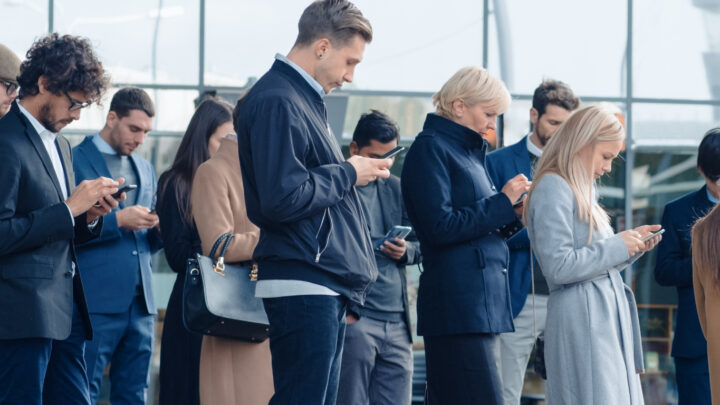
Taking a real break from it, not just cutting back, can completely change how your brain works and how you see yourself. You start thinking in your own voice again, instead of echoing what you’ve seen online. Your attention span sharpens, your emotions level out, and you stop measuring your life against everyone else’s highlight reel. It’s not just about peace of mind; it’s about reclaiming your ability to think, feel, and live without constant digital noise.
Here are some of the benefits you’ll experience by swearing off social media altogether, at least for a little while.
Your attention span actually recovers.

Studies consistently show that constant scrolling rewires your brain for short bursts of attention. Without social media, your ability to focus on single tasks for longer periods starts returning within weeks, like a muscle you’ve finally stopped straining.
You’ll notice you can sit with a book or finish a conversation without that nagging urge to check your phone. Your brain stops expecting constant novelty and remembers how to engage with one thing at a time.
You stop comparing yourself to everyone else all the time.
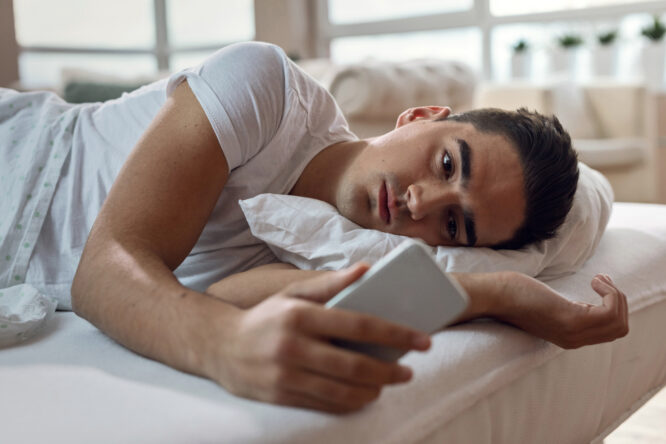
Research links social media use to increased social comparison and lower self-esteem. When you’re not seeing everyone’s highlight reel daily, you stop measuring your ordinary Tuesday against someone else’s curated best moments.
Your baseline mood stabilises because you’re not constantly reminded of what you don’t have. You start judging your life by your own standards, rather than an endless scroll of other people’s achievements and holidays.
Your sleep quality improves dramatically.

Studies find that social media use before bed disrupts sleep patterns through both blue light exposure and mental stimulation. Without late-night scrolling, your brain actually winds down properly, and you fall asleep faster.
You wake up more rested because you’re not lying there for an hour getting worked up about strangers’ opinions or world events you can’t control. Your sleep becomes deeper and less interrupted.
Anxiety levels drop significantly.

There are clear links between social media use and increased anxiety, according to studies. Without the constant stream of news, opinions, and social updates, your nervous system gets a break from low-level stress that had become so normal you stopped noticing it.
You’re not constantly braced for the next terrible headline or feeling obligated to have opinions on everything happening everywhere. Your anxiety shrinks back to things actually within your control and immediate life.
You experience fewer depressive symptoms.

Multiple studies link heavy social media use to increased depression rates. When you step away, you stop absorbing everyone else’s problems and triggering content that keeps your mood low throughout the day.
Your emotional baseline lifts when you step away because you’re not repeatedly exposed to content designed to provoke strong reactions. You stop carrying the weight of strangers’ anger, sadness, and outrage as if it’s your own.
Your real relationships deepen.

Research finds that social media creates the illusion of connection while actually making relationships more superficial. Without it, you start having actual conversations again, rather than just reacting to posts or sending quick comments.
You reach out properly when you wonder how someone’s doing instead of just scrolling their feed. The friendships that matter get stronger because you’re investing real time rather than performative likes.
FOMO practically disappears.

Studies show that social media massively amplifies fear of missing out. When you’re not seeing every party, trip, or experience other people are having, you stop feeling like you’re constantly missing something better happening elsewhere.
You become more present in your actual life because you’re not mentally elsewhere comparing it to everyone else’s plans. What you’re doing feels enough because you’re not being reminded every ten minutes that you could be doing something else.
Your self-image becomes more stable.

Science links social media to body image issues and self-esteem problems, which makes a lot of sense. Without constant exposure to filtered photos and curated lives, you stop viewing yourself through that distorted lens and your self-perception becomes more grounded in reality.
You stop thinking about yourself in terms of how you’d photograph or what caption you’d write. Your sense of self comes from actual experiences rather than how they’d translate to a feed.
You stop doomscrolling.

Studies find that doomscrolling, which means just endlessly consuming negative news, creates persistent low mood and helplessness. Without social media serving up an infinite stream of terrible things happening, your mind stops living in constant crisis mode.
You stay informed without being overwhelmed because you choose what news to consume rather than having your feed algorithmed into showing you the most enraging content. Your mood stops being dictated by whatever’s trending.
Your productivity genuinely increases.

Research shows the average person spends over two hours daily on social media, constantly interrupted by notifications. Without those interruptions, you get into flow states more easily and actually finish things without stopping mid-task to check your phone.
You’re not losing 20 minutes every time you “quickly check” something. Your brain stops treating every task as a jumping-off point for distraction and remembers how to see things through properly.
You feel less mental exhaustion.

There’s a definite link between social media use and mental fatigue from constant context-switching and information overload. Without processing hundreds of disconnected posts daily, your brain has actual energy left for things that matter to you.
You stop feeling drained by dinnertime from doing nothing particularly taxing. Your mental energy goes toward your actual life, rather than being siphoned off by endless scrolling through strangers’ updates and arguments.
Your opinions become properly yours.

Research shows social media creates echo chambers that reinforce existing beliefs while making you feel constantly defensive. Without that environment, you start thinking things through properly rather than just reacting in the moment to align with your side.
You form opinions based on actual reflection instead of whatever your feed is telling you to think. Your views become more nuanced because they’re not being flattened into takes designed for likes.
You reconnect with genuine interests.
Studies find that social media often replaces hobbies and interests with passive consumption. Without it filling every spare moment, you rediscover things you actually enjoy doing rather than just watching other people do things.
You pick up books, go for walks, or work on projects without documenting them for an audience. Your interests become about genuine enjoyment rather than content creation, which makes them satisfying in a completely different way.